
The Nintendo Switch is designed to be portable, flexible, and reliable. However, like any electronic device, it can sometimes refuse to power on, leaving its owner confused and frustrated. When a Switch won’t turn on, it can feel like a serious hardware failure—but in many cases, the solution is surprisingly simple. Understanding the most common causes can help identify whether the problem is minor, battery-related, or something that requires professional repair.
TLDR: If a Nintendo Switch won’t turn on, the issue is often caused by a drained battery, faulty charger, software crash, or hardware malfunction. Performing a hard reset, charging with the official adapter, and checking for physical damage can resolve most problems. If none of these steps work, the device may need professional repair. Acting quickly and methodically increases the chances of a simple fix.
Common Reasons a Nintendo Switch Won’t Turn On
There are several potential explanations when a Switch refuses to power up. Identifying the underlying cause is the first step toward solving the problem.
1. The Battery Is Completely Drained
A fully depleted battery is one of the most common reasons a Switch won’t turn on. If the device has not been used for a long time or was left unplugged after extensive use, the battery may have dropped to zero.
- The screen may remain entirely black.
- No logo appears when pressing the power button.
- The device may not immediately respond to charging.
In such cases, it is recommended to:
- Plug the console directly into the official Nintendo AC adapter.
- Leave it charging for at least 30–60 minutes.
- Attempt to power it on again by holding the power button for 3–5 seconds.
Sometimes, it can take several minutes before the battery indicator appears if the unit was deeply discharged.
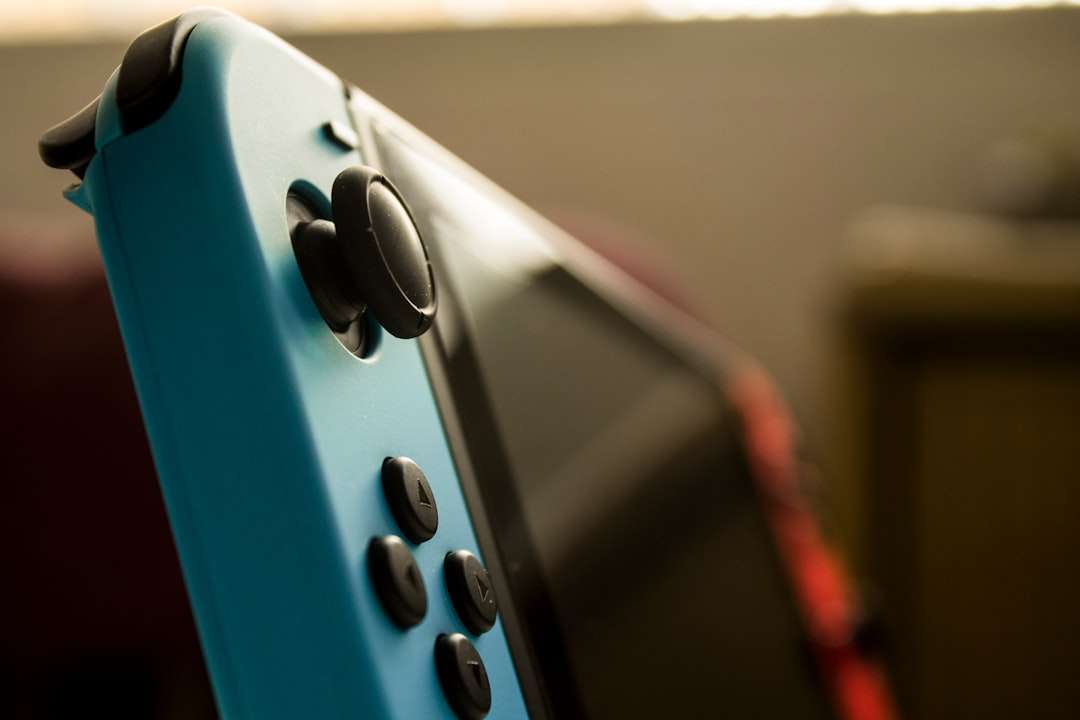
2. Faulty Charging Cable or Adapter
If the Switch is not charging properly, the issue may be with the power source rather than the console itself. Third-party chargers, damaged cables, or faulty outlets can prevent the system from receiving power.
To troubleshoot:
- Use the official Nintendo Switch AC adapter.
- Try a different wall outlet.
- Inspect the cable for visible damage or fraying.
- Test the adapter with another compatible Switch, if available.
Using unofficial or low-quality chargers can sometimes cause charging inconsistencies or even damage over time.
3. The Console Needs a Hard Reset
Occasionally, the Switch may appear unresponsive due to a system crash. In these situations, the console is technically on but frozen.
A hard reset can often resolve this:
- Hold the power button for at least 12–15 seconds.
- Release the button.
- Press the power button again once.
This forces the system to shut down completely and reboot. Many users find that this simple step immediately restores functionality.
4. Overheating Protection
The Nintendo Switch has built-in thermal protection. If the system overheats—due to extended gameplay, blocked vents, or hot environments—it may shut down automatically and refuse to turn back on until it cools.
Common overheating causes include:
- Playing in direct sunlight.
- Blocked ventilation openings.
- Dust buildup inside the vents.
Allow the system to cool in a dry, well-ventilated area for at least 30 minutes before attempting to power it back on.
5. Physical or Water Damage
External damage can also prevent the Switch from powering up. Drops, liquid spills, or internal component failure may require professional repair.
Signs of physical damage may include:
- Cracked screen.
- Loose charging port.
- Unusual sounds when shaking the device gently.
If water exposure is suspected, it is crucial not to attempt charging the device, as this could cause further internal damage.
Step-by-Step Troubleshooting Guide
When facing a Switch that won’t turn on, following a structured troubleshooting process can prevent unnecessary frustration.
- Charge the console for at least one hour using the official adapter.
- Perform a hard reset by holding the power button for 15 seconds.
- Test with another charger or dock.
- Inspect for damage around the charging port and screen.
- Contact Nintendo Support if the issue persists.
Docked Mode vs. Handheld Mode Issues
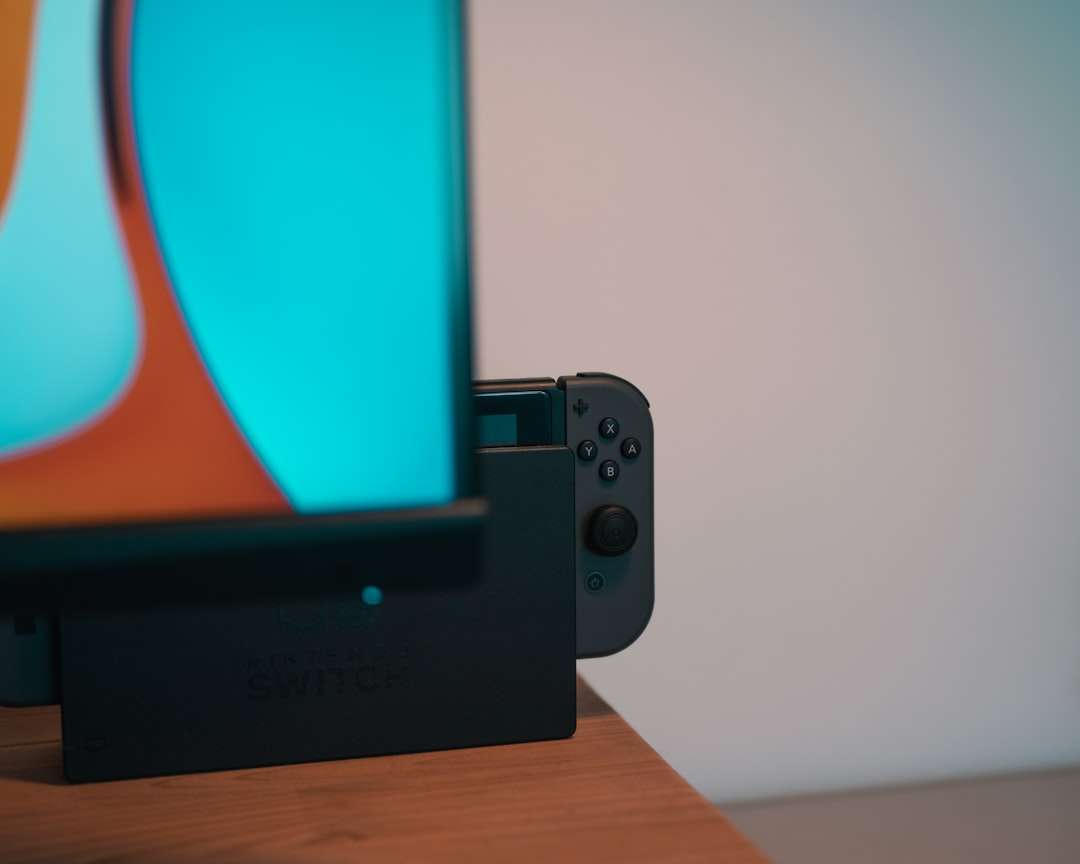
Sometimes, the problem only occurs in docked mode. The console may power on in handheld mode but not display on the TV.
Potential causes include:
- HDMI cable malfunction.
- Dock connection issues.
- Incorrect TV input settings.
In such cases, users should:
- Disconnect and reconnect all cables.
- Ensure the HDMI is firmly plugged in.
- Try a different HDMI cable.
- Test the console outside the dock.
When the Screen Is Black but the Console Is On
In certain scenarios, the console may technically power on, but the screen remains black. Signs that the system is on include:
- Haptic feedback vibration.
- Sound when pressing buttons.
- Dock indicator light functioning.
This may indicate:
- Screen backlight failure.
- Internal display cable damage.
- Software corruption.
A repair specialist may be required to diagnose internal display issues.
Battery Replacement Considerations
If the Switch only works while plugged in, the battery could be degraded. After several years of use, lithium-ion batteries naturally lose capacity.
Signs of battery wear include:
- Rapid battery drain.
- Sudden shutdown at moderate percentages.
- Console failing to power on without charging cable.
Battery replacement should be done by an authorized repair provider to avoid voiding warranties or damaging internal components.
Comparison Chart: Common Causes and Solutions
| Issue | Symptoms | Recommended Fix |
|---|---|---|
| Drained Battery | Black screen, no response | Charge 30–60 minutes with official adapter |
| System Crash | Frozen screen, unresponsive buttons | Hold power button 15 seconds |
| Faulty Charger | No charging icon | Use official charger and different outlet |
| Overheating | Console shut down after extended use | Allow cooling for 30+ minutes |
| Hardware Damage | Cracked screen or loose port | Professional repair service |
When to Contact Nintendo Support
If all troubleshooting steps fail, professional support may be necessary. It is advisable to contact Nintendo Support when:
- The console does not respond after extended charging.
- There are signs of internal damage.
- The device is still under warranty.
Attempting advanced repairs at home can sometimes worsen the issue.
Preventing Future Power Issues
Although not all problems are preventable, users can reduce the risk of future power failures by:
- Using only certified charging accessories.
- Keeping vents dust-free.
- Avoiding extreme heat exposure.
- Charging the console before long-term storage.
Routine care extends both battery health and overall device lifespan.
Frequently Asked Questions (FAQ)
- Why is the Nintendo Switch not turning on even after charging?
If it has been fully drained, it may require 30–60 minutes before responding. If there is still no response, try a hard reset or test a different charger. - How do you force start a Nintendo Switch?
Hold the power button continuously for 12–15 seconds, release it, and then press it again to reboot. - Can a dead Nintendo Switch battery be fixed?
Yes, a degraded battery can be replaced by an authorized technician. Battery replacement typically restores normal power performance. - Why does the Switch only work while plugged in?
This usually indicates a worn-out battery that can no longer hold a charge. - What if the screen is black but I hear sound?
The console may be on but experiencing display failure. Professional repair is recommended for internal screen issues. - Does leaving the Switch docked damage the battery?
The system is designed to handle docking. However, prolonged heat exposure can affect battery health over time.
When a Nintendo Switch won’t turn on, it is rarely the end of the console’s lifespan. Most issues stem from battery depletion, minor software crashes, or charging problems. With careful troubleshooting and proper maintenance, many owners can resolve the problem on their own. When in doubt, professional support ensures the safest and most reliable fix.