
In an increasingly complex and interdependent global economy, the convergence of statistics and strategy has emerged as a powerful force in addressing economic challenges. Countries and corporations alike are turning toward data-driven insights to craft solutions, optimize policies, and foresee potential economic pitfalls—all while remaining competitive in a dynamic marketplace. As the digital era continues to generate unprecedented volumes of data, the real advantage lies not merely in collecting it, but in knowing how to use it strategically.
TLDR
Statistics plays a crucial role in identifying and solving modern economic problems. By analyzing data trends and using predictive models, strategists can formulate informed policy decisions and business innovations. This fusion of data analytics and strategic planning allows for more accurate forecasting, better resource allocation, and sustainable solutions. As data sources grow in complexity, partnerships between economists, data scientists, and policymakers become increasingly essential.
The Role of Statistics in Economics
Statistics provides the backbone of economic analysis. Through the systematic collection, analysis, and interpretation of data, economists can understand how markets function, assess public policy, and forecast future trends. Whether it’s measuring inflation rates, unemployment, or consumer confidence, statistical data offers quantitative insight into the health of an economy.
Key indicators such as Gross Domestic Product (GDP), the Consumer Price Index (CPI), and trade balances are all rooted in statistical methods. These metrics not only reflect the current state of the economy but also guide policymakers in shaping fiscal and monetary strategies.
Where Strategy Comes Into Play
While statistics offers the “what,” strategy answers the “how.” Strategic thinking transforms raw data into actionable initiatives. Decision-makers leverage these insights to identify opportunities, mitigate risks, and build more resilient economies.
For example, during a period of rising unemployment, statistical data might reveal regional disparities in job losses or growth in certain industries. With this data, government officials can strategically direct investments, offer subsidies, or initiate training programs tailored to the needs of those specific areas.
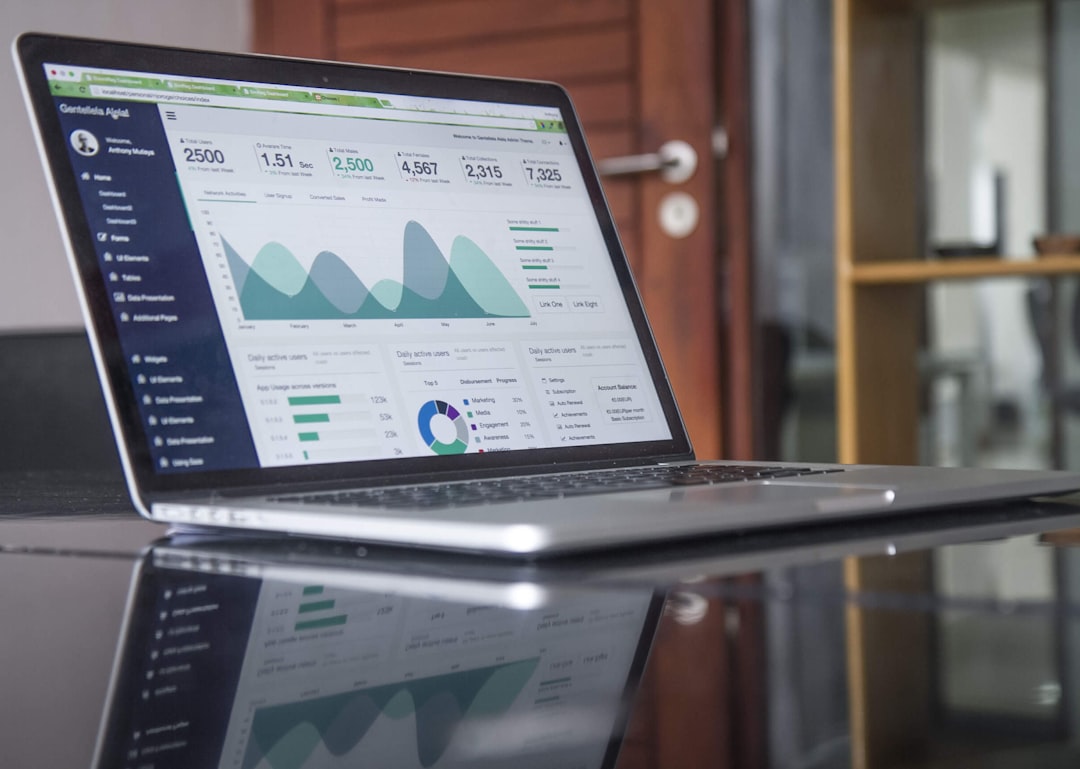
Corporations are also increasingly integrating data science into their strategic planning. From supply chain optimization to customer segmentation, the ability to predict behaviors and respond effectively is becoming a cornerstone of competitive advantage. Data-driven strategies are now essential at the boardroom level, influencing long-term business planning and operational efficiency.
Case Studies: Real-World Applications
- COVID-19 Economic Recovery: During the pandemic, statistical models played a pivotal role in helping countries allocate relief funding and assess the economic impact of lockdowns. By analyzing spending patterns and employment data, governments developed targeted financial assistance packages and phased reopening strategies.
- Trade Policy and Tariffs: Countries use statistical analysis to evaluate the economic consequences of tariffs and trade agreements. For instance, impact assessments helped determine how trade wars might affect specific industries and labor markets, adjusting import-export strategies accordingly.
- Consumer Behavior Analysis: Retail giants like Amazon and Walmart use real-time statistical modeling to understand buying habits, optimize inventories, and tailor user experiences through predictive analytics and recommendation engines.
Breaking Down the Process: From Data to Strategy
To solve economic problems with data effectively, organizations typically follow a multi-step process:
- Data Collection: Accumulating data through surveys, sensors, online transactions, or public databases is the foundational step. Quality and scope of data play a crucial role in the accuracy of any model.
- Cleaning and Organizing: Raw data must be cleaned, organized, and formatted. This involves removing outliers, handling missing values, and categorizing variables to facilitate accurate analysis.
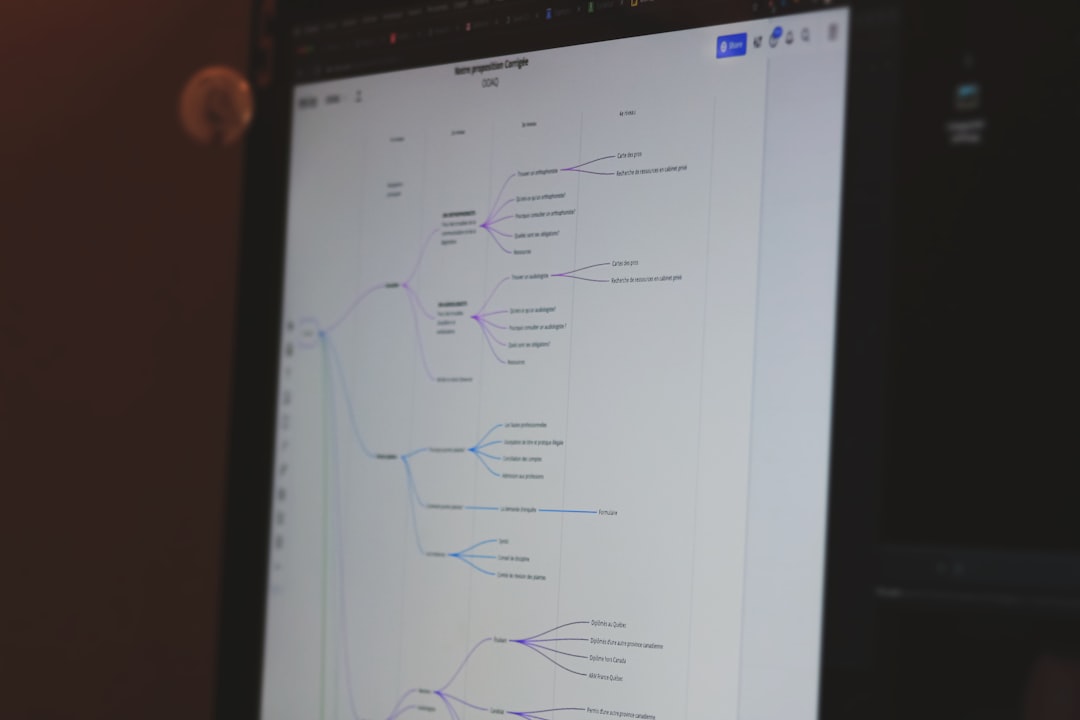
- Model Building: Analysts develop statistical models (like regression analysis, time series forecasting, or machine learning algorithms) tailored to the problem at hand. These models predict trends, assess impacts, or identify correlations.
- Strategic Interpretation: Economists and strategists interpret the model’s implications and integrate them into policymaking or business operations. This is where collaboration is critical—statistical insights must be translated into real-world action.
Challenges and Limitations
Although the coupling of statistics and strategy is powerful, it does not come without challenges:
- Data Privacy: With increasing reliance on personal and behavioral data, issues of privacy and ethical data use become paramount. Policies such as GDPR in Europe were enacted to ensure transparency and control over data usage.
- Bias and Inaccuracy: Biased or incomplete data can lead to flawed models and misguided strategies. Ensuring data quality and implementing checks at every stage of analysis is essential.
- Overfitting and Misinterpretation: Over-reliance on models without understanding their assumptions can lead to strategic missteps. Stakeholders must balance quantitative analysis with domain knowledge and contextual insight.
Despite these limitations, the benefits of merging economics with data science often outweigh the risks—especially when guided by ethical considerations and multidisciplinary collaboration.
The Future of Economic Problem-Solving
The evolution of technologies such as artificial intelligence, blockchain, and cloud computing is amplifying the impact of statistical strategy in economics. These tools allow analysts to process vast amounts of data faster and with greater accuracy, enabling real-time decision-making.
Moreover, open data platforms and collaborative models between governments, academic institutions, and private enterprises are paving the way for more inclusive and holistic economic strategies. Projects like the World Bank’s Open Data Initiative or the IMF’s data-sharing efforts are excellent examples of how democratizing data can lead to smarter global policymaking.
Ultimately, as societies face economic challenges such as climate change, technological unemployment, and global inequality, the role of statistics in shaping strategy will only grow in importance. Like a compass in uncertain waters, data-driven strategy provides direction—but it’s up to human insight to steer the ship.

FAQ: Where Statistics Meets Strategy
- Q: How does statistical analysis help in economic policymaking?
- A: Statistical analysis helps policymakers understand economic trends, forecast future conditions, and evaluate the impact of existing policies. This enables them to make informed and targeted decisions.
- Q: What are the most commonly used statistical tools in economics?
- A: Common tools include regression analysis, time series analysis, hypothesis testing, and econometric modeling. Increasingly, machine learning and big data analytics are also being used.
- Q: Can businesses benefit from economic statistics?
- A: Absolutely. Businesses use economic statistics to inform pricing strategies, production levels, market expansion, risk management, and customer behavior analysis.
- Q: What skills are essential for bridging statistics and strategy?
- A: Analytical thinking, familiarity with data tools (like R, Python, or Excel), strategic foresight, communication skills, and domain knowledge in economics or business are key to successfully integrating the two disciplines.
- Q: Is there a risk of over-relying on data?
- A: Yes. While data is a powerful asset, strategy should also account for context, human behavior, and qualitative factors. Blind trust in models without critical evaluation can lead to poor decisions.
In conclusion, the fusion of statistics and strategy is no longer optional—it is essential in today’s data-rich, high-stakes economic environment. Whether at a national or corporate level, the ability to extract meaning from data and translate it into action will define the economic success of the future.