
You’re scrolling through messages or comments and see someone drop “fw.” It feels casual. Short. A bit unclear. That pause you feel is normal.
Online chats move fast. People shorten words to save time. Slang grows inside texting, group chats, and social apps. FW is one of those short forms that depends on how and where people use it. There isn’t one meaning that fits every case. Context does the heavy lifting here.
This guide explains FW in plain terms. No fluff. Just how people use it in real conversations across text and social media.
The Most Common Meaning of FW in Online Slang
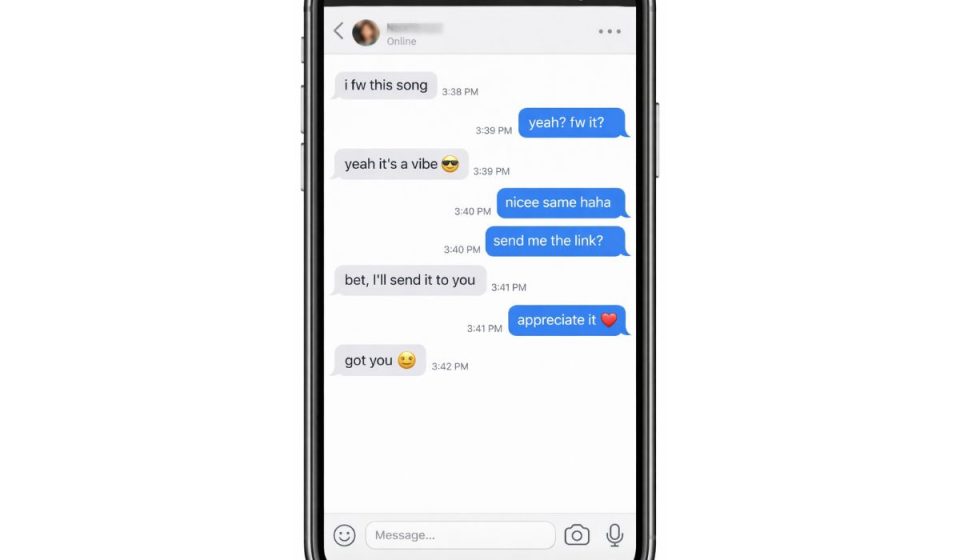
In casual online slang, FW usually means “fuck with.”
People use it to say they like something, support it, or are into it. The tone is relaxed. Often friendly. Sometimes playful. It rarely sounds serious or aggressive when friends use it.
You’ll see FW in chats about music, videos, people, or ideas. It works like saying “I like that” or “I’m cool with it,” just shorter and more casual. Slang culture favors speed and shared understanding, and FW fits that pattern well.
This meaning shows up most in private messages and social media comments where people already share a casual tone.
How Context Changes the Meaning of FW?
Context matters more than the letters themselves. The same abbreviation can point to very different ideas depending on where it appears.
In work chats or emails, FW often means “forward.” Someone might say “fw this to the team” or “fw the file.” The surrounding words make that clear. The message feels direct and task-focused, not casual.
In social or personal chats, FW almost never means forward. The tone, sentence style, and platform signal that the slang meaning applies. Once you notice those cues, confusion drops fast.
A simple rule helps. If the message feels relaxed or social, FW likely means “fuck with.” If it feels structured or work-related, it usually means “forward.”
How FW Is Used in Text Messages and Social Media?
In text messages and direct chats, FW shows up when people talk freely. Friends use it without explaining it. Tone carries meaning more than grammar.
On platforms like Instagram and TikTok, FW often appears in comments. Someone might react to a post, a song, or a trend using just a few words. Short replies fit the pace of public feeds.
On Twitter, now known as X, FW works in replies to show agreement or approval. The platform rewards fast reactions, so slang sticks.
In messaging apps like WhatsApp, FW blends into everyday chat. People lean on shared context and don’t stop to define terms.
Across platforms, the pattern stays the same. Casual space, casual meaning.
Real Examples of FW in Everyday Conversations
Examples help more than definitions. Here’s how FW looks in real use:
- “I fw that new track.”
- “Not sure at first, but I fw it now.”
- “You fw this update?”
- “He fw the idea heavy.”
- “fw this doc to the group chat.”
Notice how tone shifts with context. The last line feels work-related. The others feel social and relaxed.
Is FW Rude or Unsafe to Use?
FW includes a swear word when spelled out. That matters to some people. In casual online spaces, most users don’t treat it as rude. It feels normal among friends and peers.
Still, audience matters. FW can feel out of place in:
- Work emails
- Messages with clients
- Formal groups
- Chats with people who don’t use slang
If you’re unsure about the setting, skip it. Clear language always works. Slang works best when everyone understands the tone.
Final Thoughts on Understanding FW
FW isn’t tricky once you see the pattern. Look at the platform. Read the tone. Check the context around it.
Most of the time, FW means someone likes or supports something. In work messages, it points to forwarding content. That’s it. No need to overthink it.
If this helped, share it with someone who asked the same question. Or drop a comment with another slang term you’ve seen lately. Conversations like these keep language easy to understand.