
Few political figures of the twentieth century provoke as much debate as Fidel Castro. To some, he was a bold revolutionary who stood up to foreign dominance and delivered education and healthcare to millions. To others, he was an authoritarian ruler who suppressed dissent and oversaw economic hardship. Evaluating whether Castro was a “good” leader depends largely on which values one prioritizes: social equality and national sovereignty, or political freedom and economic pluralism.
TLDR: Fidel Castro transformed Cuba through sweeping social reforms, expanding healthcare, education, and national independence. However, his rule was marked by political repression, limited civil liberties, and chronic economic struggles. Whether he was a good leader depends on the weight given to social achievements versus authoritarian governance. His legacy remains deeply polarizing, both in Cuba and around the world.
To understand Castro’s leadership, it is necessary to explore the historical context in which he rose to power, the policies he implemented, and the consequences—both positive and negative—of his decades-long rule.
The Rise of a Revolutionary
In 1959, Fidel Castro led a revolutionary movement that overthrew the U.S.-backed Cuban dictator Fulgencio Batista. Batista’s regime had been widely criticized for corruption, inequality, and repression. Many Cubans lived in poverty, and wealth was concentrated among a small elite. American businesses held significant control over Cuban resources, particularly sugar.
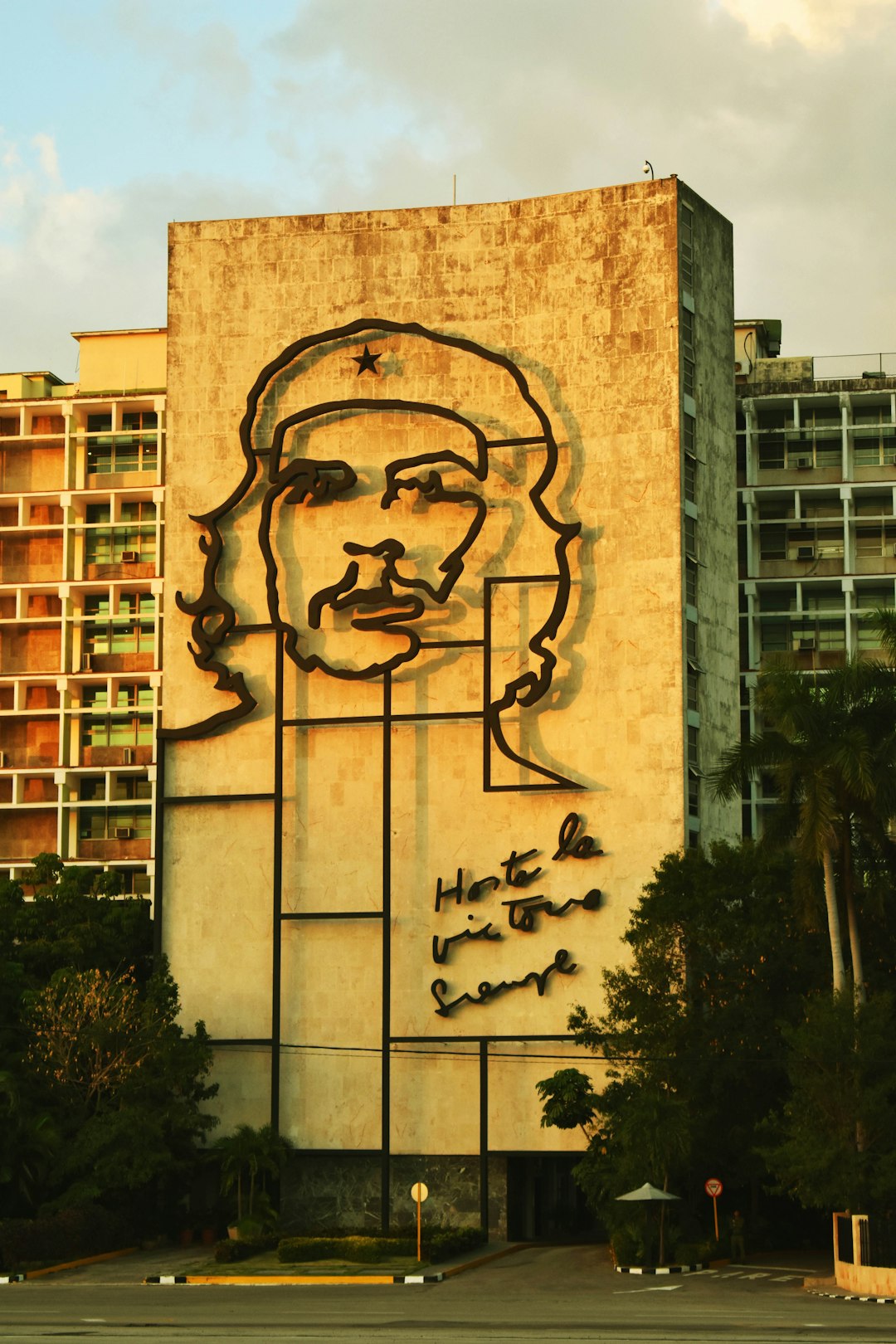
Castro positioned himself as a nationalist reformer determined to:
- Eliminate corruption
- Redistribute land and wealth
- Reduce foreign economic control
- Provide social services to ordinary Cubans
Initially, many inside and outside Cuba viewed him as a liberator. However, his alignment with Marxist-Leninist ideology and eventual partnership with the Soviet Union quickly escalated tensions with the United States, setting the stage for decades of Cold War hostility.
Social Achievements: Education and Healthcare
One of the strongest arguments in favor of Castro’s leadership lies in his government’s social reforms. Under his rule, Cuba dramatically improved key social indicators.
Education
Shortly after taking power, Castro launched a nationwide literacy campaign. Thousands of volunteers were sent into rural areas to teach reading and writing. Within a few years, Cuba’s literacy rate soared to over 95%, one of the highest in Latin America.
Education became free at all levels, including university. The state invested heavily in schools, teacher training, and scientific research. Today, Cuba boasts an impressive doctor-to-patient ratio and highly trained professionals relative to its size and income level.
Healthcare
Cuba established a universal healthcare system providing free medical services to all citizens. Preventive care, vaccination campaigns, and community-based clinics became central features.
Image not found in postmetaAs a result:
- Infant mortality rates dropped dramatically
- Life expectancy increased significantly
- Cuba developed a strong biotechnology and pharmaceutical sector
Even critics of Castro often acknowledge these accomplishments as meaningful and enduring.
Economic Challenges and Limitations
While Cuba made impressive strides in social policy, its economic performance was far more uneven. Castro nationalized industries, collectivized agriculture, and placed much of the economy under state control. These actions aimed to reduce inequality and eliminate foreign dominance—but they also reduced market flexibility and private enterprise.
In the 1960s and 1970s, Soviet subsidies helped prop up the Cuban economy. The USSR bought Cuban sugar at favorable prices and supplied oil and financial assistance. However, when the Soviet Union collapsed in 1991, Cuba entered what became known as the “Special Period.”
During this time:
- Food shortages became widespread
- Fuel and electricity were rationed
- GDP contracted sharply
The state introduced limited market reforms and allowed small-scale private businesses to survive the crisis. Yet economic hardship remained a persistent issue. Critics argue that centralized planning limited innovation and productivity. Supporters counter that the U.S. embargo significantly constrained Cuba’s options and worsened economic conditions.
Political Repression and Human Rights Concerns
Perhaps the most serious criticism of Castro’s leadership centers on political freedom. Cuba became a one-party state under his rule, with the Communist Party holding exclusive power. Opposition parties were not allowed, and independent media was heavily restricted.
International human rights organizations documented:
- Imprisonment of political dissidents
- Restrictions on free speech and assembly
- Surveillance of citizens
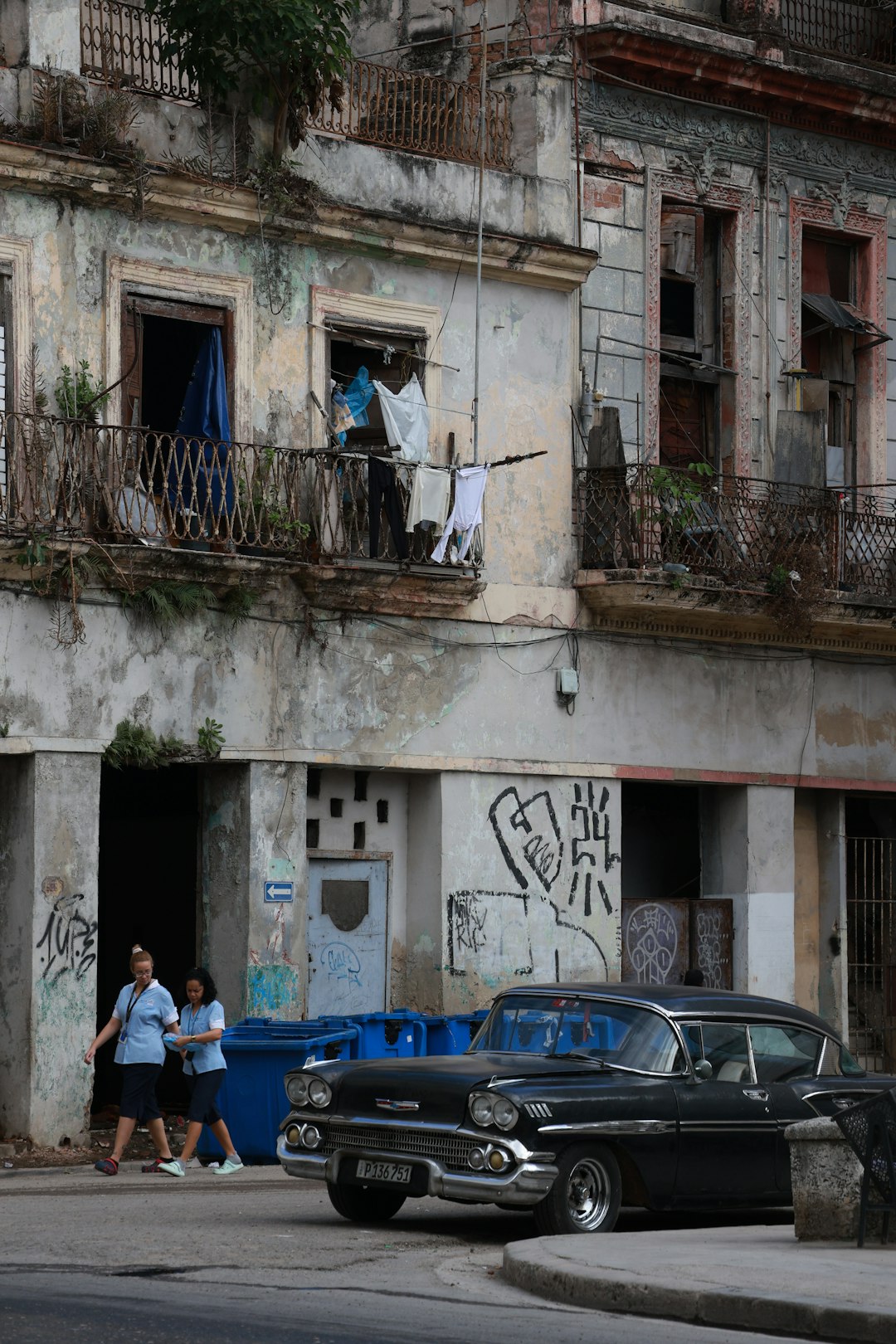
Thousands of Cubans fled the island, especially during migration waves such as the Mariel boatlift in 1980. For many exiles, Castro symbolized lost freedoms and political persecution.
Castro defended these measures by arguing that Cuba faced constant threats from the United States, including assassination attempts and the failed Bay of Pigs invasion. From his perspective, strict control was necessary to preserve national sovereignty. Whether that justification is acceptable remains hotly debated.
Foreign Policy and Global Influence
Castro’s leadership extended far beyond Cuba’s borders. He positioned Cuba as a champion of anti-colonial and anti-imperialist movements. Cuban troops and medical personnel were sent to countries in Africa and Latin America, supporting revolutionary or independence movements.
His alliance with the Soviet Union nearly brought the world to nuclear war during the 1962 Cuban Missile Crisis. Although the crisis ended without catastrophe, it highlighted both Cuba’s strategic importance and its vulnerability.
Supporters argue that Castro gave Cuba an outsized global voice. Critics suggest he entangled the country in geopolitical struggles that deepened isolation and economic strain.
Public Opinion: Divided Legacy
Within Cuba, opinions about Castro vary by generation and experience. Many older Cubans credit him with expanding access to education and healthcare. Others, especially among the diaspora, remember political repression and economic hardship.
Internationally, he remains a symbol of resistance to U.S. dominance for some and a cautionary tale of authoritarianism for others.
Assessments of whether Castro was a good leader often hinge on competing definitions of leadership itself:
- If leadership means promoting social welfare and equality, his record shows measurable improvements.
- If leadership requires protecting civil liberties and democratic institutions, his record appears far more troubling.
Weighing the Evidence
A balanced evaluation must acknowledge that Castro governed for nearly five decades—an unusually long tenure that allowed both sustained reforms and entrenched authoritarian practices.
Arguments Suggesting He Was a Good Leader:
- Dramatic improvements in literacy and healthcare
- Reduction of extreme poverty and racial segregation
- Assertion of national independence
- Strong disaster response and community-based social systems
Arguments Suggesting He Was Not:
- Suppression of political opposition
- Restrictions on free expression
- Economic inefficiencies and shortages
- Mass emigration of dissatisfied citizens
Importantly, some outcomes may have trade-offs. For example, centralized governance may have enabled sweeping social programs—but at the cost of political pluralism. Conversely, greater democratic openness might have led to different economic results, but perhaps less policy consistency.
Conclusion: A Leader of Contradictions
Was Fidel Castro a good leader? The answer is neither a simple yes nor no. He undeniably reshaped Cuba, improving certain social indicators beyond what many comparable nations achieved. At the same time, his rule curtailed freedoms that many consider fundamental.
Castro’s legacy serves as a reminder that leadership can produce meaningful gains in some areas while imposing serious costs in others. His story illustrates the complexity of governing in a polarized international environment and the enduring tension between equality and liberty.
Ultimately, judgments about Castro reflect deeper values: whether one prioritizes collective welfare over individual political freedom, or vice versa. More than half a century after his revolution, the debate over Fidel Castro’s leadership remains as vivid as ever.