
In today’s digital landscape, conversations about brands unfold in real time across social media platforms, forums, blogs, and review sites. A single post can influence public perception within hours. For organizations of all sizes, monitoring brand mentions is no longer optional—it is a core component of reputation management, customer engagement, and competitive intelligence. Effective monitoring provides clarity, control, and the ability to respond strategically rather than reactively.
TLDR: Monitoring brand mentions across social media enables companies to track reputation, manage crises, and uncover opportunities for engagement. Dedicated tools provide real-time alerts, sentiment analysis, and competitive insights. Choosing the right platform depends on your size, objectives, and data needs. A structured monitoring strategy ensures you convert insights into measurable business value.
Brand mentions include any direct or indirect reference to your company, products, executives, or even branded hashtags. These references may appear with or without a direct tag. Without specialized monitoring tools, many of these conversations go unnoticed. Comprehensive monitoring systems aggregate these mentions from multiple sources and provide actionable intelligence.
Why Monitoring Brand Mentions Matters
Understanding the importance of social listening begins with recognizing the risks of ignoring it. Social media users expect timely responses, transparency, and authenticity. When negative sentiment goes unanswered, it can escalate quickly.
- Reputation Management: Identify potential crises early and respond promptly.
- Customer Engagement: Strengthen relationships by acknowledging feedback and appreciation.
- Market Intelligence: Detect emerging trends and competitor activity.
- Performance Measurement: Evaluate the impact of marketing campaigns.
- Product Feedback: Gather insights for innovation and improvement.
Comprehensive monitoring shifts organizations from reactive to proactive communication strategies.
Categories of Brand Monitoring Tools
Not all monitoring solutions are the same. Different tools serve distinct needs, depending on company size, industry complexity, and communication volume.
1. Social Media Management Platforms
These tools combine publishing, scheduling, analytics, and monitoring features into a single dashboard. They are especially useful for marketing teams managing multiple accounts.
Common features include:
- Unified inbox for mentions and direct messages
- Cross-platform analytics
- Content scheduling
- Basic sentiment tracking
These platforms are ideal for small to medium-sized businesses seeking multi-functional oversight without complex integrations.
2. Dedicated Social Listening Tools
Social listening tools focus heavily on tracking and analyzing conversations across public channels. Unlike basic management platforms, they often include sophisticated sentiment analysis, keyword tracking, and historical data access.
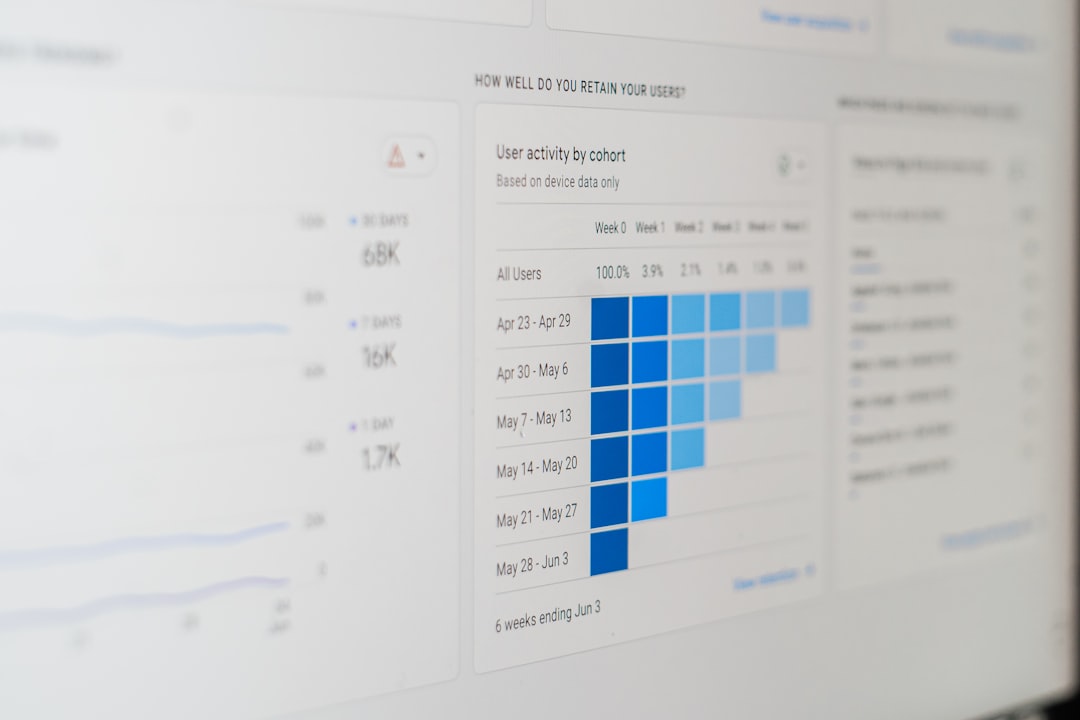
Key capabilities typically include:
- Sentiment Analysis: Evaluates whether mentions are positive, negative, or neutral.
- Trend Identification: Tracks recurring topics and patterns.
- Influencer Detection: Identifies individuals driving conversations.
- Crisis Alerts: Sends notifications when volume spikes unexpectedly.
Larger enterprises often rely on these systems due to their data depth and reporting flexibility.
3. Media Monitoring Services
Brand perception extends beyond social networks. Media monitoring services expand tracking to online news outlets, print publications, podcasts, and blogs. These tools are particularly valuable for public relations teams.
They provide:
- Press coverage tracking
- Share of voice measurement
- Journalist database access
- Audience reach estimations
Organizations that regularly engage with press outlets benefit from integrating media monitoring with social listening.
Key Features to Evaluate
When selecting a brand monitoring tool, decision-makers should prioritize features aligned with their operational needs and strategic objectives.
Real-Time Alerts
Immediate notifications allow teams to act before minor issues escalate. Real-time alerting is particularly critical for industries with regulatory or reputational sensitivity.
Sentiment and Context Analysis
Volume alone does not reflect brand health. Advanced tools apply natural language processing to assess tone and context. While not flawless, modern algorithms offer meaningful insight into public mood.
Customizable Dashboards
Stakeholders from marketing, customer service, and executive leadership require different perspectives. Flexible dashboards help present data in a clear, role-appropriate format.
Cross-Channel Integration
Strong platforms integrate with:
- Major social networks
- Review platforms
- Forums and discussion boards
- CRM systems
- Email marketing software
Integration ensures monitoring is not isolated from broader business systems.
Historical Data Access
The ability to analyze long-term trends enhances strategic planning. Historical comparisons help measure growth, campaign effectiveness, and sentiment evolution.
Leading Tools in the Market
Several established providers have built reputations for reliability and comprehensive monitoring capabilities. While feature sets vary, the tools below are widely recognized for robust functionality:
- Brandwatch: Enterprise-grade social listening with advanced analytics.
- Meltwater: Combines social monitoring with traditional media tracking.
- Sprout Social: Offers management tools alongside listening and reporting.
- Talkwalker: Known for AI-driven analytics and image recognition.
- Hootsuite: Popular for unified scheduling and monitoring workflows.
Selection should be based on budget, scale, and analytics complexity required.
Using Monitoring Data Strategically
Collecting data is only the first step. True value emerges when insights translate into action.
Image not found in postmeta
Crisis Prevention and Response
Early detection allows organizations to deploy coordinated responses. Establishing response protocols ensures consistency and clarity. Teams should predefine:
- Approval hierarchies
- Response time targets
- Escalation procedures
- Communication templates
Customer Service Optimization
Many users prefer social platforms for support inquiries. Monitoring mentions helps identify untagged complaints and address them promptly, improving satisfaction metrics.
Campaign Performance Measurement
Tracking branded hashtags, campaign slogans, and keyword mentions provides a clear indicator of audience engagement. Data-driven marketing decisions significantly outperform intuition-based strategies.
Competitive Benchmarking
Monitoring competitors reveals emerging tactics, consumer sentiment shifts, and potential market gaps. Comparing share of voice gives measurable perspective on brand visibility within the industry.
Challenges and Limitations
Despite technological advances, monitoring tools are not perfect. Organizations must understand inherent constraints.
- Data Gaps: Privacy restrictions limit access to certain conversations.
- Sentiment Accuracy: Sarcasm and cultural nuance can confound algorithms.
- Information Overload: Large volumes of data may overwhelm teams.
- Resource Allocation: Monitoring requires dedicated personnel for analysis and response.
Careful configuration and employee training reduce these challenges significantly.
Best Practices for Effective Monitoring
Successful monitoring relies on both technology and disciplined processes.
- Define Clear Objectives: Establish measurable goals before implementation.
- Track Branded and Non-Branded Keywords: Include variations and common misspellings.
- Monitor Executive Mentions: Leadership visibility impacts brand reputation.
- Refine Filters Regularly: Eliminate irrelevant data to preserve clarity.
- Develop Internal Response Guidelines: Ensure consistent tone and professionalism.
Periodic performance reviews ensure the monitoring strategy evolves alongside platform changes and market conditions.
Visual and Multimedia Monitoring
Modern conversations are increasingly visual. Logos appear in images and videos without textual references. Advanced tools incorporate image recognition to detect brand assets in photos and live streams.
Image not found in postmeta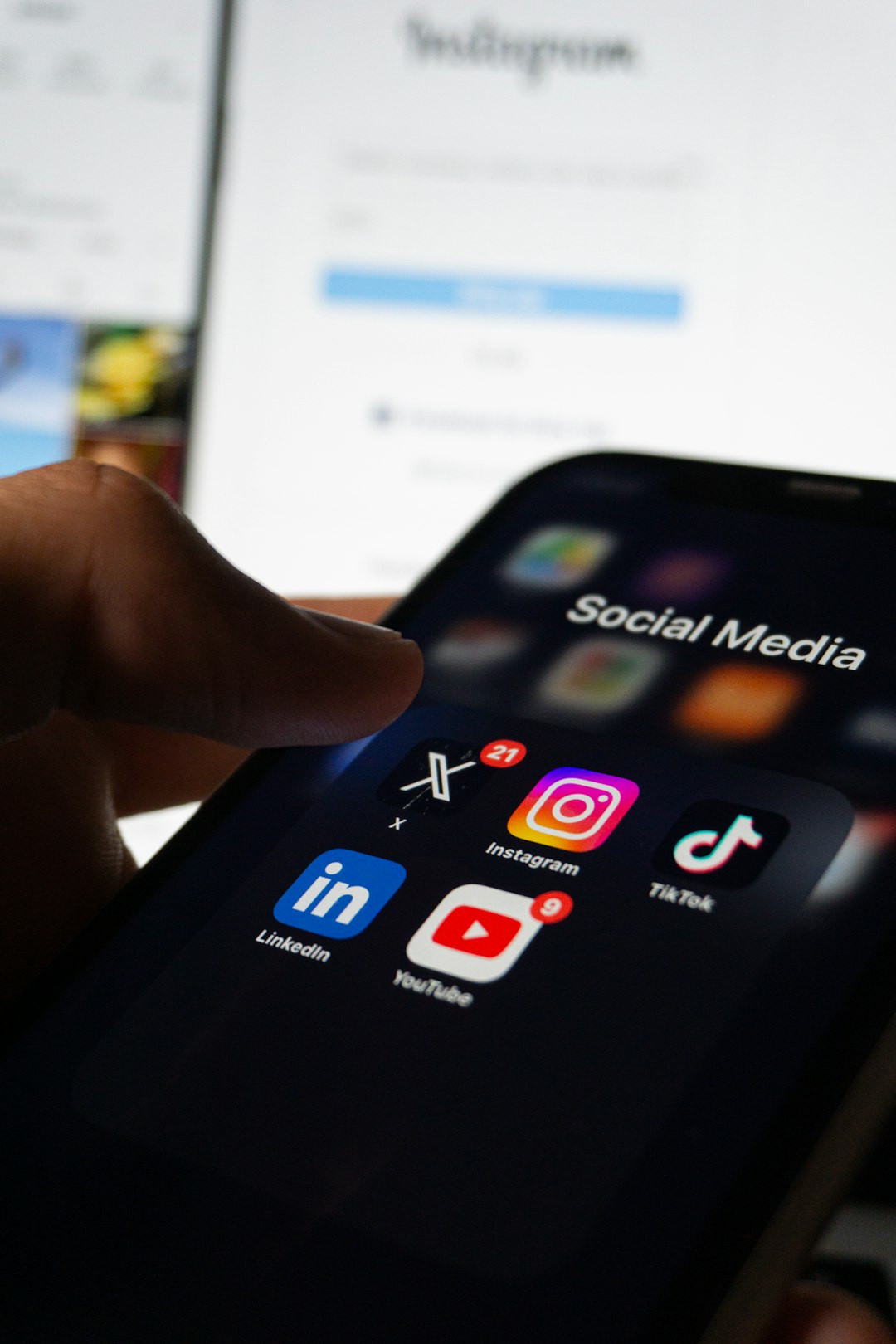
This capability enhances completeness and prevents missed exposure opportunities. Video tracking is becoming particularly important on short-form content platforms, where rapid consumption amplifies both positive and negative messaging.
The Future of Brand Monitoring
Artificial intelligence continues to refine brand monitoring accuracy. Predictive analytics may soon anticipate sentiment shifts before they fully develop. Automation is also expanding, enabling faster categorization and alerting without sacrificing review quality.
Furthermore, integration with customer data platforms will allow deeper behavioral insights. Instead of viewing mentions in isolation, companies will analyze them within broader customer journeys.
However, ethical data usage and compliance with privacy regulations will remain critical considerations. Responsible data stewardship reinforces trust and protects organizational integrity.
Conclusion
Tools for monitoring brand mentions across social media have become indispensable in modern business operations. They empower organizations to safeguard reputation, understand audiences, and maintain a strong competitive position. The most effective approach combines reliable technology with clear internal processes and strategic intent.
Organizations that invest thoughtfully in monitoring infrastructure—and apply insights consistently—position themselves to respond confidently to challenges and capitalize on emerging opportunities. In an environment where public perception evolves rapidly, comprehensive brand monitoring is not merely a technical function; it is a strategic necessity.