
In today’s competitive property market, making profitable decisions requires more than intuition and rough estimates. Investors must evaluate rental income, operating expenses, financing terms, appreciation forecasts, and tax implications—all while comparing multiple opportunities at once. Real estate investment analysis software has emerged as a critical tool for turning raw numbers into clear, actionable insights. By automating calculations and organizing data into intuitive dashboards, these platforms allow investors to evaluate deals with greater speed, accuracy, and confidence.
TLDR: Real estate investment analysis software helps investors evaluate deals by automating financial calculations, modeling scenarios, and forecasting returns. It reduces risk by identifying weak assumptions and highlighting cash flow, ROI, and long-term performance metrics. With customizable inputs, visual dashboards, and reporting tools, investors can compare properties quickly and make data-driven decisions. Ultimately, these platforms increase confidence and improve investment outcomes.
The Growing Complexity of Real Estate Investment
Modern real estate investing involves far more than simply purchasing a property and collecting rent. Investors must account for:
- Acquisition costs such as closing fees, inspections, and renovations
- Financing terms, including interest rates, amortization schedules, and loan points
- Operating expenses, including property management, maintenance, taxes, and insurance
- Vacancy rates and rent growth assumptions
- Exit strategies and resale value projections
Attempting to track these variables manually in spreadsheets can be time-consuming and error-prone. Even minor calculation mistakes can significantly distort projected returns. That is where specialized software makes a measurable difference.
What Real Estate Investment Analysis Software Does
At its core, real estate investment analysis software is designed to collect financial inputs and transform them into meaningful performance metrics. These metrics often include:
- Cash flow projections
- Capitalization rate (Cap Rate)
- Cash on cash return
- Internal rate of return (IRR)
- Net present value (NPV)
- Debt service coverage ratio (DSCR)
By automatically calculating these indicators, the software allows investors to quickly determine whether a deal aligns with their financial goals. More advanced platforms also offer scenario modeling, allowing users to adjust assumptions—such as rent increases or interest rates—and instantly see how those changes impact profitability.
Key Features That Build Investor Confidence
1. Customizable Financial Inputs
Not all properties are alike. A short-term rental, multifamily property, and commercial retail space each have unique revenue and expense structures. High-quality analysis software lets users input:
- Variable rent schedules
- Renovation budgets
- Operating cost breakdowns
- Financing structures with multiple loans
This flexibility ensures projections are tailored to the actual deal rather than generic assumptions.
2. Scenario and Sensitivity Analysis
Savvy investors understand that projections are estimates, not guarantees. Scenario modeling allows users to test:
- Higher or lower vacancy rates
- Unexpected repair costs
- Interest rate increases
- Slower appreciation rates
By stress-testing deals, investors gain clarity on worst-case and best-case outcomes. This reduces emotional decision-making and strengthens negotiation positions.
3. Automated Reporting
Professional reports are crucial when presenting opportunities to partners, lenders, or stakeholders. Many software platforms generate visually appealing reports that include:
- Return projections
- Expense breakdowns
- Financing summaries
- Exit forecasts
This level of detail strengthens credibility and streamlines presentations.

Improving Accuracy and Reducing Risk
One of the greatest benefits of using dedicated software is risk mitigation. Real estate investing inherently carries uncertainty, but accurate modeling minimizes preventable mistakes.
Standardized formulas built into the software ensure consistent calculations. Investors no longer need to manually build complex spreadsheets or worry about broken formulas. Additionally, automated systems help identify unrealistic projections by flagging unusually high expense ratios or aggressive appreciation assumptions.
By revealing both strengths and vulnerabilities within a deal, the software empowers investors to make proactive adjustments—either renegotiating purchase terms or walking away from risky investments.
Comparing Multiple Deals Efficiently
In competitive markets, opportunities move quickly. Investors often evaluate several properties simultaneously. Investment analysis software allows side-by-side comparisons of:
- Projected five-year returns
- Monthly cash flow stability
- Long-term equity growth
- Risk-adjusted performance metrics
This comparative functionality helps investors allocate capital more strategically. Instead of relying on instinct, they can prioritize deals backed by stronger numbers and more resilient forecasts.
Supporting Different Investment Strategies
Different real estate strategies require different metrics. Effective analysis software accommodates approaches such as:
Buy and Hold
Focuses on long-term appreciation, steady rental income, and compounding returns.
Fix and Flip
Emphasizes renovation budgets, resale projections, holding costs, and time-sensitive margins.
BRRRR (Buy, Rehab, Rent, Refinance, Repeat)
Requires careful modeling of refinance valuations and cash-out opportunities.
Commercial and Multifamily Investments
Often demand advanced features like tenant rollover modeling, expense recoveries, and cap rate sensitivity analysis.
By adapting to varied strategies, these tools serve both new investors and seasoned professionals.

Enhancing Due Diligence
Beyond simple return calculations, sophisticated platforms integrate market data, rental comps, and expense benchmarks. This enhances due diligence by allowing investors to:
- Validate rental income assumptions
- Estimate realistic maintenance reserves
- Analyze neighborhood-level performance metrics
- Assess historical property value trends
Better research leads to more grounded decisions. Rather than relying solely on seller estimates, investors can cross-check numbers against independent data.
Time Efficiency and Scalability
Manual analysis can take hours for a single property. For investors managing large portfolios, this is unsustainable. Automation drastically reduces analysis time.
Portfolio tracking features allow users to:
- Monitor aggregate cash flow
- Track equity growth
- Review loan balances
- Plan refinancing opportunities
As portfolios expand, scalable software ensures investors maintain organized records and clear performance oversight.
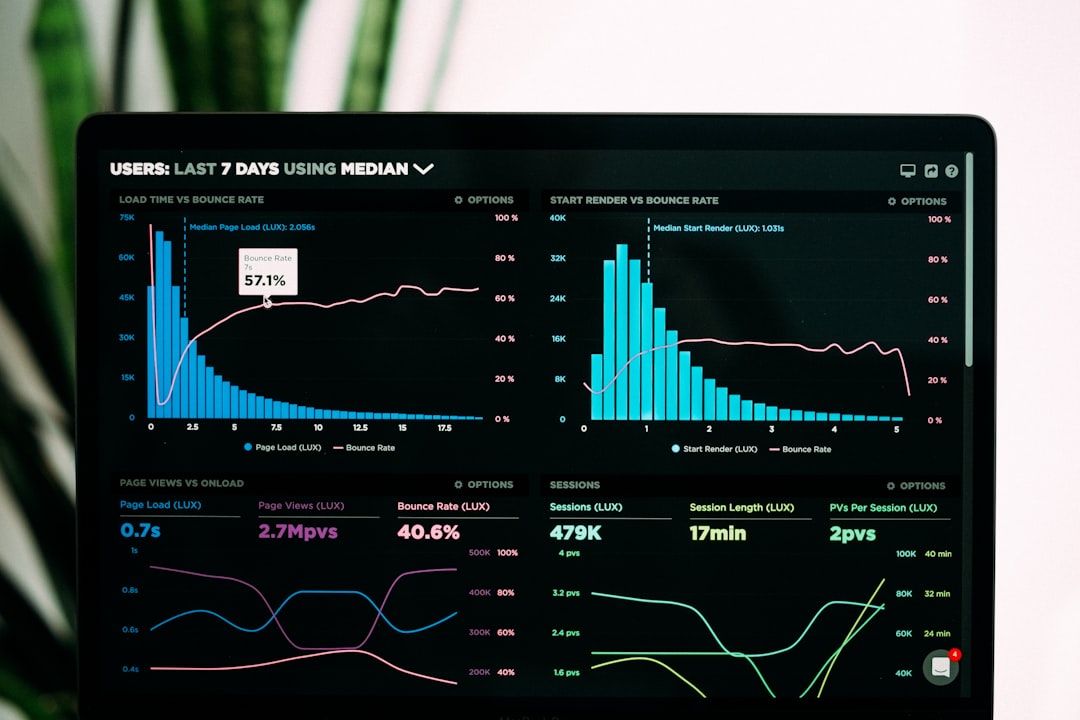
User-Friendly Interfaces and Visualization
Numbers alone can be overwhelming. Modern software platforms incorporate data visualization tools such as:
- Interactive graphs
- Cash flow timelines
- Pie charts for expense breakdowns
- Return projection curves
Visual dashboards help investors quickly grasp complex financial dynamics. This clarity makes it easier to spot trends, risks, and opportunities.
Choosing the Right Software
Not all platforms offer the same features, so investors should consider their needs carefully. Important factors include:
- Ease of use for beginners vs. advanced customization for professionals
- Scenario modeling capabilities
- Reporting features
- Integration with accounting or property management tools
- Cloud accessibility for remote collaboration
The best choice depends on investment size, strategy, and technical comfort level.
The Psychological Advantage of Data-Driven Decisions
Confidence plays a major role in successful investing. Hesitation can mean missing an opportunity; overconfidence can lead to costly mistakes. Reliable analysis software reduces emotional bias by grounding decisions in objective data.
When investors see clearly outlined projections—supported by verified assumptions—they can negotiate more effectively, present stronger offers, and move forward decisively. Confidence rooted in analytics fosters both discipline and strategic growth.
Conclusion
Real estate investment analysis software has transformed how investors approach property evaluation. By automating calculations, modeling multiple scenarios, and generating professional reports, these platforms provide clarity in a market filled with uncertainty. Whether analyzing a single-family rental or a large commercial complex, investors who use structured data tools gain a measurable advantage.
Ultimately, confident deal-making comes from understanding the numbers behind every opportunity. With the right software, investors reduce risk, improve efficiency, and make smarter decisions that support long-term portfolio growth.
FAQ
- What is real estate investment analysis software?
It is a digital tool that calculates financial metrics such as cash flow, ROI, IRR, and cap rate to help investors evaluate property deals accurately. - Is analysis software better than using spreadsheets?
While spreadsheets can be effective, dedicated software reduces errors, automates complex formulas, provides scenario modeling, and delivers professional reports more efficiently. - Can beginners use real estate analysis software?
Yes. Many platforms are designed with user-friendly interfaces and step-by-step input guidance, making them accessible to new investors. - What metrics should investors focus on most?
Key metrics include cash flow, cash on cash return, cap rate, IRR, and debt service coverage ratio. The importance of each depends on the investor’s strategy. - Does the software guarantee successful investments?
No tool can eliminate market risk. However, analysis software improves decision-making by providing accurate projections and highlighting potential weaknesses before a purchase. - Can the software help with portfolio management?
Yes. Many platforms include portfolio tracking features that monitor long-term performance, loan balances, cash flow trends, and overall equity growth.