
Startups move fast. Ideas change. Teams are small. Budgets are tight. In 2026, your website is more than a page. It is your pitch deck, your shop, and your first impression. Picking the right website builder can save you time, money, and stress. Or it can slow you down.
TLDR: The best website builder for startups in 2026 depends on speed, flexibility, and growth. Wix and Squarespace are great for fast launches. Webflow and Framer shine for custom design. WordPress still rules for content and scale. Choose the tool that matches where you are now, not just where you want to be.
What Startups Really Need in 2026
Before tools, think about needs. Startups are not big companies. You probably do not need everything on day one.
In 2026, most startups want the same core things.
- Speed. You want to launch in days, not months.
- Low cost. Cash is precious.
- Easy editing. No developer for every small change.
- Room to grow. You will add pages, features, and traffic.
- Good design. First impressions matter more than ever.
If a builder fails at one of these, it will cause pain later.

Wix: The Fast Launcher
Wix remains a favorite in 2026. And for good reason.
It is simple. Drag. Drop. Publish. That is it.
For early-stage startups, Wix is often the fastest path from idea to live website.
Why founders love Wix:
- Huge template library.
- No coding needed.
- Built-in hosting and security.
- AI tools that write copy and design pages.
In 2026, Wix AI is smarter. It can now adjust layouts based on your content and audience. That saves hours.
The downside? Custom logic can be limiting. Very complex apps may outgrow it.
Best for: Solo founders, MVPs, service startups, landing pages.
Squarespace: Clean and Confident
Squarespace is like the stylish cousin of Wix.
It focuses on beauty. Clean lines. Great fonts. Strong visuals.
Startups in design, media, and consulting love it.
What makes Squarespace shine:
- Beautiful templates.
- Strong blogging and content tools.
- Simple ecommerce.
- Reliable performance.
In 2026, Squarespace added more flexibility with layout blocks. You can customize more without breaking design.
The catch? It is less flexible than Webflow or WordPress.
Best for: Creative startups, personal brands, content-focused teams.
Webflow: The Designer’s Power Tool
Webflow is not new. But in 2026, it feels mature.
This tool sits between no-code and full code.
You design visually. But behind the scenes, you control the CSS and structure.
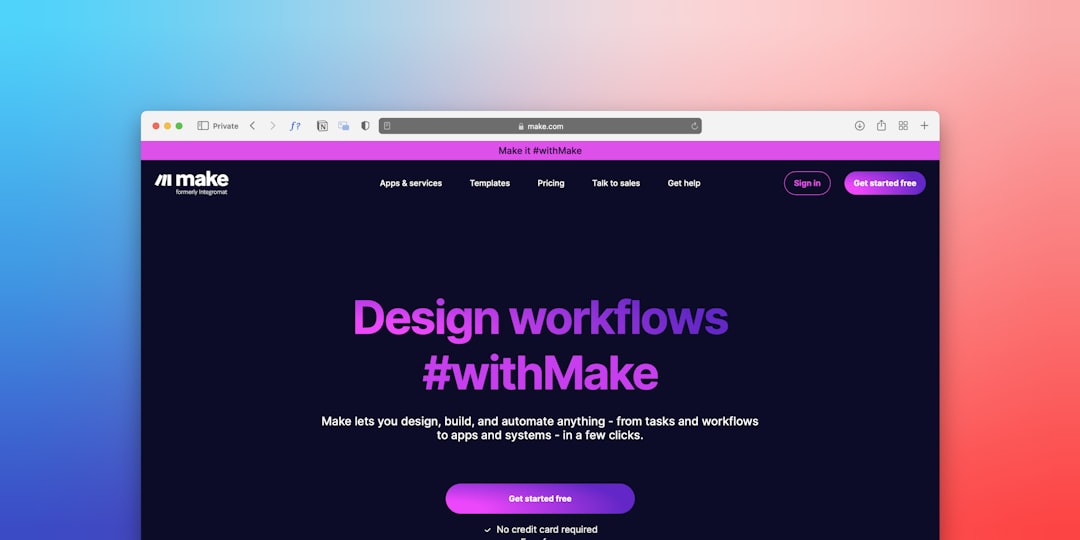
Why startups choose Webflow:
- Deep design control.
- Fast and clean code output.
- Powerful CMS.
- Great performance and SEO.
Webflow is perfect when your website is part of your product story.
In 2026, Webflow Logic helps founders automate actions without extra tools.
But be honest. There is a learning curve. It is not “click and forget.”
Best for: SaaS startups, funded teams, design-led products.
Framer: The Startup Darling
Framer exploded in popularity. And it keeps growing in 2026.
It started as a prototyping tool. Now it is a full website builder.
Framer feels fast. Modern. Fun.
Why Framer stands out:
- Extremely fast setups.
- Great animations.
- Built for marketing sites.
- Strong AI layout tools.
Many startups now launch entirely on Framer.
It is perfect for landing pages and early traction.
The limitation? Complex backend needs still require external tools.
Best for: Landing pages, tech startups, launch-focused teams.
WordPress: The Long-Term Champion
Yes. WordPress is still here.
And in 2026, it is better than ever.
WordPress powers a huge part of the web. That matters.
Why WordPress still wins:
- Endless plugins.
- Full ownership.
- Scales to millions of users.
- Great for SEO and content.
With modern page builders and block editors, WordPress is less scary now.
But it still needs maintenance. Hosting. Updates. Security.
This is not “set and forget.”
Best for: Content-heavy startups, marketplaces, long-term platforms.
Shopify: When Selling Comes First
If your startup sells products, stop searching.
Shopify is made for this.
In 2026, Shopify is more than ecommerce. It is a full business platform.
Shopify strengths:
- Rock-solid checkout.
- Inventory and shipping tools.
- App ecosystem.
- Global payments.
You can build a full brand site, not just a shop.
The tradeoff? Less freedom outside ecommerce use cases.
Best for: DTC startups, physical products, subscription boxes.
Quick Comparison Table in Words
If you like simple rules, here they are.
- Need speed? Wix or Framer.
- Need beauty? Squarespace or Framer.
- Need control? Webflow or WordPress.
- Need content scale? WordPress.
- Need ecommerce? Shopify.
Common Mistakes Startup Founders Make
Many founders choose poorly. Not because tools are bad. But because expectations are wrong.
Avoid these mistakes:
- Building too complex too early.
- Choosing a tool you cannot manage.
- Optimizing for features instead of speed.
- Ignoring future growth completely.
Remember. You can change platforms later. Launching late is worse than migrating later.
The Real Winner in 2026
There is no single best website builder.
The best one is the one you will actually use.
If your site is live. Clear. Fast. And helpful. You are winning.
In 2026, tools are powerful. AI helps more than ever. Design is easier. Hosting is faster.
Your job is simple.
Start now. Launch fast. Improve often.
That is how startups grow. And that is how the right website builder helps you win.