
Quick Response codes have evolved from a simple way to store URLs into a powerful bridge between physical and digital experiences. Today, businesses, educators, marketers, and developers rely on QR technology to deliver instant information, enable contactless interactions, and track engagement. With dozens of tools available, choosing the right platform can be overwhelming without a clear breakdown of features and use cases.
TLDR: QR code tools now support dynamic editing, analytics, branding, payments, and advanced integrations. The best platforms differ based on whether the goal is marketing, operations, education, or enterprise scale deployment. This curated list compares modern QR code generators and management systems by features, pricing flexibility, and ideal use cases. A comparison chart and FAQ section at the end simplify the selection process.
Below is a carefully curated list of QR code tools suited for modern needs, ranging from quick one-time generation to enterprise-grade campaigns.
1. QR Code Generator by The QR Code Generator
This widely recognized platform offers both static and dynamic QR codes, making it suitable for startups and established brands alike. Its dashboard allows users to edit destination links even after printing the code, which is invaluable for marketing campaigns.
- Best for: Marketing campaigns and branded materials
- Key features: Dynamic codes, scan analytics, custom colors, logo embedding
- Export formats: SVG, PNG, EPS
Its analytics suite provides insights into scan count, device type, and location, allowing marketing teams to refine their physical-to-digital strategies.
2. Beaconstac
Beaconstac positions itself as an enterprise-ready QR platform. It supports bulk generation, multi-user access, and advanced analytics integration.
- Best for: Enterprise campaigns and large organizations
- Key features: Role-based access, bulk creation, API access, retargeting integration
- Compliance: GDPR and SOC 2 compliant
Businesses that require secure workflows and team collaboration benefit most from Beaconstac’s structured management environment.
3. QR TIGER
QR TIGER is known for its versatility and affordability. It allows users to create QR codes for URLs, files, WiFi access, app downloads, menus, and even multi-URL redirection based on location or device.
- Best for: Restaurants, SMBs, and event organizers
- Key features: Dynamic QR editing, password protection, expiration settings
- Unique offering: Location-based redirection
This flexibility makes it particularly attractive for campaigns that need time-sensitive or geographically targeted messaging.
4. Flowcode
Flowcode emphasizes design-forward QR codes with strong branding capabilities. Influencers and consumer-facing brands often choose it for aesthetic customization.
- Best for: Influencers and lifestyle brands
- Key features: Custom patterns, shapes, and frames
- Analytics: Real-time scan tracking
Its platform enables seamless integration with social media tracking, making offline-to-online audience measurement straightforward.
5. Scanova
Scanova is a robust and scalable solution offering QR lifecycle management. It allows users to organize codes into folders and campaigns for easier control.
- Best for: Agencies and marketing teams
- Key features: Campaign tracking, lead generation forms, bulk operations
- Additional tools: Landing page creator
Its campaign organization features are especially helpful for agencies juggling multiple client projects.
6. QR Code Monkey
For users seeking a free and fast solution, QR Code Monkey remains a popular choice. While it focuses primarily on static QR codes, it allows high-resolution customization.
- Best for: Individuals and small, one-time uses
- Key features: High-resolution print files, color customization
- Limitations: No advanced analytics or dynamic editing
Its simple interface makes it ideal for quick turnaround projects such as flyers or business cards.
7. Unitag
Unitag adds a layer of visually rich design customization and mobile-first marketing integration.
- Best for: Promotional campaigns
- Key features: Visual customization, landing page builder, analytics
- Differentiator: Eye-catching designer templates
Its visual flexibility appeals particularly to brands that view QR codes as visual brand elements rather than purely functional tools.
Comparison Chart of Featured QR Code Tools
| Tool | Dynamic QR Codes | Analytics | Customization | Best For |
|---|---|---|---|---|
| QR Code Generator | Yes | Advanced | High | Marketing Teams |
| Beaconstac | Yes | Enterprise Level | Moderate | Large Organizations |
| QR TIGER | Yes | Advanced | High | Restaurants and SMBs |
| Flowcode | Yes | Real Time | Very High | Influencers |
| Scanova | Yes | Advanced | Moderate | Agencies |
| QR Code Monkey | No | Limited | High | Individuals |
| Unitag | Yes | Advanced | Very High | Promotional Campaigns |
Modern Use Cases for QR Code Tools
QR technology has expanded far beyond linking to a website homepage. Modern tools enable dynamic experiences across industries:
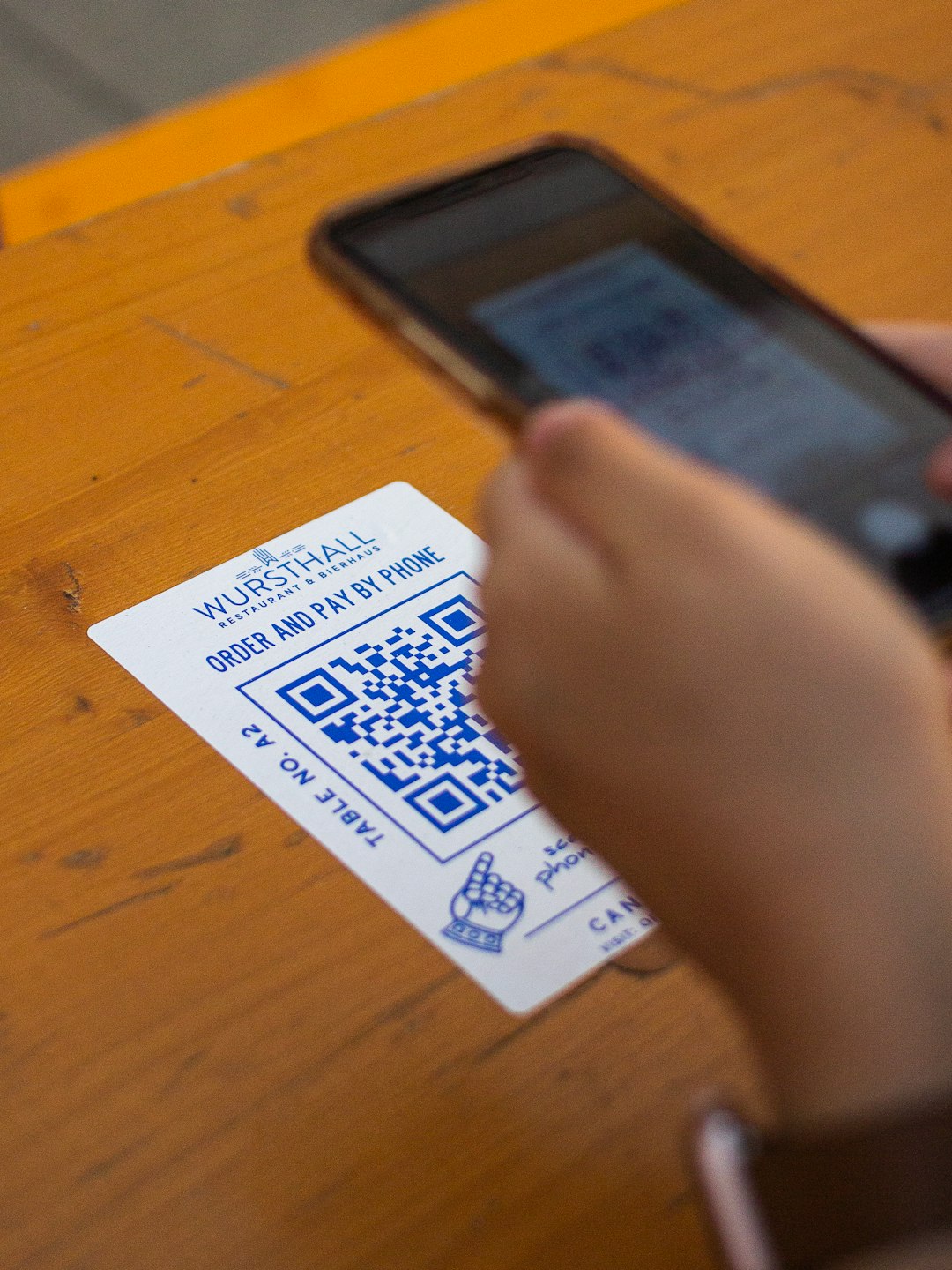
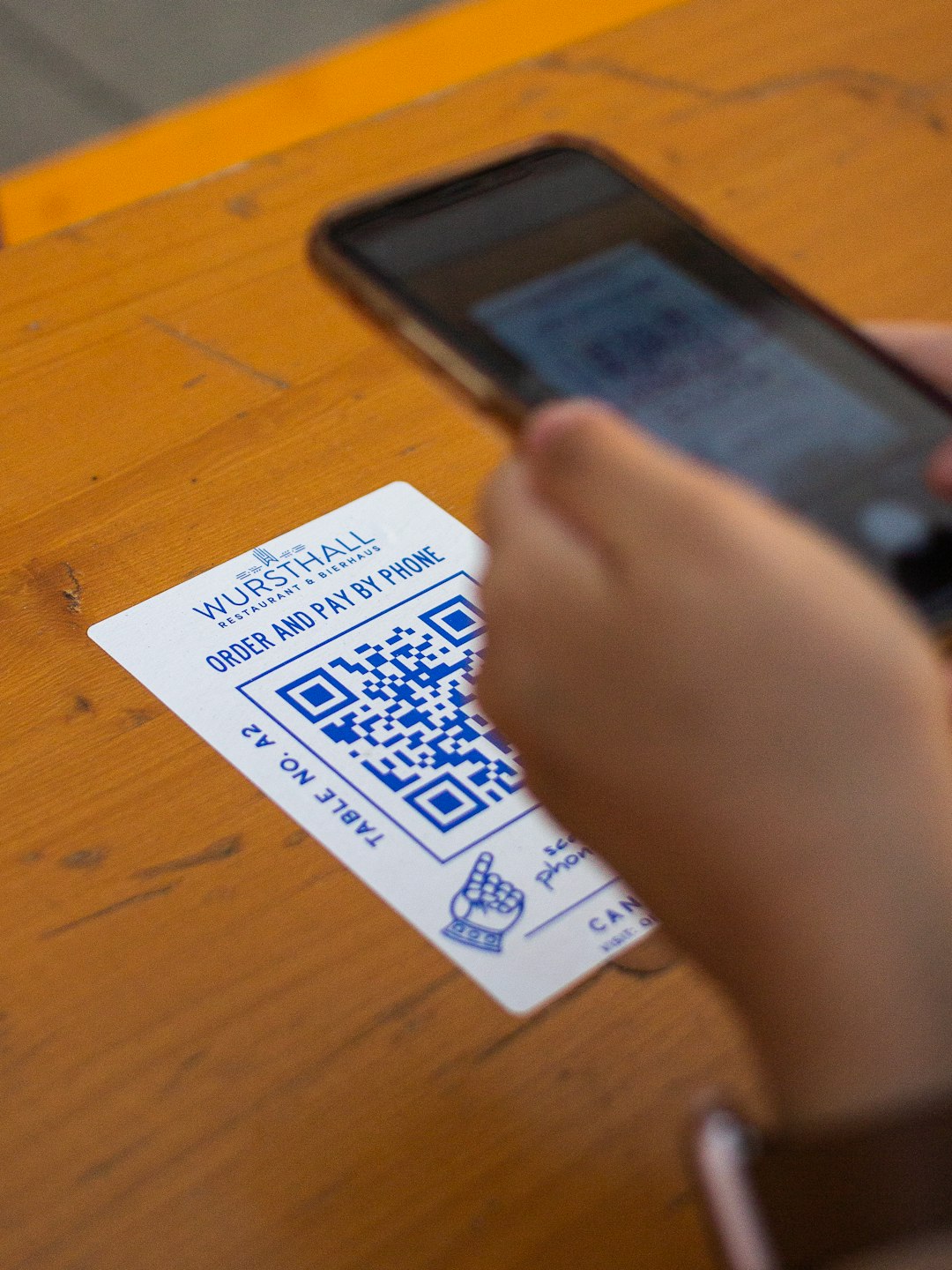
- Contactless Menus: Restaurants use editable QR menus to reduce printing costs.
- Event Check-ins: Organizers validate tickets instantly.
- Product Packaging: Brands link to tutorials, certifications, or promotions.
- Digital Business Cards: Professionals share contact information seamlessly.
- Payments: Mobile wallets integrate scannable payment codes.

In every case, the choice of tool depends on whether scalability, customization, analytics, or security is the primary concern.
Key Considerations When Choosing a QR Code Tool
When selecting a QR code platform, decision-makers often evaluate:
- Static vs Dynamic: Dynamic codes allow URL editing and tracking.
- Analytics Depth: Campaign measurement may require device, time, and geo data.
- Brand Customization: Logos, color schemes, and frames enhance recognition.
- Security and Compliance: Enterprise users require data privacy safeguards.
- Integration: CRM, email marketing, and retargeting support.
By weighing these factors against budget constraints and campaign goals, organizations can confidently narrow their options.
Frequently Asked Questions (FAQ)
1. What is the difference between static and dynamic QR codes?
Static QR codes contain fixed data that cannot be edited once created. Dynamic QR codes allow the destination content to be changed and typically include scan tracking analytics.
2. Are QR code generators free?
Many platforms offer free static QR code generation. Advanced features such as dynamic editing and analytics usually require a paid subscription.
3. Can branded QR codes still be scanned reliably?
Yes, as long as sufficient contrast and error correction levels are maintained. Most modern platforms automatically ensure scan reliability while allowing customization.
4. How secure are QR codes?
The QR code itself is not inherently secure or insecure. Security depends on the destination link and platform management features such as password protection and encrypted data handling.
5. Do QR codes expire?
Static QR codes typically do not expire. Dynamic QR codes may expire depending on the subscription plan or if users manually set expiration dates.
6. What industries benefit most from QR technology?
Retail, hospitality, education, healthcare, real estate, logistics, and marketing agencies benefit significantly from QR implementation.
QR codes remain one of the most adaptable tools for bridging offline engagement with digital interaction. Whether for a solo entrepreneur printing business cards or a multinational brand managing product launches across regions, the right QR code platform can transform a simple square graphic into a measurable and impactful communication channel. By understanding feature sets and aligning them with strategic needs, modern users can fully unlock the power of QR technology.