
Creating compelling action figure prompts with ChatGPT requires more than listing a character and a costume. It involves precise language, structured descriptions, and a clear understanding of visual storytelling. When done correctly, a well-crafted prompt can generate product-ready concepts, detailed collectible designs, or vivid visual mockups suitable for marketing and production planning.
TLDR: Creating effective action figure prompts with ChatGPT requires clarity, structure, and specificity. Focus on character details, pose, materials, scale, accessories, and packaging to produce high-quality outputs. Use structured templates and descriptive style cues to guide results. Avoid vague language and refine prompts iteratively for professional-grade designs.
Why Structure Matters in Action Figure Prompts
Large language models respond best to structured instructions. When prompting for action figure concepts, vagueness leads to generic results. Specificity, on the other hand, increases accuracy and detail.
A strong prompt clearly defines:
- Character identity (original, licensed-style, archetype)
- Scale and proportions (6-inch collector scale, 12-inch premium, stylized chibi)
- Art style (hyper-realistic, anime-inspired, comic book shading)
- Materials and finish (matte plastic, metallic paint, fabric cape)
- Pose and articulation (dynamic action stance, neutral museum pose)
- Accessories and packaging (weapon sets, interchangeable hands, window box design)
Without these elements, the output may lack production-level clarity.
Core Template for Action Figure Prompts
Below is a professional base template you can adapt for consistent results:
Create a detailed action figure concept of [character description].
Scale: [size and scale].
Style: [realistic, stylized, anime, comic inspired, etc.].
Pose: [describe pose and facial expression].
Outfit: [detailed clothing and textures].
Materials: [plastic type, paint finish, fabric elements].
Articulation: [number of points or flexible features].
Accessories: [weapons, interchangeable parts, stands].
Packaging: [box style, branding direction, display features].
Lighting and presentation: [studio lighting, dramatic shadows, product render style].
This structure ensures no essential production information is overlooked.
Example 1: Realistic Superhero Figure
Prompt Example:
Create a hyper-realistic 6-inch scale action figure of a futuristic vigilante.
Style: premium collector grade, realistic anatomy.
Pose: mid-leap action pose with flowing cape.
Outfit: armored tactical suit in matte black with metallic red accents and subtle battle wear.
Materials: high-density PVC body, soft goods fabric cape.
Articulation: 24 points of articulation including double-jointed knees and elbows.
Accessories: interchangeable masked and unmasked heads, grappling hook, display stand.
Packaging: black window box with minimalist red foil logo and character backstory.
Lighting: dramatic studio lighting with sharp shadows for promotional render.
This level of detail avoids ambiguity and yields a design ready for visualization or refinement.
Descriptive Depth: The Key to Professional Results
When writing action figure prompts, descriptive precision is critical. Replace vague terms like cool armor with specific phrases such as layered carbon fiber chest plating with brushed titanium shoulder guards.
Focus on five descriptive dimensions:
- Texture – glossy, matte, brushed metal, carbon fiber
- Color specificity – crimson red, slate gray, navy blue with gold trim
- Form – angular shoulder plates, tapered boots, oversized gauntlets
- Condition – battle damaged, factory fresh, weathered paint
- Finish – metallic sheen, pearlized gloss, flat matte coating
The more production-aware the language, the more believable the output.
Creating Stylized or Themed Figures
Not every action figure concept needs realism. Stylized prompts are equally powerful when properly guided.
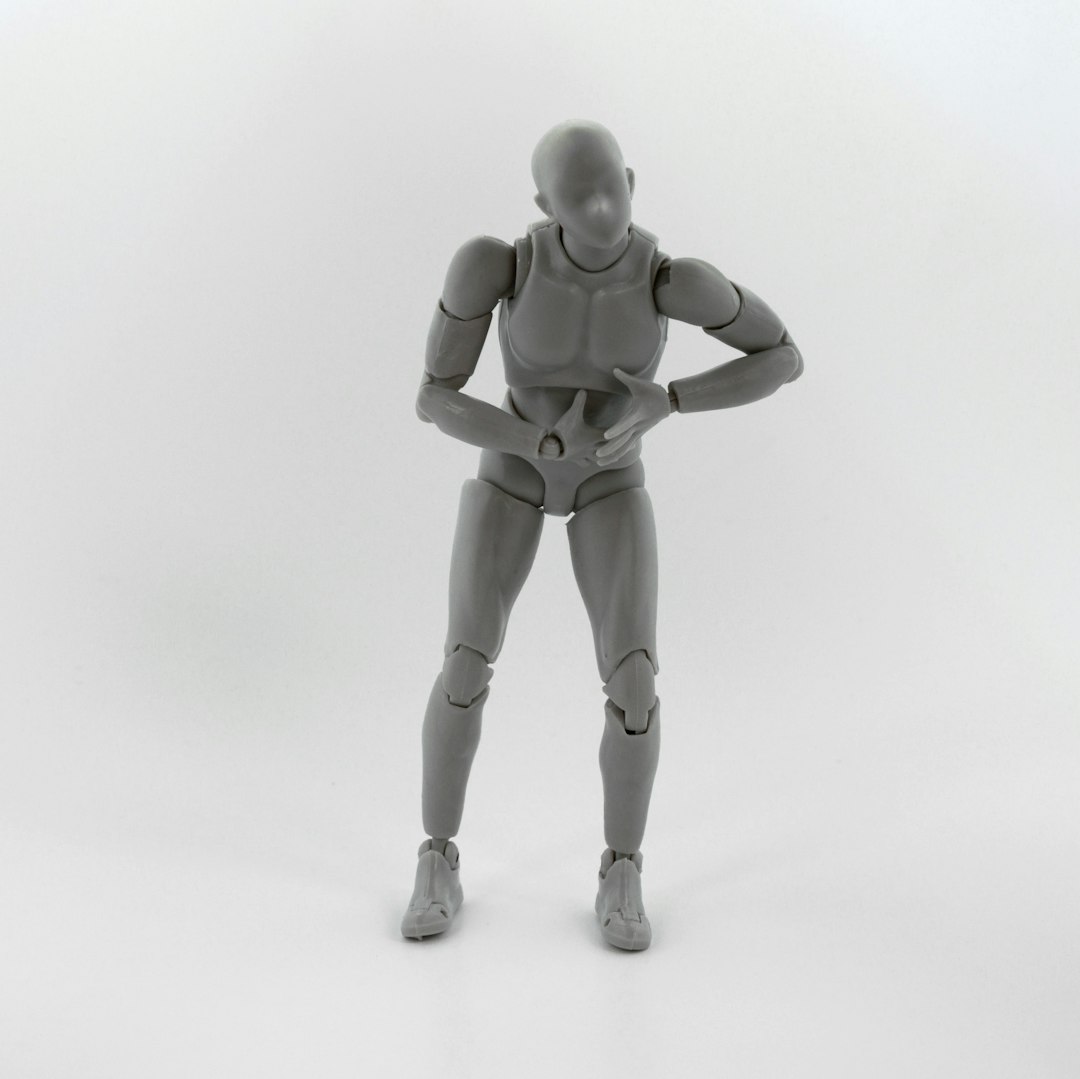
Example: Anime-Inspired Warrior
Design a stylized 7-inch anime-inspired warrior princess action figure.
Proportions: slightly exaggerated head and large expressive eyes.
Pose: confident standing pose with sword resting on shoulder.
Outfit: flowing fantasy armor in white and gold with translucent energy effects.
Materials: smooth glossy plastic body, translucent resin energy blade.
Articulation: hidden joints for seamless aesthetic.
Accessories: alternate smiling face, battle face, energy burst effect piece.
Packaging: vibrant illustrated box with fantasy themed typography.
Presentation: bright, high contrast lighting emphasizing color vibrancy.
Notice how proportions and facial design were specified. Stylization requires explicit direction to prevent default realism.
Packaging and Presentation Details
Professional action figure prompts often include packaging because it influences perceived value.
Consider describing:
- Box structure – window display, clamshell blister, magnetic flap box
- Branding aesthetic – retro 1980s toy line style, minimalist luxury
- Typography tone – bold comic lettering, sleek modern sans serif
- Insert artwork – illustrated backdrop, city skyline, cosmic theme
Including packaging elevates the concept from a character sketch to a market-ready collectible.
Advanced Prompt Techniques
To refine results, apply these advanced strategies:
1. Layered Instruction Blocks
Separate sections using clear labels such as Character, Materials, and Accessories. This prevents instruction blending.
2. Comparative References
Reference known production standards without naming brands directly. For example: premium collector grade similar to high-end limited edition figures. This signals quality level.
3. Constraint-Based Prompting
Adding constraints sharpens results:
- “Avoid overly bulky proportions.”
- “No bright colors; maintain muted tactical palette.”
- “Keep the sculpt realistic rather than cartoonish.”
4. Iteration Strategy
Create versioned prompts:
- Version A: Focus on sculpt detail.
- Version B: Emphasize accessories and weapon design.
- Version C: Refine packaging and branding.
Comparing iterations improves clarity and decision-making.
Common Mistakes to Avoid
Even small prompt weaknesses can produce diluted results.
- Overloading with conflicting styles – Avoid mixing realistic, chibi, gothic, cyberpunk, and medieval simultaneously without hierarchy.
- Ignoring scale – Size impacts proportion, articulation, and accessory feasibility.
- Neglecting articulation details – Serious collectors care about joint engineering.
- Using emotional adjectives only – Words like “awesome” lack design direction.
Precision always outperforms enthusiasm.
Collector-Grade Figure Template
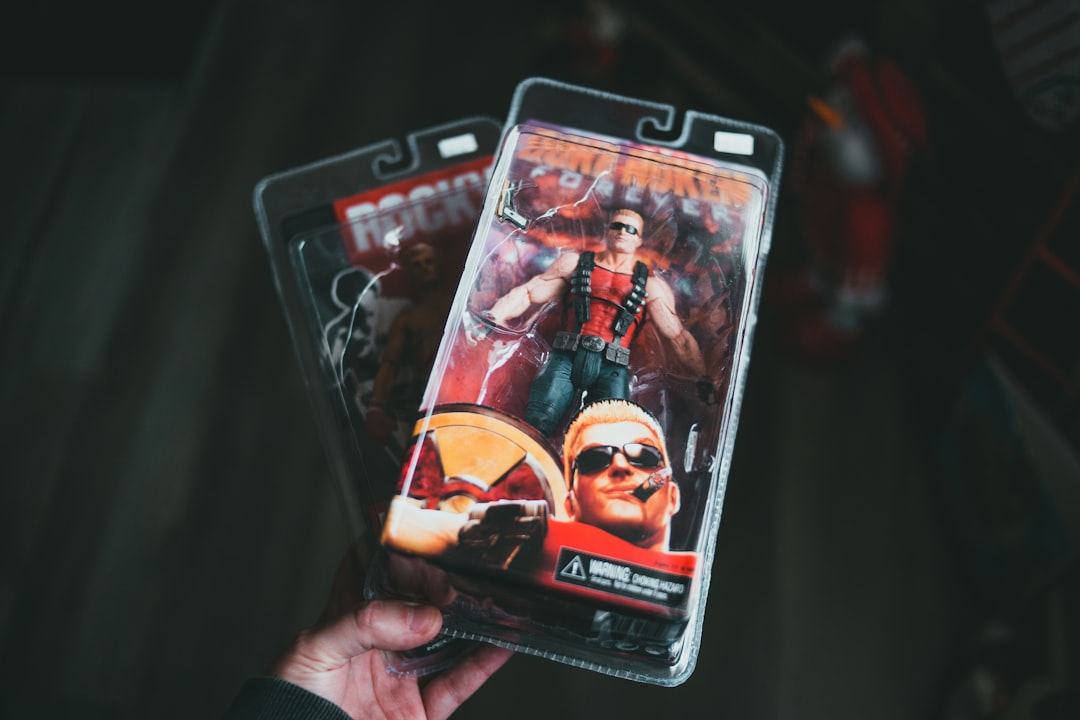
Develop a premium 12-inch collector grade action figure.

Character: original cybernetic bounty hunter.
Body type: athletic, realistic anatomy with subtle musculature.
Head sculpt: stern expression with removable helmet.
Armor: segmented chrome chest plate, navy tactical under-suit with textured fabric pattern.
Weathering: light edge wear and subtle battle scratches.
Articulation: 30 points including ankle pivot and torso crunch.
Accessories: plasma rifle, removable holster, alternate gripping hands, display base with engraved logo.
Packaging: rigid magnetic flap box with foam insert and character lore booklet.
Render style: professional product photography, neutral gray backdrop, soft diffused lighting.
This template supports retail previews, crowdfunding campaigns, or internal production briefs.
Balancing Creativity and Manufacturability
A common oversight in prompt writing is ignoring production feasibility. Designs that look impressive may be difficult to mold or assemble.
To maintain realism:
- Avoid ultra-thin floating elements without support.
- Be cautious with excessive micro-detail that cannot scale to 6-inch formats.
- Specify practical attachment methods for accessories.
Adding phrases like designed for realistic mass production encourages outputs grounded in manufacturable logic.
Style Direction Language That Improves Outcomes
Certain wording patterns consistently improve prompt performance:
- “Highly detailed sculpt with defined edges and layered textures.”
- “Balanced proportions suitable for retail collector market.”
- “Professional studio product render aesthetic.”
- “Subtle paint gradients for depth and realism.”
These phrases communicate specificity without overcomplicating the structure.
Final Thoughts
Creating action figure prompts with ChatGPT is both technical and creative. Precision in structure ensures completeness, while descriptive clarity ensures visual strength. By combining defined templates, material awareness, pose direction, and packaging details, you transform a basic character idea into a fully realized collectible concept.
Approach each prompt as if drafting instructions for a sculptor and a product designer simultaneously. Be exact, eliminate ambiguity, and iterate strategically. When applied consistently, this method produces credible, production-ready action figure concepts that stand at a professional standard.