
Modern hospitality businesses rely heavily on seamless digital experiences, and WordPress hotel booking plugins have evolved into sophisticated systems that rival standalone property management software. No longer limited to simple room reservations, these plugins now integrate automation, dynamic pricing, channel management, and advanced reporting tools. As competition in the hospitality sector intensifies, accommodation providers increasingly depend on these advanced features to streamline operations, maximize revenue, and enhance guest satisfaction.
TLDR: Modern WordPress hotel booking plugins go far beyond basic reservation forms. They offer automation, real-time availability syncing, dynamic pricing, secure payment processing, and channel integration. Advanced analytics and customization tools help hotel owners optimize operations and improve guest experience. These features transform a WordPress website into a powerful, fully functional booking platform.
1. Real-Time Availability and Inventory Management
One of the most critical advancements in modern booking plugins is real-time availability synchronization. Hotels, resorts, and vacation rental properties often list their rooms across multiple platforms. Advanced plugins ensure that room inventory is automatically updated whenever a booking is made, preventing the dreaded double booking scenario.
Through two-way synchronization with external platforms and direct website reservations, inventory control becomes seamless. Many plugins achieve this via:
- iCal synchronization for basic external calendar syncing
- API-based integrations for real-time channel updates
- Automated buffer management between bookings
These capabilities enable property managers to maintain full control over room types, seasonal restrictions, minimum stays, and blackout dates directly from the WordPress dashboard.
2. Dynamic Pricing and Rate Management
Static pricing is no longer sufficient in today’s competitive market. Modern plugins incorporate dynamic pricing engines that allow accommodations to adjust rates automatically based on predefined rules.
These rules may include:
- Seasonal demand fluctuations
- Weekend or holiday surcharges
- Length-of-stay discounts
- Early bird or last-minute offers
- Occupancy-based price adjustments
Advanced systems also allow rate variations across room types and guest numbers. For example, pricing can be adjusted dynamically for single occupancy versus family stays. This ensures that revenue opportunities are maximized without manual intervention.
Some high-end plugins even integrate with revenue management systems, enabling predictive pricing strategies based on historical data and booking trends.
3. Integrated Payment Gateways and Secure Transactions
Secure and flexible payment processing is another essential feature in modern hotel booking plugins. Guests expect convenience, whether paying deposits or full balances at checkout.
Advanced plugins typically support:
- Multiple payment gateways such as Stripe, PayPal, and Square
- Credit and debit card processing
- Partial payment or deposit collection
- Currency auto-detection
- Tax and fee automation
Most importantly, these systems ensure PCI-compliant security standards, protecting both guest data and hotel liability. Tokenized payment options are also available, enabling secure storage of payment information for future transactions or incidentals.
4. Channel Manager Integration
One of the most transformative innovations is the integration of channel management systems. This allows hotels to sync availability and pricing across major online travel agencies (OTAs) such as Booking.com, Airbnb, and Expedia.
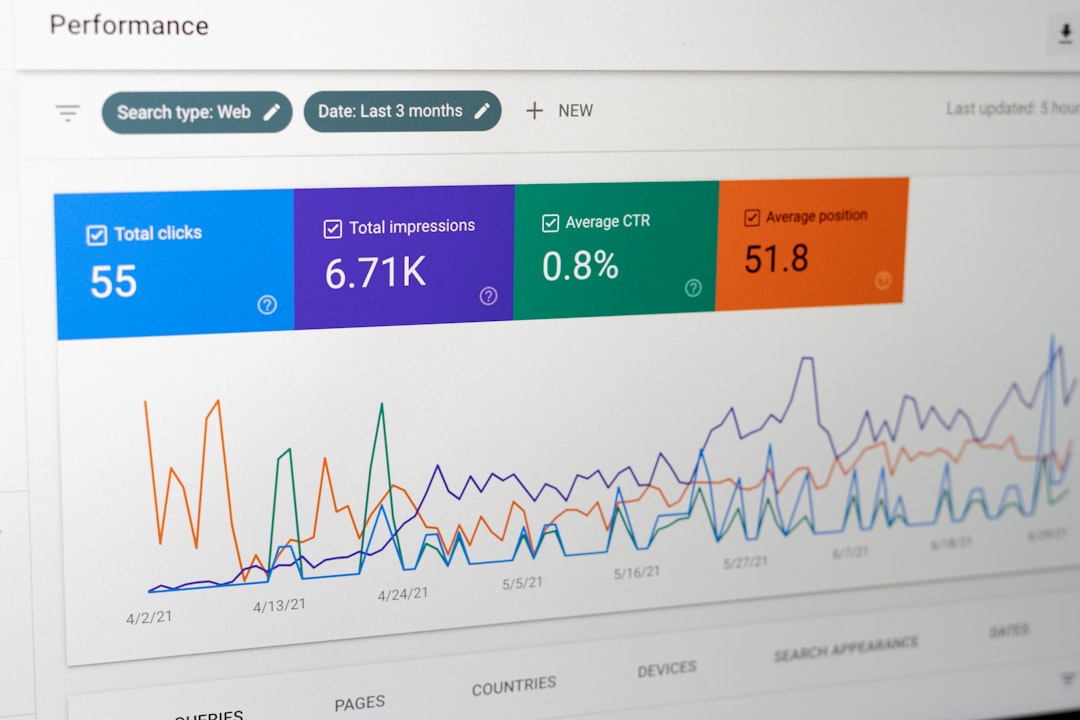
Instead of manually updating each platform, property managers can control everything from their WordPress dashboard. Key benefits include:
- Instant inventory updates across platforms
- Centralized pricing adjustments
- Reduced risk of overbooking
- Time-saving automation
This integration significantly enhances operational efficiency and helps properties maintain consistent branding and pricing strategies.
5. Customizable Booking Forms and UX Optimization
User experience is a critical factor in booking conversions. Modern WordPress plugins offer highly customizable booking forms tailored to different property types and guest journeys.
Advanced form features include:
- Conditional logic fields
- Add-on services such as spa treatments or airport transfers
- Coupon and promotional code support
- Multi-step booking processes
Mobile responsiveness is no longer optional. Today’s plugins are built with mobile-first design principles, ensuring smooth performance across smartphones and tablets.
Additionally, integrated upselling systems encourage guests to enhance their stay during the reservation process, increasing average booking value.
6. Automated Communication and Notifications
Guest communication automation is another standout feature. Automated email and SMS notifications keep both guests and staff informed at every stage of the booking lifecycle.
Modern systems can automatically send:
- Booking confirmation emails
- Pre-arrival instructions
- Payment reminders
- Post-stay review requests
Advanced personalization tokens allow messages to include guest names, room details, check-in instructions, and special offers. This level of communication improves trust and enhances the overall guest experience.
7. Multi-Property and Multi-Language Support
For hotel chains and property managers overseeing multiple locations, scalability is essential. Many advanced plugins support multi-property management from a single WordPress installation.
Features commonly include:
- Centralized dashboards
- Location-based pricing rules
- Unified reporting
- Individual property customization
Global tourism requires multilingual and multicurrency functionality. Modern plugins integrate seamlessly with translation tools, allowing accommodation providers to serve international audiences effortlessly.
Image not found in postmeta8. Reporting, Analytics, and Business Intelligence
Data-driven decisions are the foundation of successful hotel management. Advanced WordPress booking plugins now offer comprehensive reporting dashboards that provide real-time insights into performance metrics.
Reports typically include:
- Occupancy rates
- Revenue summaries
- Average daily rate (ADR)
- Customer booking trends
- Cancellation statistics
These analytics enable property managers to identify peak booking periods, optimize marketing campaigns, and refine pricing strategies. Exportable reports in CSV or PDF formats make accounting and financial forecasting easier.
9. Integration with Property Management Systems (PMS)
Some of the most advanced plugins integrate directly with external Property Management Systems (PMS). This creates a unified operational ecosystem, connecting front desk management, housekeeping scheduling, and booking data.
Through API connectivity, data flows seamlessly between systems, reducing manual data entry and administrative overhead. Housekeeping staff can receive automated room turnaround updates, and front-desk personnel can access booking histories instantly.
The result is improved operational efficiency and a more organized internal workflow.
10. Compliance, Security, and Legal Readiness
Modern booking plugins also assist with legal compliance requirements. Built-in features often include:
- GDPR consent checkboxes
- Automated tax calculations
- Configurable cancellation policies
- Secure data encryption
By addressing regulatory standards directly within the booking process, these plugins reduce the risk of non-compliance while maintaining transparency with guests.
Conclusion
Advanced features in modern WordPress hotel booking plugins have reshaped how accommodations manage reservations and interact with guests. By integrating automation, analytics, dynamic pricing, and secure transactions, these tools transform simple WordPress websites into comprehensive booking ecosystems.
What once required expensive standalone systems can now be achieved through flexible, scalable plugins. As technology continues to evolve, these solutions will likely become even more intelligent, incorporating artificial intelligence and predictive analytics to further optimize performance. For hospitality businesses seeking growth, efficiency, and enhanced guest satisfaction, leveraging advanced WordPress hotel booking features is no longer optional—it is essential.
Frequently Asked Questions (FAQ)
-
What is the main advantage of using an advanced WordPress hotel booking plugin?
The main advantage is automation and centralization. These plugins allow hotel owners to manage bookings, payments, pricing, and channel synchronization from one dashboard, increasing efficiency and reducing errors. -
Can these plugins prevent double bookings?
Yes. With real-time availability synchronization and channel manager integration, modern plugins automatically update room inventory across all connected platforms. -
Are WordPress hotel booking plugins secure for online payments?
Most advanced plugins integrate with secure, PCI-compliant payment gateways and use encryption to protect sensitive guest data. -
Do these plugins support multiple languages and currencies?
Yes. Many advanced booking plugins offer multilingual compatibility and automatic currency conversion to support international guests. -
Can small hotels benefit from advanced booking features?
Absolutely. Even small boutique hotels and vacation rentals can leverage dynamic pricing, automation, and reporting tools to improve efficiency and increase revenue.