
Modern applications are expected to be fast, reliable, and always available. Yet as software architectures evolve into distributed systems powered by microservices, containers, and serverless functions, monitoring performance becomes increasingly complex. This is where Application Performance Monitoring (APM) tools step in. They provide deep visibility into metrics, traces, logs, and user experience—helping teams detect issues early and resolve them before customers are affected.
TL;DR: Application Performance Monitoring tools with real-time metrics and tracing are essential for maintaining performance in complex modern systems. Tools like Datadog, New Relic, Dynatrace, and Elastic APM offer comprehensive observability features, including distributed tracing and AI-driven insights. Choosing the right platform depends on your infrastructure, scalability needs, and budget. Real-time visibility reduces downtime, improves user experience, and accelerates troubleshooting.
Below are four powerful APM tools that stand out for their real-time metrics, distributed tracing capabilities, and intelligent diagnostics.
1. Datadog APM
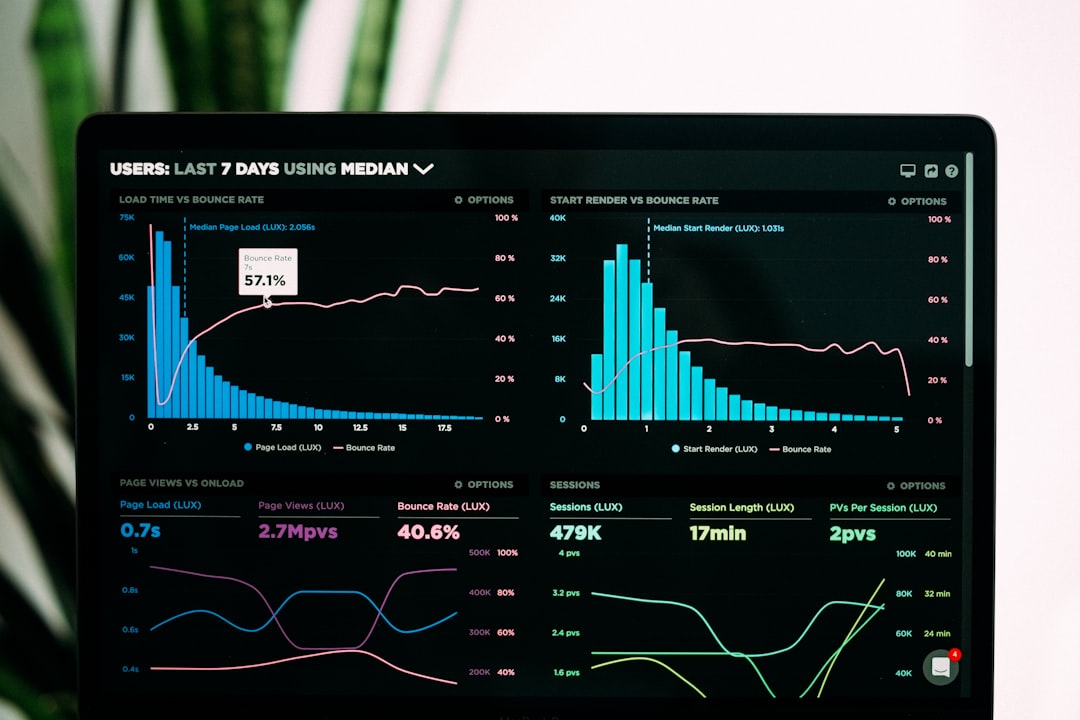
Datadog has become a leading observability platform due to its extensive integrations and real-time monitoring capabilities. Designed for cloud-native environments, Datadog provides deep visibility across services, containers, databases, and cloud providers.
Key Features:
- Real-time distributed tracing across microservices
- End-to-end transaction visibility
- Automatic dependency mapping
- AI-powered anomaly detection
- Integration with over 600 technologies
Datadog excels in environments running Kubernetes, Docker, AWS, Azure, or Google Cloud. Its tracing capabilities allow developers to follow requests across services, pinpoint latency issues, and identify bottlenecks within milliseconds.
The platform’s Service Map dynamically visualizes dependencies, making it easier to understand service interactions. This becomes particularly valuable in environments with hundreds of microservices.
Best suited for: DevOps teams managing complex cloud-native architectures who require strong integration capabilities and scalable monitoring.
2. New Relic
New Relic is one of the most recognized names in APM. With its unified observability platform, New Relic provides full-stack monitoring, combining metrics, traces, logs, and user experience data in a single interface.
Key Features:
- Full-stack observability in one platform
- Real-time tracing with detailed transaction breakdowns
- Custom dashboards and query language (NRQL)
- Browser and mobile monitoring
- Infrastructure and Kubernetes monitoring
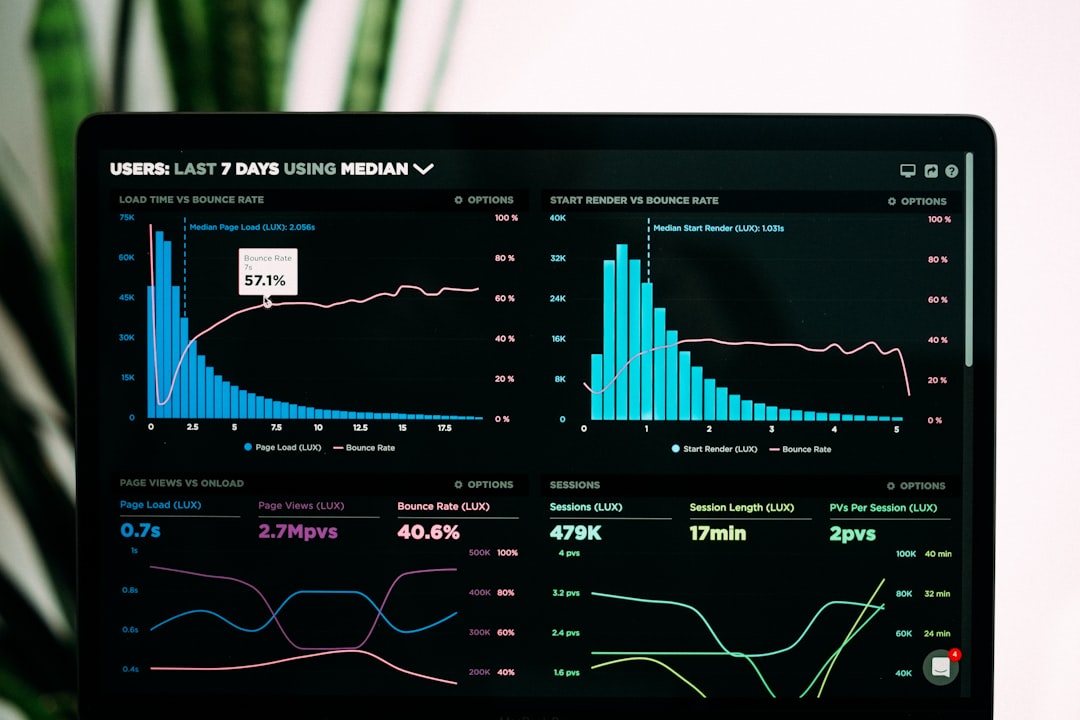
What sets New Relic apart is its powerful querying capability. Teams can write custom queries to slice and analyze performance data in real time. Its distributed tracing visualizes every segment of a transaction, highlighting where delays occur.
New Relic also integrates digital experience monitoring, allowing organizations to correlate backend slowdowns with frontend performance issues.
Best suited for: Organizations that require deep analytics capabilities and unified visibility across application, infrastructure, and user experience layers.
3. Dynatrace
Dynatrace differentiates itself with its strong emphasis on automation and AI-driven insights. Powered by its proprietary AI engine (Davis AI), Dynatrace automatically detects anomalies, identifies root causes, and provides clear guidance for resolution.
Key Features:
- Automatic instrumentation with OneAgent
- AI-based root cause analysis
- Real-time distributed tracing
- Smart dependency mapping
- Cloud-native and hybrid environment support
One of Dynatrace’s strengths is automatic discovery. Once deployed, it identifies services, containers, processes, and dependencies without manual configuration. This significantly reduces setup time.
Its AI analyzes billions of dependencies and metrics in real time, minimizing alert noise and directing teams straight to the source of a performance issue. This makes Dynatrace particularly appealing for enterprises managing large-scale, distributed systems.
Best suited for: Large enterprises seeking automation, minimal manual configuration, and AI-powered troubleshooting.
4. Elastic APM
Elastic APM is part of the Elastic Stack (Elasticsearch, Logstash, Kibana). It offers a flexible and cost-effective solution for organizations that already use Elastic for log management or search capabilities.
Key Features:
- Open-source core
- Distributed tracing across services
- Custom visualizations in Kibana
- Integration with logs and infrastructure metrics
- Lightweight agent deployment
Elastic APM shines in environments that prioritize customization and open-source flexibility. Since it integrates natively with Elasticsearch, teams can correlate application performance data with logs for in-depth analysis.
Image not found in postmetaWhile it may require more configuration compared to fully managed SaaS tools, Elastic APM provides impressive control and scalability at a lower cost.
Best suited for: Teams comfortable with managing their own infrastructure and seeking flexible, open-source-driven monitoring.
Comparison Chart
| Feature | Datadog | New Relic | Dynatrace | Elastic APM |
|---|---|---|---|---|
| Real-Time Metrics | Yes | Yes | Yes | Yes |
| Distributed Tracing | Advanced | Advanced | AI Enhanced | Comprehensive |
| AI Root Cause Analysis | Anomaly Detection | Basic Alerts | Advanced AI Engine | Limited |
| Deployment Model | SaaS | SaaS | SaaS / Managed | Self Managed / Cloud |
| Ease of Setup | Moderate | Moderate | High Automation | Technical Setup Required |
| Best For | Cloud Native Teams | Full Stack Visibility | Enterprise Automation | Open Source Flexibility |
Why Real-Time Metrics and Tracing Matter
Traditional monitoring often relied on static thresholds and periodic checks. In contrast, modern APM tools provide real-time observability, enabling teams to:
- Detect anomalies immediately
- Trace requests across distributed systems
- Resolve performance issues faster
- Reduce Mean Time to Resolution (MTTR)
- Improve overall customer experience
Distributed tracing, in particular, has transformed application diagnostics. Instead of guessing which service may be responsible for latency, teams can see the full journey of a request through multiple services and infrastructure layers.
This is especially critical for e-commerce platforms, SaaS providers, fintech applications, and any service where downtime directly impacts revenue and trust.
How to Choose the Right APM Tool
Selecting an APM tool depends on several factors:
- Infrastructure complexity: Are you running microservices and Kubernetes, or a monolithic application?
- Team expertise: Do you prefer managed services or customizable open-source tools?
- Budget: SaaS platforms offer convenience, while open-source solutions may reduce licensing costs.
- Automation needs: AI-driven platforms reduce manual troubleshooting.
For organizations prioritizing automation and enterprise-grade scalability, Dynatrace stands out. For integration-heavy cloud ecosystems, Datadog is compelling. If full-stack visibility and advanced queries are important, New Relic provides flexibility. For cost-conscious teams comfortable with customization, Elastic APM is a strong contender.
Final Thoughts
Application performance is no longer just a technical metric—it’s a business imperative. Users expect instant responses, and competitors are only a click away. Real-time metrics and distributed tracing empower organizations to move from reactive firefighting to proactive optimization.
The four APM tools outlined here each offer robust monitoring capabilities, but their strengths align with different operational needs. By understanding your architecture, growth trajectory, and monitoring maturity, you can select a solution that not only tracks performance but actively enhances reliability and user satisfaction.
In a world of increasingly distributed systems, observability is not optional—it’s foundational.