


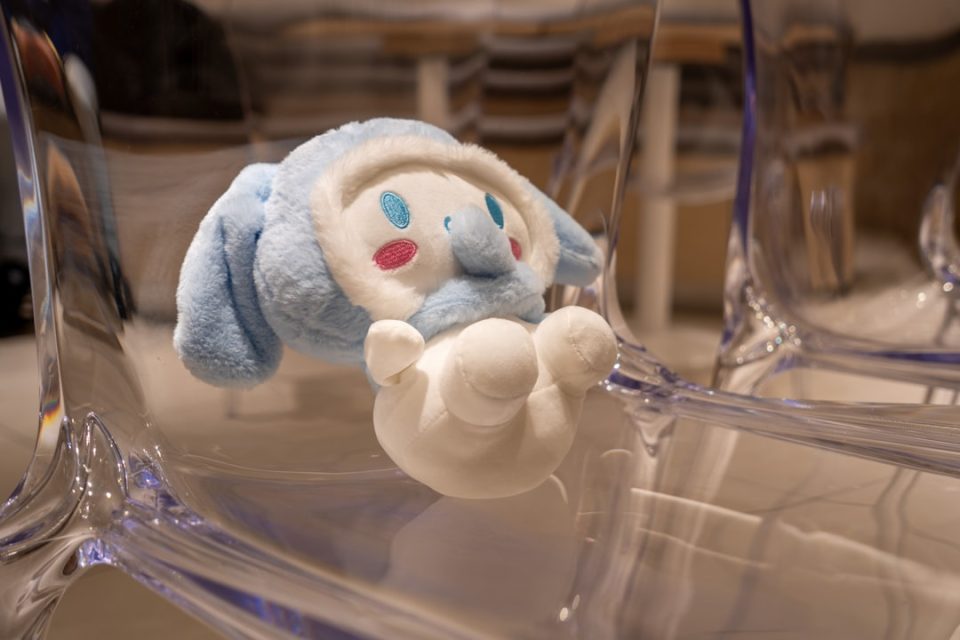
From café merchandise displays to viral social media posts, cute characters have become a powerful cultural force. Among them, Sanrio’s Cinnamoroll stands out as a gentle yet influential icon whose soft colors, floppy ears, and sweet personality resonate with fans of all ages. The growing affection for characters like Cinnamoroll is not a passing trend, but a reflection of deeper emotional, social, and technological shifts shaping how people seek comfort and connection both offline and online.
TLDR: Cute characters like Cinnamoroll win hearts because they offer comfort, positivity, and emotional safety in an often stressful world. Their simple designs and kind personalities translate easily across digital platforms and physical products. Fans connect with them not just as mascots, but as emotional companions that bridge online communities and offline experiences.
To understand why cute characters have such enduring appeal, it helps to look at the psychology behind “cuteness.” Researchers often link cute imagery to the baby schema effect, a set of features like big eyes, rounded shapes, and small noses that trigger nurturing instincts in humans. Characters like Cinnamoroll are deliberately designed with these traits, making them instantly approachable and emotionally disarming. When people encounter them, they feel a small but genuine sense of warmth and safety.
This emotional response becomes especially powerful in times of uncertainty. In a fast-paced world filled with constant news updates, social pressures, and digital overload, cute characters offer a visual and emotional pause. Cinnamoroll’s story, a shy puppy who loves making friends and floating through the sky, provides a calming narrative that contrasts sharply with everyday stress. Fans often describe these characters as comforting presences rather than mere illustrations.

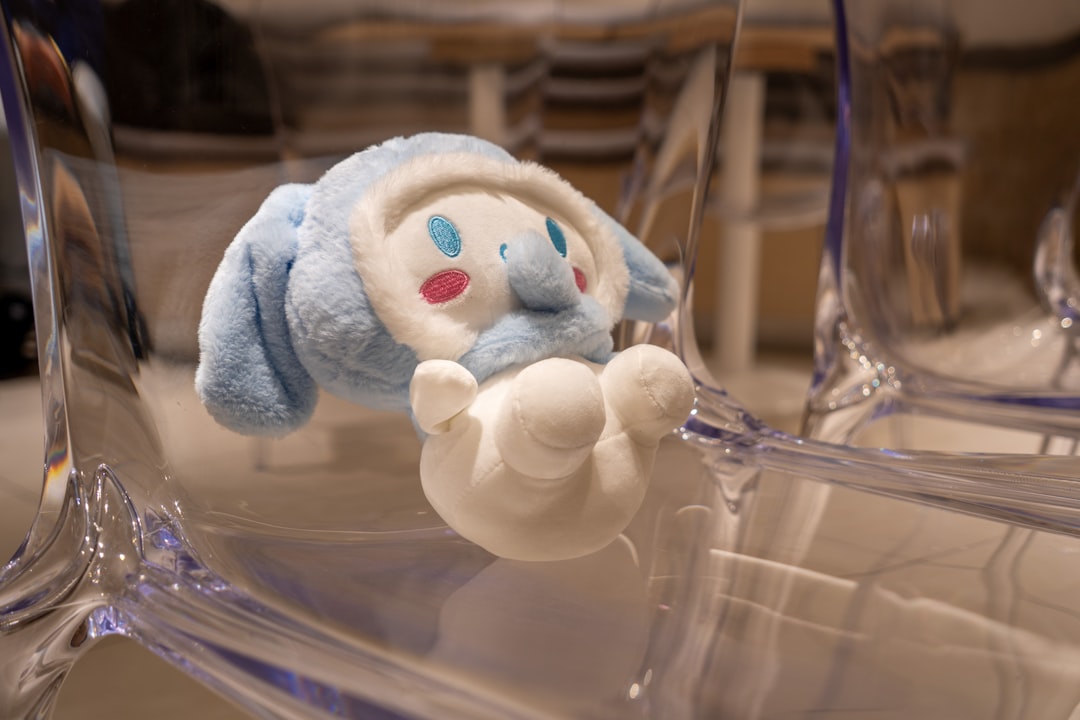
Offline, the appeal of cute characters is highly tangible. Merchandise plays a massive role, from plush toys and stationery to clothing collaborations and themed cafés. Buying a Cinnamoroll plush is not just a purchase; it is an emotional experience. The object becomes a companion on desks, beds, or in bags, silently offering reassurance. These physical items anchor positive emotions to real-world spaces, reinforcing the bond between fan and character.
The offline experience is also social. Visiting character-themed pop-up shops or cafés allows fans to meet others who share similar interests. These spaces are carefully designed to feel immersive and welcoming, often featuring soft lighting, gentle music, and coordinated pastel interiors. Fans take photos, share them online, and relive the experience later, extending the joy beyond the physical visit.
Online, cute characters thrive even more. Social media platforms like Instagram, TikTok, and X allow characters such as Cinnamoroll to exist as digital personalities. Official accounts post short animations, illustrations, and uplifting messages that feel personal and timely. Fans engage by sharing memes, fan art, and everyday photos featuring their favorite characters, turning them into part of daily digital communication.
One reason these characters perform so well online is their adaptability. Cinnamoroll can appear in a short motivational post just as easily as in a humorous meme or seasonal illustration. This flexibility allows fans to express a wide range of emotions without exposing too much of themselves. Sharing a cute image can sometimes feel safer than sharing personal thoughts, making these characters ideal tools for self-expression.


The sense of community built around cute characters is another key factor in their success. Fans often identify strongly with the values embodied by these mascots, such as kindness, friendship, and empathy. Online spaces dedicated to Cinnamoroll and similar characters tend to be supportive and low-conflict, offering a refreshing alternative to more argumentative corners of the internet. These communities create a shared emotional language grounded in positivity.
Cute characters also benefit from nostalgia while remaining relevant. For many adults, characters like Cinnamoroll are linked to childhood memories of stationery sets, cartoons, or early internet fandoms. Reconnecting with them as adults creates a comforting sense of continuity. At the same time, modern designs, digital storytelling, and collaborations with contemporary brands keep the characters fresh and appealing to younger audiences.
Importantly, the appeal of cute characters is no longer limited by age or gender. While they were once marketed primarily toward children, today’s fan base is diverse. Adults openly display their love for characters like Cinnamoroll at work, on social profiles, and in home décor. This shift reflects a broader cultural acceptance of joy and softness as strengths rather than signs of immaturity.
Brands have recognized this shift and now treat cute characters as lifestyle symbols rather than novelty items. Collaborations with fashion labels, tech accessories, and even wellness products position characters like Cinnamoroll as part of everyday adult life. Wearing or using these products becomes a subtle statement: an embrace of warmth, self-care, and emotional authenticity.
Image not found in postmetaAnother reason fans connect deeply with cute characters is their consistent emotional reliability. Unlike real people or influencers, characters like Cinnamoroll never age, argue, or betray expectations. Their personalities remain stable, kind, and predictable. In a world where relationships can be complex and demanding, this consistency is deeply soothing.
Technology further amplifies this effect. Digital stickers, messaging app themes, and virtual avatars allow fans to integrate cute characters directly into their daily routines. Sending a Cinnamoroll sticker in a chat is a quick way to convey affection, apology, or encouragement. These small interactions accumulate, embedding the character into everyday emotional exchanges.
Economically, cute characters are also successful because they encourage long-term engagement rather than one-time purchases. Fans do not simply buy one product and move on. They follow releases, collect variations, and participate in seasonal events. This ongoing relationship benefits both brands and fans, creating a cycle of anticipation and emotional reward.
At a deeper level, the popularity of characters like Cinnamoroll reflects a cultural longing for gentleness. As societies increasingly value productivity and efficiency, cute characters quietly push back by celebrating rest, kindness, and emotional openness. They remind fans that it is okay to slow down, to care deeply, and to find joy in small, soft moments.
Ultimately, cute characters win hearts because they meet people where they are emotionally. Offline, they provide comfort through physical presence and shared experiences. Online, they foster expression, community, and connection with minimal emotional risk. Cinnamoroll’s enduring popularity is not just about design or marketing, but about the universal human need for warmth, safety, and simple happiness.
As long as people continue to seek balance in a complex world, characters like Cinnamoroll will remain close companions, floating gently between the digital and physical realms, reminding fans that sweetness and strength can coexist.