


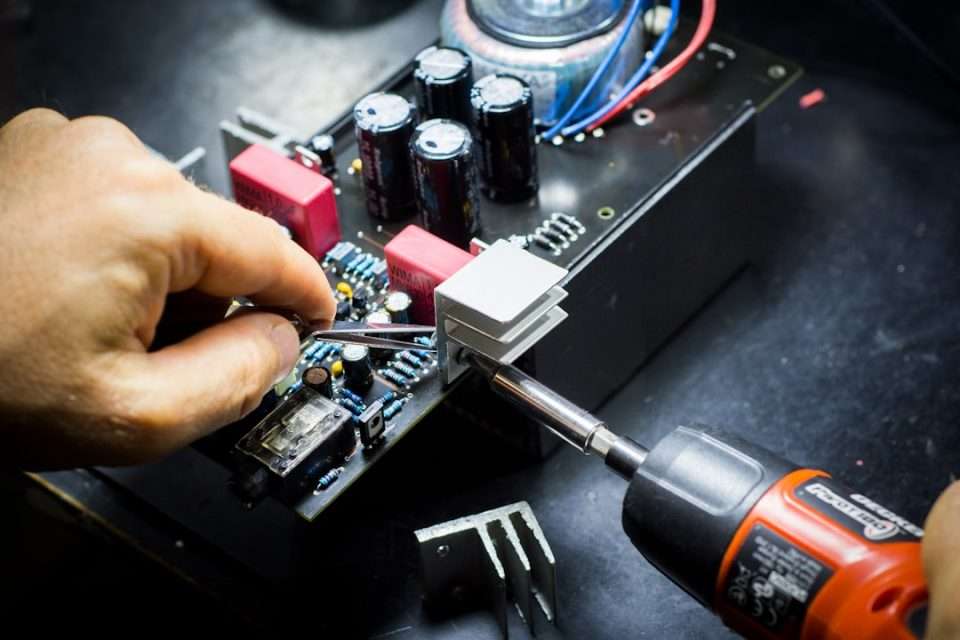
Imagine you buy a shiny new washing machine. It arrives. It works. You are happy. Then, six months later, it starts making a noise like a tiny robot is trapped inside. What happens next? That is where after-sales supply chain management enters the story. It is the system that helps companies support products after customers buy them.
TLDR: After-sales supply chain management is all about helping customers after a product has been sold. It includes spare parts, repairs, returns, warranties, service teams, and customer support. A good after-sales supply chain keeps customers happy, saves money, and protects a brand’s reputation. In short, it is the “we still care” part of business.
So, What Does “After-Sales” Mean?
After-sales means everything that happens after a customer buys something. The sale is not the end. It is more like the start of a relationship.
Think of it like adopting a puppy. Buying the puppy is one moment. But then comes food, vet visits, toys, training, and the mysterious sock-eating phase. Products are similar. They need care too.
After-sales support can include:
- Repairs when something breaks.
- Spare parts when a piece is missing or worn out.
- Returns when a customer sends a product back.
- Warranty service when a product is covered by a guarantee.
- Technical support when customers need help.
- Maintenance to keep products working well.
- Recycling or proper disposal at the end of a product’s life.
All of these things need planning. They need people. They need parts. They need warehouses. They need delivery trucks. They need data. That whole system is called after-sales supply chain management.
The Simple Definition
After-sales supply chain management is the process of managing goods, parts, information, and services after a product has been sold.
It makes sure the right part gets to the right place at the right time. It also makes sure the right person knows what to do.
That may sound simple. It is not always simple. A company may sell products in many countries. Each product may have hundreds of parts. Some parts may be tiny. Some may be huge. Some may sit in storage for years. Others may be needed every day.
Now add angry customers, late deliveries, broken machines, warranty rules, and repair technicians with busy schedules. Suddenly, it feels like juggling flaming pineapples.
But when it works well, it feels smooth. The customer calls. The part is found. The repair is booked. The product is fixed. Everyone breathes again.

Why Is It Important?
Here is the big secret. Customers often remember what happens after the sale more than the sale itself.
A friendly salesperson is nice. A cool website is nice. A fancy box is nice. But if the product breaks and nobody helps, the customer will not be singing happy songs.
Good after-sales supply chain management helps companies:
- Keep customers happy.
- Build trust.
- Reduce repair delays.
- Control costs.
- Reduce waste.
- Improve product quality.
- Win repeat business.
It also protects the brand. A company with fast support feels reliable. A company with slow support feels risky.
Think about cars. People do not just buy a car. They also think about spare parts, service centers, roadside help, and warranty coverage. A car with poor after-sales support can become a very expensive garden statue.
The Main Parts of After-Sales Supply Chain Management
After-sales supply chain management has several moving parts. Like a sandwich with many layers. A very organized sandwich.
1. Spare Parts Management
This is a huge part of after-sales work. Companies must keep spare parts ready. But they cannot keep too many. That costs money. They also cannot keep too few. That causes delays.
The trick is balance.
For example, a phone company may need screens, batteries, speakers, buttons, and tiny screws. A factory machine company may need motors, belts, sensors, and metal arms. A coffee machine company may need pumps, tubes, filters, and little plastic bits that somehow matter a lot.
Spare parts must be stored, counted, shipped, and tracked. If one tiny part is missing, the whole repair may stop.
2. Reverse Logistics
Reverse logistics means products move backward through the supply chain.
Normal logistics says, “Product goes to customer.” Reverse logistics says, “Product comes back.”
This happens when customers return items. It also happens when broken products go back for repair. Sometimes products are returned for recycling or replacement.
Reverse logistics can be messy. Returned products may be damaged, opened, missing pieces, or perfectly fine. Each one needs to be checked.
Companies must decide:
- Can this item be repaired?
- Can it be resold?
- Should it be recycled?
- Should it be scrapped?
- Is the return covered by warranty?
It is like sorting a giant pile of mystery boxes. Some hold treasure. Some hold problems.
3. Warranty Management
A warranty is a promise. It says the company will fix or replace something if it fails within a certain time.
Warranty management makes sure that promise is handled fairly and quickly.
The company must check the purchase date. It must check what is covered. It must check the problem. Then it must approve or reject the claim.
This can be simple. It can also be tricky. What if the customer dropped the product into a swimming pool? What if the part failed on its own? What if the receipt is missing? What if the cat is somehow involved?
Good warranty management keeps the process clear. It helps customers know what to expect.
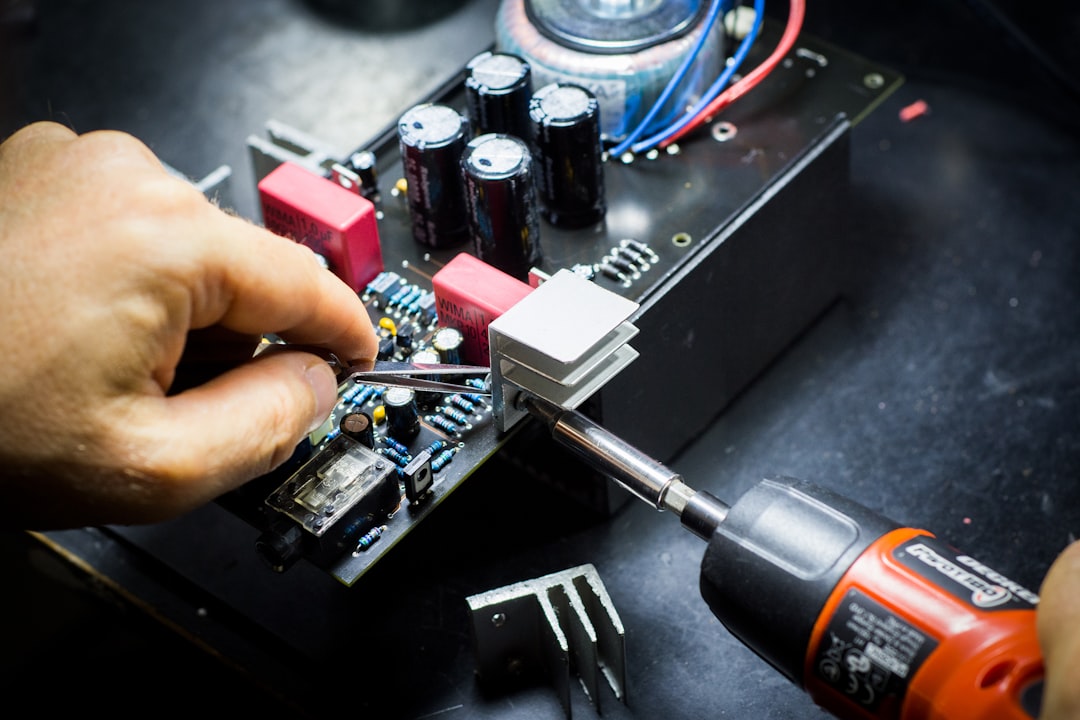
4. Repair and Service Operations
Repairs need people and tools. They also need schedules.
A company may use service centers. It may send technicians to homes. It may work with local repair partners. Each model needs coordination.
A good system answers questions like:
- Who will do the repair?
- When will they do it?
- Which parts are needed?
- Where are those parts now?
- How long will the repair take?
If the technician arrives without the right part, everyone loses time. The customer sighs. The technician sighs. The product continues being useless. Nobody wants this.
5. Customer Support
Customer support is the human voice of the after-sales chain.
Support teams answer calls, emails, chats, and messages. They help customers explain the problem. They create service tickets. They check order status. They calm people down when the blender starts smoking during breakfast.
Great customer support needs accurate information. If the support team cannot see repair status or part availability, they are stuck guessing. Guessing is not a strategy. It is a coin toss in a business suit.


How It Works in Real Life
Let’s follow a simple example.
A customer buys a fancy office printer. For three months, all is well. Then the paper tray breaks. The customer contacts support.
Here is what may happen next:
- The support team creates a service request.
- The system checks the warranty.
- The problem is matched to a likely spare part.
- The warehouse checks if the part is in stock.
- A technician is scheduled.
- The part is shipped to the technician or customer.
- The technician fixes the printer.
- The repair is recorded in the system.
- The company uses the data to spot product issues.
That is after-sales supply chain management in action. It is not glamorous. But it is powerful.
If this process is fast, the customer is happy. If it is slow, the customer may start glaring at the printer like it personally betrayed them.
Data Makes the Magic Better
Modern after-sales supply chains run on data. Lots of it.
Companies track which products break. They track which parts fail most often. They track repair times. They track returns. They track customer complaints. They track warranty costs.
This data helps them make smarter decisions.
For example:
- If one part fails often, engineers can improve the design.
- If one region needs many repairs, more parts can be stored nearby.
- If a repair takes too long, the process can be improved.
- If returns are high, product instructions may need to be clearer.
Data turns “something feels wrong” into “here is the exact problem.” That is a big upgrade.
The Challenge of Spare Parts
Spare parts are sneaky. They seem small. But they can create big headaches.
Some parts are cheap but needed often. Some parts are expensive but rarely used. Some parts become outdated. Some parts must be available for years, especially for cars, machines, and medical equipment.
Companies must predict demand. This is hard because nobody knows exactly when products will break.
It is like trying to predict when your umbrella will flip inside out. You can guess. But the sky has opinions.
To manage spare parts well, companies use:
- Forecasting to predict future needs.
- Inventory planning to keep the right stock levels.
- Regional warehouses to speed up delivery.
- Supplier partnerships to get parts faster.
- Tracking systems to know where parts are.
After-Sales Is Also About Sustainability
After-sales supply chain management can help the planet too.
When products are repaired, they last longer. When parts are reused, less waste is created. When items are recycled properly, fewer materials go to landfills.
This is important. Many customers care about sustainability. Companies care too, because waste can be expensive.
A strong after-sales chain can support:
- Repair instead of replacement.
- Refurbished products.
- Used part recovery.
- Responsible recycling.
- Lower transport waste.
It gives products a second life. Sometimes even a third. Like a superhero movie franchise, but with fewer explosions.

Common Problems Companies Face
After-sales supply chain management can be difficult. Here are common problems:
- Parts are out of stock. Repairs get delayed.
- Too many parts are stored. Money gets trapped in inventory.
- Customer data is unclear. Support becomes slow.
- Returns are hard to process. Warehouses get crowded.
- Service teams are not coordinated. Appointments get missed.
- Warranty rules are confusing. Customers get frustrated.
- Old products still need support. Parts become hard to find.
These problems are not small. They can cost a lot of money. They can also damage customer loyalty.
What Makes a Great After-Sales Supply Chain?
A great after-sales supply chain is fast, clear, and flexible.
It has good planning. It has good software. It has trained people. It has smart inventory. It has strong communication.
The best companies focus on a few key goals:
- Speed: Fix problems quickly.
- Visibility: Know where parts and products are.
- Accuracy: Send the right part the first time.
- Customer care: Keep people informed.
- Cost control: Avoid waste and extra shipping.
- Learning: Use repair data to improve products.
When these pieces work together, after-sales support feels easy. Customers feel cared for. Teams feel less stressed. Products get fixed faster.
Why Customers Should Care
Customers should care because after-sales support affects the total value of a product.
A cheap product with poor support may become expensive later. A slightly more expensive product with great support may be a better deal.
Before buying, customers can ask:
- Is there a warranty?
- Are spare parts easy to get?
- Are repairs available nearby?
- How fast is customer support?
- Can the product be repaired or recycled?
These questions are not boring. They are future-you protection. Future-you will be grateful.
Final Thoughts
After-sales supply chain management is the hidden engine behind great customer service. It keeps products working. It gets spare parts moving. It handles returns, repairs, warranties, and support.
It may not be flashy. It does not usually appear in commercials. Nobody throws a party for a well-organized spare parts warehouse. But maybe they should.
Because after the sale, real trust begins. A company proves its promise when something goes wrong. If it responds with speed, care, and clear answers, customers remember.
That is the heart of after-sales supply chain management: making sure the customer is not left alone after buying the product. It is service with a plan. It is logistics with a smile. It is the business version of saying, “Don’t worry, we’ve got you.”