


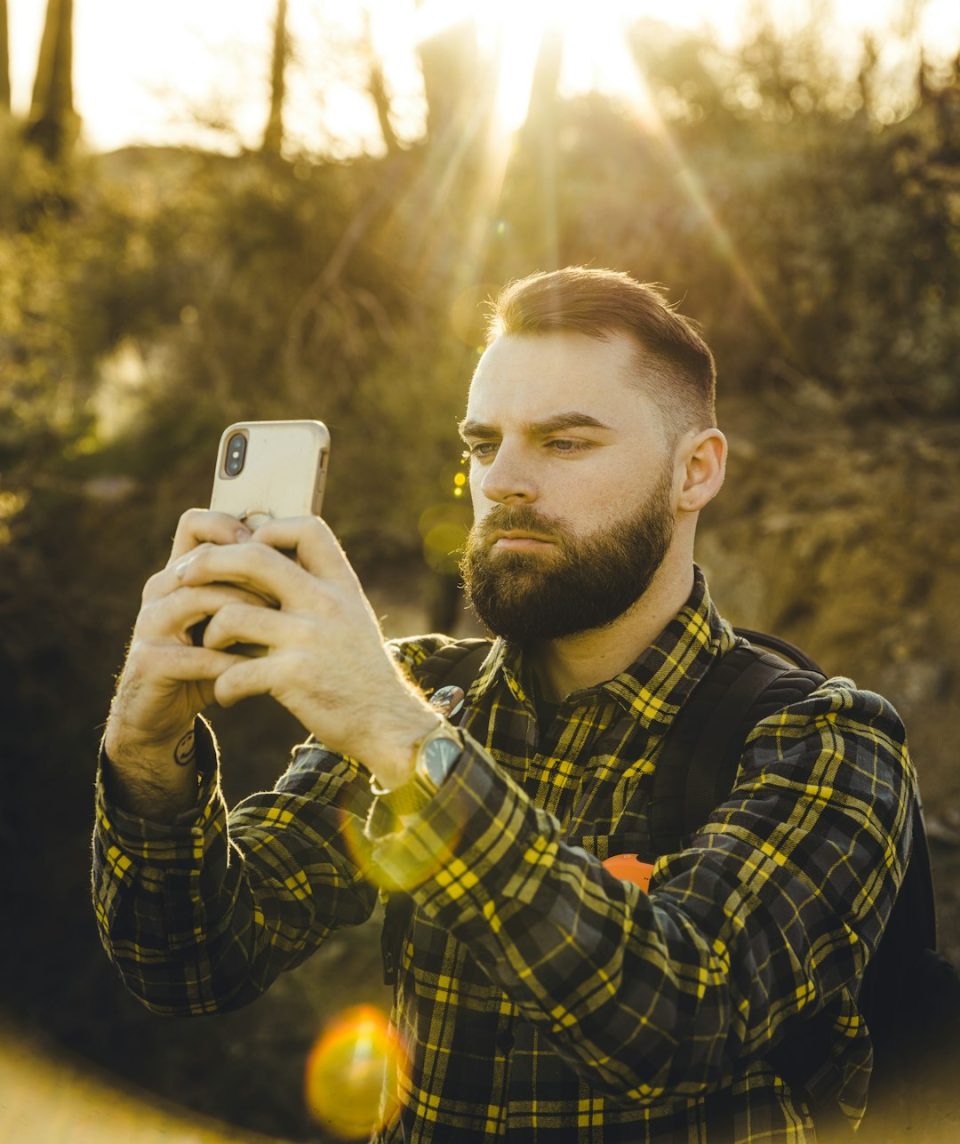
He didn’t expect much when he first decided to try AI-generated headshots. Like many professionals scrolling through social media, he had seen impressive before-and-after posts: ordinary selfies transformed into polished, corporate-ready portraits. The promise was simple—upload a few photos, let artificial intelligence take over, and receive studio-quality headshots without stepping into a studio.
TL;DR: He discovered that AI headshots can be impressively realistic, time-saving, and affordable, but they are not flawless. Lighting, input photo quality, and platform choice heavily influence the final results. While AI can enhance confidence and convenience, authenticity and subtle imperfections still matter. In the end, AI headshots worked best as a complement—not a total replacement—for traditional photography.
Why He Decided to Try AI Headshots
The motivation was practical. Professional headshots are expensive, time-consuming, and often stressful. Booking a photographer involves scheduling, wardrobe planning, commuting, and the awkward process of posing under bright lights. He wanted a simpler solution.
AI headshot services promised:
- Affordability compared to professional photography
- Fast turnaround times, sometimes within 24 hours
- Multiple styles from corporate to creative
- No in-person appointment required
As someone updating his LinkedIn profile and personal website, he figured it was worth the experiment.
The Upload Process: More Important Than Expected
One of the first lessons he learned was that input quality determines output quality. The AI platform requested 10 to 20 selfies taken in different lighting conditions and angles. It specifically advised:
- Neutral expressions and natural lighting
- No sunglasses or hats
- Minimal heavy shadows
- Clear, high-resolution images
Initially, he underestimated how important these instructions were. He uploaded a mix of older selfies, some with dim lighting and one taken in a car. The first batch of AI headshots came back inconsistent—some looked sharp and realistic, others looked strangely softened or slightly distorted around the eyes.
That’s when he realized: AI can only work with the data it’s given.

After re-uploading a better set taken in steady daylight against a blank wall, the results dramatically improved. This small adjustment taught him that while AI feels automatic, preparation still matters.
The Wow Factor: Surprisingly Realistic Results
When the improved batch arrived, he was genuinely impressed. The AI had generated images where he appeared:
- Wearing tailored business suits he didn’t own
- Standing against polished office backdrops
- Posing in natural yet confident stances
- Captured with professional-level lighting
Some images looked indistinguishable from studio photography at first glance. The lighting gradients were realistic, facial proportions accurate, and skin tones well-balanced. The AI had even subtly corrected minor blemishes without making his face look plastic.
It felt like skipping several steps in the traditional photography pipeline—styling, retouching, and color correction—all condensed into an automated workflow.
Where AI Fell Short
Not every image was perfect. In fact, the imperfections were some of the most educational moments.
Common issues included:
- Slight asymmetry in glasses frames
- Extra-smooth skin texture in certain generations
- Subtle background distortions
- Occasionally unnatural hand positioning
One headshot gave him a dramatically sharper jawline than reality. Another slightly altered his smile. These weren’t major flaws—but they raised an important question: How much enhancement is too much?


When AI Headshots Work Best
Through trial and reflection, he identified ideal use cases:
- LinkedIn profile updates
- Company directories
- Conference speaker bios
- Quick portfolio refreshes
However, for highly personalized branding—such as authors, creatives, or executives building a distinctive identity—he felt traditional photography still had the edge. A skilled photographer captures nuance, mood, and personality in ways AI currently approximates but does not fully understand.
The Learning Curve: Choosing the Right Platform
Not all AI headshot services operate at the same quality level. He experimented with two platforms and noticed differences in:
- Facial accuracy consistency
- Background realism
- Skin texture rendering
- Customization options
This taught him that research matters. Reviews, sample galleries, and refund policies should be examined before committing. The technology is improving rapidly, but results still vary.
What He Would Do Differently Next Time
Looking back, he would:
- Take a dedicated set of high-quality photos specifically for AI training
- Use neutral backgrounds exclusively
- Avoid overly expressive selfies
- Select fewer but more refined output styles
He would also avoid overusing AI retouching tools post-generation. Sometimes the simplest versions looked the most natural.
The Final Verdict
Trying AI headshots himself transformed his skepticism into cautious optimism. The technology is not magic—but it is remarkably capable. It democratizes access to professional imagery in ways that were previously unaffordable or inconvenient for many people.
Yet, the experience also reinforced a timeless truth: authenticity still matters. The most compelling professional image balances polish with personality.
In the end, he kept two AI-generated headshots for professional profiles and still considers booking a real photoshoot in the future. For him, AI became a powerful supplement—not a complete replacement.
Frequently Asked Questions (FAQ)
1. Are AI headshots worth it?
For most professionals, yes. They are affordable, fast, and often high quality. However, results depend heavily on the quality of the uploaded photos and the platform used.
2. Do AI headshots look fake?
They can, especially if the input images are low quality or if the AI applies excessive smoothing. With good source photos, many results look surprisingly realistic.
3. Are AI headshots appropriate for LinkedIn?
Yes. As long as the image accurately represents the person and does not significantly alter their features, AI headshots are generally acceptable for professional platforms.
4. How many photos should be uploaded?
Most services recommend 10–20 varied, high-resolution photos with clear lighting. The more diverse and clear the inputs, the better the output tends to be.
5. Can AI headshots replace professional photographers?
For basic professional needs, often yes. For high-stakes branding, creative direction, or unique personal identity work, traditional photographers still excel.
6. Is it ethical to use AI-generated photos?
It is generally ethical if the image remains an honest representation. Overly exaggerated alterations that misrepresent appearance may cross ethical lines.
7. How long does it take to get AI headshots?
Most services deliver results within 24 to 72 hours, depending on processing times and service tiers.
Ultimately, his biggest lesson was simple: AI is a tool. Used thoughtfully, it can elevate professional presence. Used carelessly, it can create a polished illusion detached from reality.