



In the heart of Eurasia, Turkey has long straddled the line between East and West, tradition and modernity. With a rich history that stretches from the Ottoman Empire to the modern Turkish Republic, this nation’s identity has always been dynamic and multifaceted. Now, in the digital age, Turkish identity is undergoing a new transformation—this time shaped by memes, social media, influencers, digital storytelling, and virtual communities.
TL;DR:
The digital age has reshaped Turkish identity, enabling individuals to express diverse cultural values online. From preserving traditional customs to embracing modern, globalized trends, Turks use platforms like Twitter, Instagram, YouTube, and TikTok to articulate who they are. This ongoing evolution is marked by generational divides, political expression, and a redefinition of what it means to be Turkish in the 21st century. The internet has become both a mirror and a canvas for Turkish culture.
The Growing Influence of Social Media on Turkish Identity
Social media has become a central hub for cultural discourse in Turkey. Whether it’s discussing football, politics, pop music, religious customs, or regional food differences, platforms like Twitter (X), Instagram, and TikTok offer the youth a space to negotiate their identity in real-time.
Unlike previous generations, who primarily absorbed cultural values through books, family, and traditional media, the digital generation of Turks now takes cues from a mosaic of global and local influences. This gives way to an interesting hybrid identity—one where you might see someone quote the poet Rumi on Twitter, followed by a K-pop dance on TikTok minutes later.
Core Platforms Shaping Turkish Digital Expression
- Twitter (X): A battleground for intellectual debates, political expression, and trending hashtags that reflect the collective consciousness.
- Instagram: A space for aesthetic self-expression, lifestyle showcases, and micro-influencers curating modern Turkish chic.
- TikTok: A platform where young people parody traditional customs, celebrate regional dialects, and share humorous slices-of-life that go viral fast.
- YouTube: Home to vloggers, historians, and educators who are reclaiming Turkish heritage in digestible and entertaining formats.
Each platform offers different modes of expression, allowing Turks to highlight different facets of their identity—from metropolitan modernity to rural pride.

Tradition Meets Technology: A Cultural Tug-of-War
Digital spaces have amplified a centuries-old tension within Turkish society: the contrast between conservative traditions and progressive ideals. Online debates often revolve around themes such as:
- Women’s rights and gender roles
- Religion versus secularism
- LGBTQ+ identities
- Modern fashion versus modest attire
Young women in Turkey, for example, use Instagram not only for fashion blogging but also to advocate for feminist causes and break down gender norms that have traditionally been rigid. Meanwhile, some influencers choose to integrate religious symbolism and modest fashion into their digital personas, illustrating that Turkish identity is not monolithic but incredibly diverse and nuanced.
The Rise of Digital Nationalism and Humor
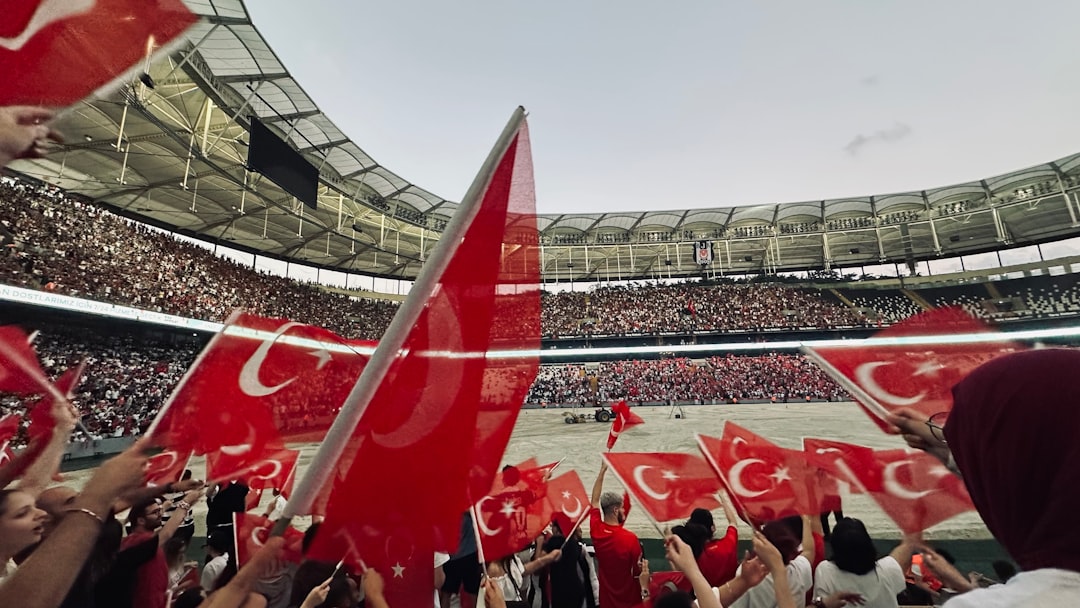
At the other end of the spectrum, the digital realm has also given rise to a brand of digital nationalism—a form of online patriotism that’s often expressed through humor and memes. This movement is particularly visible during international sporting events or geopolitical controversies, where Turks “rally” through hashtags, memes, and viral content.
What’s fascinating is how humor is used both to uphold and critique national identity. Satirical YouTube channels and Twitter accounts often lampoon Turkish bureaucracy, national stereotypes, and even sacred traditions. Humor becomes a cultural bridge, helping Turks reconcile the contradictions of their identities by laughing at them together.

Language Evolution in Digital Spaces
Another remarkable trend is the manipulation and creative evolution of the Turkish language online. On Turkish Twitter, users often blend traditional expressions with internet slang, regional dialects, and even snippets of English or Arabic. This phenomenon has given rise to what some linguists call “Digiturkçe” (Digital Turkish).
Examples include:
- Code-switching: Mixing languages, such as saying “Çok cringe oldum” (I feel cringed), merging Turkish grammar with English terms.
- Reclaiming slang: Younger users reviving and redefining old Turkish colloquialisms to suit new digital contexts.
- Hashtag linguistics: Innovative use of hashtags to create mini-movements (e.g., #KadınlarYaşamÖzgürlük meaning “Women, Life, Freedom”).
This linguistic hybridization is more than just trendy slang—it’s a reflection of the adaptability and creativity of the Turkish digital citizen. It shows how identity is being spoken into being in real-time, in new and evolving idioms.
Digital Storytelling and the Preservation of Heritage
Even as Turkey moves into the digital age, there is a growing parallel movement to preserve its rich cultural heritage. From Ottoman cooking recipes to Anatolian folklore, creators are using the internet as a tool for archival and revival.
Popular YouTube channels delve into lost traditions, dissect historical events, and showcase regional crafts from across Turkey’s unique geography. Podcasts focus on oral histories, often featuring elders who share stories of pre-digital Turkey. TikTok trends encourage users to cook ancestral meals or teach old village games to their followers.
This grassroots preservation is a potent reminder that digital doesn’t always mean modern. Often, it means amplifying the past in new, engaging ways.
Challenges of Online Turkish Identity
While the digital age provides unprecedented platforms for expression, it also brings new risks and challenges. Online tribalism, cyberbullying, and government censorship are pressing issues Turks must manage while navigating their online identities.
Key concerns include:
- Digital censorship: Government shutdowns of social media during protests or political unrest.
- Surveillance: Arrests or fines for content deemed “anti-state” or “immoral.”
- Polarization: Online discourse often splits sharply along ideological, religious, or ethnic lines.
These growing pressures make the act of cultural self-expression online both empowering and risky, especially for minority groups and outspoken activists.
The Future of Turkish Identity Online
So, what lies ahead for Turkish identity in the digital age? A few trends suggest where it’s heading:
- Increasing decentralization: With evolving tools like VPNs and decentralized platforms, more Turks seek uncensored arenas for discussion and creativity.
- Creative entrepreneurship: The rise of independent Turkish content creators is shaping a digital economy rooted in local culture yet open to global audiences.
- Digitally literate youth: With digital fluency as a default, the younger generation is redefining what it means to be Turkish—on their own terms.
As tech evolves, so too will Turkey’s cultural identity. From hashtags to holograms, the nation’s digital narrative is just beginning.
Conclusion: A New Type of Identity in the Making
The beauty of Turkey’s digital age lies in its multiplicity. No longer confined to defined categories, Turkish identity is now a fluid spectrum—crafted by tweets, vlogs, dances, emojis, and shared stories. It is a living, breathing mosaic of traditions, ideas, and innovations.
By viewing digital spaces not just as tools but as living cultural environments, we can better understand how Turks today are reimagining who they are—and who they’ll become tomorrow.