


Custom software is having a moment again. Not because off-the-shelf SaaS disappeared, but because companies outgrow it. Your accounting software works fine until you need it to talk to your inventory system, which needs to feed data to a custom dashboard, and suddenly you’re hacking together integrations that break every Tuesday. Standard tools don’t cover weird business processes. They can’t. They’re built for averages.
The Canadian market has no shortage of development agencies. Most of them build the same things: CRUD apps, basic websites, simple mobile interfaces. That’s fine if your needs are standard. But if your business runs on unique workflows, complex data, or proprietary logic, you need teams that actually understand systems. We picked five companies that build custom software for real. Not templates.
Why Custom Software Becomes Necessary as Companies Grow
Early stage, you can run everything on Shopify, Salesforce, and QuickBooks. It’s fine. Then you hit twenty employees, or a hundred, or a thousand. The tools don’t talk to each other. You’re exporting CSVs at midnight. Someone’s manually entering data that should flow automatically. Growth exposes the cracks. According to our analysts, the most common triggers for moving to custom software include:
- Limitations of existing SaaS tools and the flexibility you just can’t get;
- Complex integrations between systems that weren’t designed to connect;
- Performance issues when user counts go from hundreds to tens of thousands;
- Industry-specific requirements that standard tools ignore completely;
- Need for full control over data, infrastructure, and who sees what.
That’s when you stop buying software and start building it. The partner you pick at this stage matters more than most founders realize.
1. Euristiq

Euristiq builds complicated things. Not the kind of complicated where you need a login page. The kind where data has to stay consistent across distributed systems, where regulatory compliance isn’t optional, and where the architecture has to handle unpredictable load. Euristiq custom software development services in Canada focus on projects that most agencies avoid. Deep-tech, enterprise infrastructure, systems that have to work the first time. They’ve done enough migrations to know what breaks.
Engineering Complex Systems That Actually Scale
The work starts before the code. Euristiq spends time on architecture because they’ve seen what happens when you skip it. Performance tuning, data pipeline design, failure mode analysis — these aren’t afterthoughts. According to our data, their core development capabilities include:
- Custom system architecture designed for actual scalability requirements;
- Modernization of legacy systems without disrupting daily operations;
- Integration of multiple services and data pipelines that actually stay connected;
- DevOps processes and automation for stable, repeatable delivery;
- Development of high-load and distributed systems that don’t fall over.
If your project involves real complexity, this is the team. They don’t do simple. They don’t pretend to.
Where Euristiq Fits Best
SaaS companies scaling past the early adopters. Enterprise teams replacing core systems. Products where failure means lost revenue or regulatory trouble. That’s Euristiq’s sweet spot. Expensive, probably. But cheaper than rebuilding.
2. Spiria

Spiria operates at enterprise scale. Large teams, long projects, clients with procurement departments. They balance product thinking with the constraints of big organizations. That’s harder than it sounds. Most product people hate enterprise bureaucracy. Most enterprise vendors don’t care about user experience. Spiria tries to do both.
Balancing Product Development and Enterprise Needs
The tension shows up in every large organization. Business wants innovation. IT wants stability. Spiria sits in the middle, translating between them. According to clients, their main strengths include:
- End-to-end custom software development with clear milestones;
- UX and product design integration, not just coding requirements;
- Scalable architecture for enterprise systems with real security needs;
- Long-term collaboration and support after the initial launch.
If you’re in a large organization and need something that actually works for users, Spiria belongs on the list.
3. Osedea

Osedea comes from the product world. They think about user experience, market fit, and iteration cycles. Not every custom software project needs that, but if you’re building something people will actually use daily, it helps. They’re based in Montreal, work with startups and established companies, and focus on execution.
Product-Focused Development with Strong Execution
The difference shows in how they approach requirements. Product-focused teams ask different questions. They want to know who uses the software, what frustrates them, and what would make them switch. According to our analysts, their key capabilities include:
- Custom application development with genuine product thinking;
- UX-driven design and prototyping before committing to code;
- Agile development processes that actually adapt to feedback;
- Integration with modern technologies without chasing hype.
For product companies, especially those with user-facing applications, Osedea makes sense.
4. Gravit-e Technologies
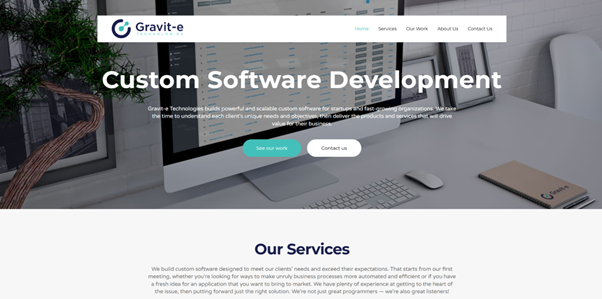

Gravit-e is practical. They don’t overpromise. They don’t suggest microservices for a blog. Mid-size companies with specific requirements find them refreshing. The work is solid, the communication clear, and they stay within budget. Not every project needs cutting-edge innovation. Some need reliability and straightforward execution.
Practical Development Without Unnecessary Complexity
The temptation in custom software is to build everything distributed, event-driven, and containerized. Gravit-e pushes back when it doesn’t add value. They’ve seen enough projects collapse under their own weight. According to our data, their strengths include:
- Custom backend and application development that actually ships;
- System integrations and maintenance without unnecessary rewrites;
- Scalable but simple architecture that doesn’t require a PhD to operate;
- Reliable long-term support and willingness to fix problems.
If you’re mid-market and need something that works without drama, Gravit-e delivers.
5. MindSea
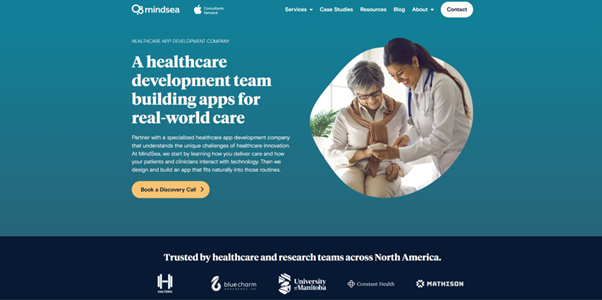
MindSea focuses on products people actually enjoy using. That sounds obvious, but most custom software is painful. Clunky interfaces, confusing workflows, and designs that nobody tested. MindSea starts with UX and builds from there. They’re based in Halifax, work with startups and established brands, and prioritize the user experience.
Building Products Users Actually Enjoy Using
The UX focus changes everything. Features get questioned. Workflows get tested. Designs get iterated before code gets written. According to clients, their core strengths include:
- Mobile and web application development with real attention to detail;
- UX-first product design that considers how humans actually behave;
- Iterative development approach that adapts to user feedback;
- Focus on user experience and engagement, not just feature checklists.
For startups and product companies where adoption matters, MindSea is worth talking to.
How to Choose the Right Custom Software Development Partner
Match the problem to the team. Complex enterprise infrastructure needs different skills than a consumer mobile app. Budget matters, obviously. So does timeline. So does whether you need ongoing support or just someone to build version one. According to our analysts, before choosing a development partner, consider:
- Project complexity and whether requirements are stable or evolving;
- Need for custom versus semi-custom solutions that might exist already;
- Budget reality and long-term costs, not just initial estimates;
- Industry requirements like healthcare regulations or financial compliance;
- Level of involvement and whether you need strategic input or just execution.
The right fit happens when capabilities align with actual constraints. Not when the sales pitch sounds good.
Final Thoughts
Custom software isn’t about technology trends. It’s about solving problems that standard tools can’t. Euristiq handles complex systems. Spiria balances enterprise and product. Osedea brings product thinking. Gravit-e delivers reliably for mid-market. MindSea focuses on user experience. Pick based on your situation, not their website.