



In today’s digital landscape, startups face both unprecedented opportunities and intense competition. Creating a strong online presence is a necessity, not a luxury. Among all digital channels, social media stands out as one of the most powerful tools for establishing a brand, engaging with customers, and driving business growth—for relatively low financial investment.
TLDR: Social media marketing can be a game-changer for startups when done strategically. Key steps include choosing the right platforms, producing consistent and engaging content, leveraging influencer partnerships, and using analytics for data-driven decisions. With focused effort and creativity, startups can gain visibility, attract loyal followers, and create a lasting brand presence.
Why Social Media Matters for Startups
Social media allows startups to:
- Increase brand awareness quickly through shareable content.
- Engage directly with potential customers in real-time.
- Gain insights through platform analytics to guide business decisions.
- Compete with larger companies without spending large amounts on traditional advertising.
Startups that fail to plan their social media strategies often struggle with low visibility, minimal engagement, and missed opportunities for growth.
1. Choose the Right Platforms
Not every social media platform is suitable for every startup. The key is to find where your target audience is most active and align your content strategy accordingly.
Common platforms and their strengths include:
- Instagram: Great for visual storytelling, lifestyle products, and fashion.
- LinkedIn: Ideal for B2B startups, professional services, and thought leadership.
- Facebook: Effective for community building and targeted advertising.
- X (formerly Twitter): Suited for quick updates, trending topics, and customer support.
- TikTok: Excellent for reaching Gen Z through short, viral videos.
Startups with limited resources should begin with one or two platforms and gradually expand.
2. Create a Consistent Brand Voice and Aesthetic
Building a recognisable online brand starts with consistency. From logo placement to tone of voice, every element should reflect your brand’s personality and values.
- Use the same profile images, bios, and website links across platforms to build credibility.
- Develop a content style guide that covers color palette, typography, hashtag usage, and brand tone.
- Schedule your posts to maintain a consistent presence—even during off hours.
Consistency builds trust, which is crucial when your startup is still earning credibility in the marketplace.
3. Develop High-Impact Content
Content is the core of any social media strategy. Startups must learn how to create content that educates, entertains, and engages, all aligned with the target audience’s interests and pain points.
Effective content types include:
- Behind-the-scenes footage that showcases company culture or product development.
- User-generated content and testimonials that build social proof.
- Infographics that visually explain complex ideas or statistics.
- Short videos for stories, reels, or TikToks that highlight aspects of your product or service.


Remember that quality often outweighs quantity. A few well-planned, engaging posts can do more for your brand than daily posting with no cohesive message.
4. Engage with Your Audience
Merely posting content is not enough. Engagement is key to developing relationships and building loyalty. Social media is a two-way conversation.
Best practices for engagement include:
- Replying to comments and messages promptly and with a personal touch.
- Using polls, Q&As, and interactive stories to boost participation.
- Hosting live sessions to answer questions and connect more authentically.
High engagement signals social media algorithms to increase the visibility of your content, expanding your organic reach.
5. Partner with Micro-Influencers
Influencer marketing is not limited to major brands. Startups can collaborate with micro-influencers—those with 1,000 to 100,000 followers—for cost-effective reach and authentic endorsements.
Micro-influencers often have a more engaged and loyal follower base compared to celebrities or mega influencers. They’re also more accessible and open to partnerships like product exchanges or affiliate deals.
Tips for successful influencer engagement:
- Choose influencers whose audience aligns with your brand values.
- Offer a clear value proposition for their promotion.
- Track performance through UTM links or discount codes.
Be sure to maintain a genuine relationship and allow the influencer to present your product in their authentic voice.
6. Utilize Paid Social Campaigns Wisely
Although organic reach is valuable, paid social media campaigns can help startups reach a broader and more targeted audience.
Platforms like Facebook, Instagram, and LinkedIn offer precise ad targeting based on demographics, interests, behaviors, and more. However, it’s critical to approach paid ads with a clear strategy.
- Start with small budgets and A/B test different creatives and copy.
- Use retargeting ads to re-engage users who have visited your website or interacted with your brand.
- Measure ROI regularly using platform analytics and Google Analytics integrations.
A successful paid media strategy should supplement—rather than replace—your organic content efforts.
7. Monitor, Analyze, and Optimize
Effective social media marketing is not static. It requires ongoing analysis to determine what is and isn’t working. Most social platforms provide analytics for business accounts, offering data on reach, engagement, clicks, and follower growth.
Key metrics to track regularly:
- Engagement rate: Likes, shares, comments per post.
- Reach and impressions: Number of people who saw your content.
- Click-through rate (CTR): How many clicked from your social media to your landing page.
- Conversion rate: Number of users who completed a desired action such as signing up or purchasing.
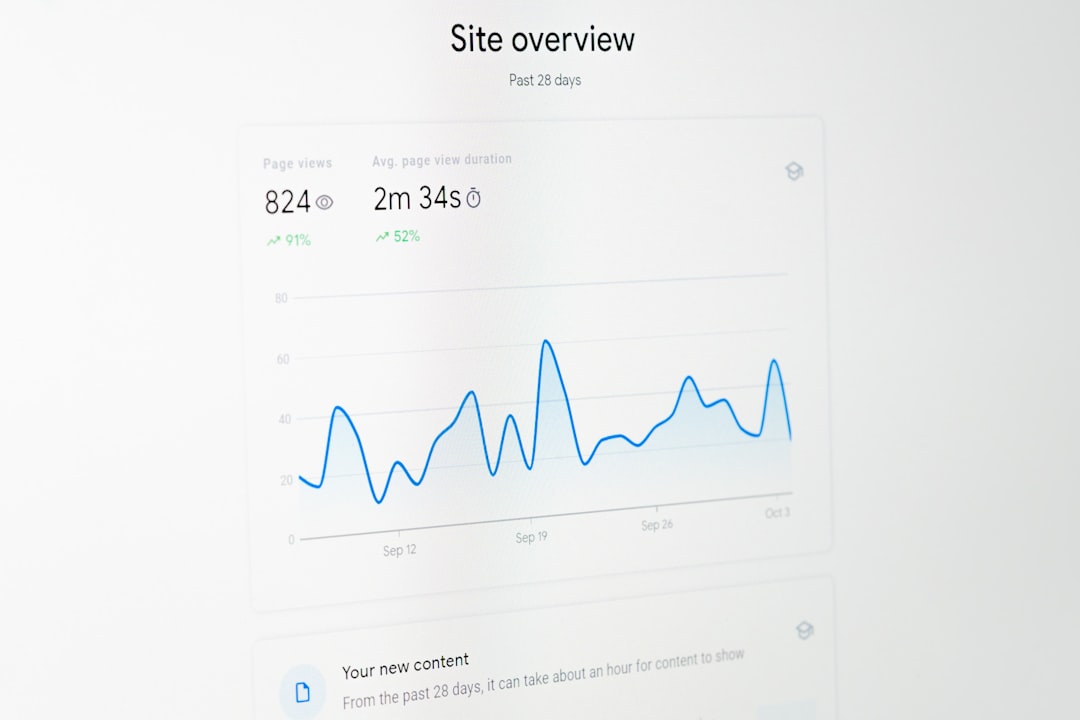
Set benchmarks and adjust your strategy based on data trends. Experiment with content types, posting times, and hashtags to continuously improve outcomes.
8. Leverage Automation Tools
For startups with small teams, automation tools offer an efficient way to manage social media without sacrificing quality or consistency.
Popular tools include:
- Buffer and Hootsuite for post scheduling and analytics.
- Canva for quick and professional graphic creation.
- Later for Instagram-focused publishing with visual calendar features.
Use automation to handle repetitive tasks but ensure that genuine human interaction remains part of your engagement strategy.
Final Thoughts
Social media marketing can be one of the most powerful growth drivers for startups when used strategically. The key is to focus your efforts, remain consistent, measure everything, and be willing to adapt.
When done right, social media not only boosts visibility and sales but also turns customers into advocates and brand ambassadors over time. For startups looking to carve out a place in the market, the right social media strategy could be the tipping point for success.