



Whether you’re a data analyst, digital marketer, sneakerhead, or cybersecurity expert, the type of proxy you use can make a significant difference in your success. Two of the most common options—residential proxies and datacenter proxies—serve different needs, have distinct advantages, and entail varying legal and ethical considerations. Selecting the right one isn’t just about speed or cost, but about compatibility with your goals.
TLDR:
Residential proxies use IPs assigned to real-world Internet Service Providers (ISPs), making them harder to detect and block, ideal for scraping and compliance-sensitive tasks. Datacenter proxies are faster and cheaper but easier to detect and block, best for tasks that don’t need high stealth. Choose wisely based on your priority: anonymity and reliability (residential) versus cost and speed (datacenter). Ultimately, the best option depends on your specific use case and risk tolerance.
Understanding Proxies: A Quick Refresher
A proxy acts as an intermediary between your device and the internet. It hides your real IP address and routes your requests through another server. This makes your activities online more anonymous and can help bypass content restrictions.
Two dominant types dominate the sphere:
- Residential Proxies – These proxies use IP addresses provided by legitimate ISPs and are tied to a physical location and real device.
- Datacenter Proxies – These are generated in cloud servers or data centers, meaning they aren’t associated with an ISP or physical household address.
What Are Residential Proxies?
Residential proxies route your connection through a real device—usually in someone’s home—using an IP address assigned by a legitimate Internet Service Provider.
This provides a high degree of legitimacy and authenticity, which makes them extremely useful in a variety of sensitive applications, such as:
- Web scraping from websites with aggressive anti-bot protections
- Accessing geographically restricted content
- Market research and price aggregation
- Ad verification and fraud detection
Because they replicate the behavior of real users, they are significantly harder to detect and block.


Pros of Residential Proxies:
- High Anonymity: Since the IPs resemble those of typical users, they are less likely to be flagged.
- Location Accuracy: Ideal for localized testing or access to region-specific content.
- Bypasses Most Security Filters: Effective against advanced anti-bot systems.
Cons of Residential Proxies:
- Cost: Typically more expensive than datacenter proxies.
- Speed: Can be slower due to the routing through devices that are not optimized for high-speed data.
What Are Datacenter Proxies?
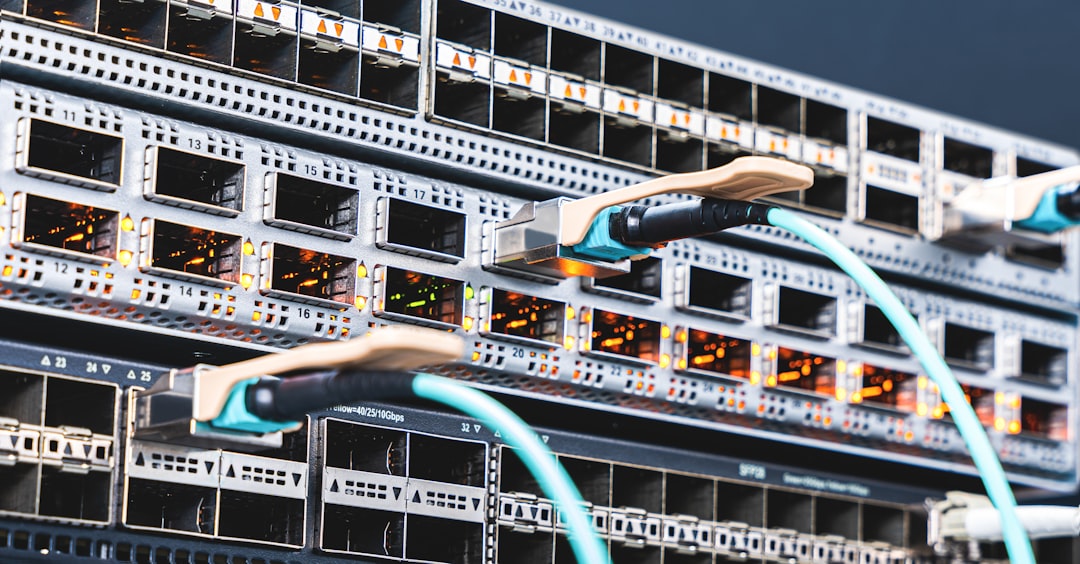
Datacenter proxies are not provided by an ISP, but are created in bulk by servers in industrial-size facilities like Amazon Web Services or Google Cloud. They’re plentiful, easy to acquire, and lightning-fast.
They are well suited for high-volume tasks where speed and cost efficiency take precedence over stealth, such as:
- Bulk account creation
- SEO and web traffic monitoring
- Social media automation (in less-sensitive tasks)
- Basic scraping of less secure websites

Pros of Datacenter Proxies:
- Speed and Performance: High bandwidth and low latency performance make them ideal for fast tasks.
- Affordability: Typically the most budget-friendly option.
- Easy to Scale: Great for businesses that need many proxies quickly.
Cons of Datacenter Proxies:
- Detectability: Easier to flag and block due to IP ranges being known and blacklisted.
- Limited Legitimacy: Not tied to physical locations or real users, making them appear suspicious to some services.
Comparing Residential vs Datacenter Proxies
| Criteria | Residential Proxies | Datacenter Proxies |
|---|---|---|
| Speed | Moderate to Slow | Fast |
| Cost | More Expensive | Affordable |
| Stealth and Detection | Very Low Detectability | High Detectability |
| Geo-targeting | Highly Accurate | Basic Coverage |
| Best For | Sensitive Scraping, Ad Verification, Bypassing Security | Speed-Dependent Tasks, Testing, Basic Automation |
Legal and Ethical Considerations
It is crucial to ensure that you use both proxy types in a manner consistent with website terms of service and legal compliance. Residential proxies, especially, can be ethically questionable if not sourced transparently—some proxies are obtained through dubious opt-in software where users unknowingly lend their IPs.
Look for providers that are known for transparent sourcing and offer ethical use policies. Always verify the legality of proxy usage in your jurisdiction and in the websites you are accessing. Violating certain terms or circumventing protections may result in lawsuits, account bans, or malware infiltration.
Use Case Scenarios: Which Should You Choose?
1. Web Scraping for Business Intelligence
Choose Residential Proxies. Many commercial websites implement advanced bot detection systems like CAPTCHA, rate limiting, and IP blacklisting. A residential proxy helps mimic normal user behavior, reducing the chance of being blocked or triggering security alerts.
2. Running Social Media Bots or Automation
Choose Datacenter Proxies. For simple posting schedules, likes, or follows, datacenter proxies work well. However, if you’re managing accounts over long periods, consider switching to residential proxies to avoid bans.


3. SEO and Rank Tracking
Choose Datacenter Proxies. This process requires high-speed querying and low latency, which datacenter proxies provide effectively and affordably.
4. Ad Verification and Fraud Detection
Choose Residential Proxies. If your objective is to verify how ads are delivered in different locations or prevent fraudulent impressions, residential IPs provide the most realistic environment for detection.
Final Thoughts: Ask Yourself These Questions
- Is stealth or cost more important? Go with residential if stealth is your priority.
- Are you scraping public or sensitive content? Public data can often be extracted with datacenter proxies; for sensitive or protected data, use residential.
- Is geo-specific accuracy a priority? Residential proxies offer more precise location-based behavior.
Conclusion
The choice between residential and datacenter proxies isn’t always black and white—it depends heavily on your goals and the resources you’re willing to invest. For those who need high anonymity, location targeting, and robust performance against detection, residential proxies are the gold standard-albeit at a cost.
Ultimately, choose a reliable proxy provider, weigh your risk tolerance, and evaluate your specific use case. Being informed before pressing that connect button can be the difference between a successful operation and one riddled with blocks, bans, or worse.