


In today’s highly competitive digital landscape, a strong visual identity is essential for standing out. Businesses of all sizes are increasingly turning to AI logo makers to create professional, compelling logos without the high costs traditionally associated with design agencies. These tools combine machine learning, design principles, and user input to generate brand visuals that align with a company’s personality and goals.
TLDR: AI logo makers allow businesses to quickly create professional logos tailored to their brand personality and industry. By understanding brand values, customizing AI-generated suggestions, and maintaining visual consistency, companies can build a truly unique identity. The key is using AI as a creative partner rather than relying on it blindly. When approached strategically, AI tools can help craft a memorable and scalable brand presence.
While AI simplifies the design process, building a unique brand identity requires thoughtful planning, creative refinement, and consistency across all touchpoints. This article explores how businesses can use AI logo makers effectively to create logos that not only look good but also communicate meaning and authenticity.
Understanding Brand Identity Before Using AI
Before opening any logo generator, a business should clearly define its brand identity. A logo is not just a graphic—it is the face of a company’s mission, values, and personality.
Key elements to clarify include:
- Mission and vision: What does the company stand for?
- Target audience: Who is the brand trying to reach?
- Brand personality: Is the tone playful, corporate, bold, minimalist, or luxurious?
- Core values: Innovation, sustainability, reliability, creativity?
Having these foundations in place ensures that the AI tool receives meaningful input. Most AI logo makers ask questions about industry, style preferences, and color schemes. The more deliberate the answers, the stronger the output.
How AI Logo Makers Work
AI logo makers rely on databases of design elements, typography rules, and user behavior analysis. After answering a few guided questions, users receive multiple logo variations based on their preferences.

Typically, the process follows these steps:
- User provides company name and slogan.
- User selects industry category.
- User chooses preferred styles, fonts, or icons.
- The AI generates multiple logo options.
- The user customizes final details.
Rather than replacing designers entirely, these platforms automate the first phase of ideation. They offer structured creativity, reducing the intimidation many founders feel when starting from a blank page.
Steps to Create a Unique Logo with AI
1. Provide Detailed and Strategic Inputs
AI tools perform best when given specific direction. Instead of selecting broad descriptors like “modern,” it is more effective to combine style-related keywords such as clean, geometric, minimal, muted colors. The specificity dramatically impacts results.
Businesses should also consider inserting meaningful keywords related to:
- Industry trends
- Emotional tone
- Customer aspirations
- Competitive positioning
2. Avoid Default Templates
Many AI tools provide attractive default versions. However, using a template without modification weakens uniqueness. To stand out:
- Adjust typography spacing.
- Experiment with custom color palettes.
- Resize or reposition icons creatively.
- Incorporate subtle detailing.
Even small refinements can transform a generic design into something distinctive.
3. Choose Colors Strategically
Color psychology plays a crucial role in branding. For example:
- Blue often conveys trust and stability.
- Red suggests passion and energy.
- Green aligns with nature and sustainability.
- Black indicates sophistication and luxury.
An AI tool may recommend colors, but businesses should choose shades that align precisely with their audience and message.
4. Customize Typography for Personality
Fonts communicate personality as strongly as symbols. Serif fonts may feel traditional, while sans-serif fonts tend to appear modern and clean. Script fonts can feel elegant or playful depending on usage.

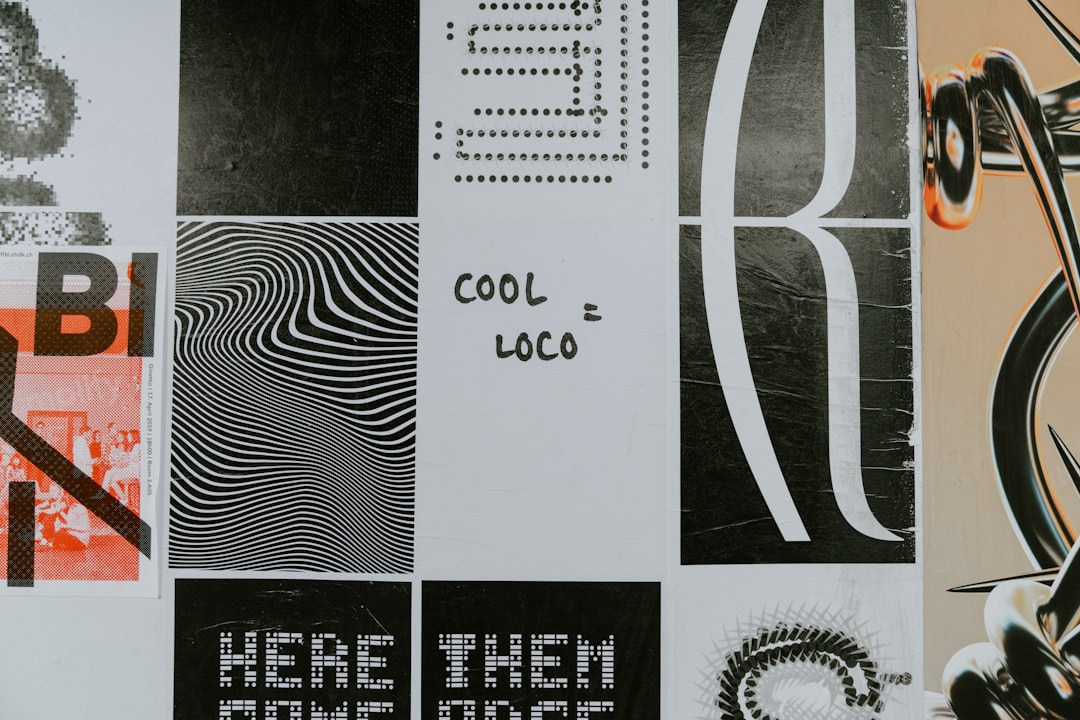
Experimenting with font weight, letter spacing, and capitalization can significantly enhance uniqueness.
Blending AI Efficiency with Human Creativity
The most successful brands use AI as a starting point rather than a final solution. After generating options, reviewing the logo manually or consulting a professional designer for refinement can elevate the final product.
Consider these practices:
- Compare versions: Print black-and-white variations to test visual clarity.
- Scale test: Ensure readability on small social media icons and large banners.
- Feedback loop: Collect opinions from real customers or stakeholders.
Human insight remains essential in identifying subtle emotional or cultural associations that an algorithm may overlook.
Ensuring Brand Consistency Beyond the Logo
A logo is only one part of brand identity. Once finalized, it should guide the design of all supporting assets, including:
- Business cards
- Website design
- Social media graphics
- Email signatures
- Packaging

Many AI logo makers offer brand kits that automatically generate matching templates. Using these kits ensures visual cohesion and strengthens brand recognition.
Comparison of Popular AI Logo Makers
For businesses evaluating different options, the following chart summarizes key differences among widely used AI logo tools:
| Tool | Customization Level | Brand Kit Features | Pricing Model | Best For |
|---|---|---|---|---|
| Looka | High | Full brand kit with social assets | One time purchase or subscription | Startups wanting complete branding |
| Wix Logo Maker | Moderate to High | Integrated website design tools | One time payment | Small businesses building websites |
| Tailor Brands | High | Extensive brand and marketing tools | Subscription based | Entrepreneurs scaling quickly |
| Canva Logo Generator | Moderate | Large template library | Free with premium options | Budget conscious creators |
Choosing the right tool depends on the desired level of customization, long-term branding plans, and budget constraints.
Common Mistakes to Avoid
While AI logo makers are accessible and powerful, mistakes can undermine their potential.
- Overcomplicating the design: Simplicity often improves memorability.
- Ignoring scalability: Complex details may disappear on small screens.
- Following trends blindly: Trendy designs may feel outdated quickly.
- Neglecting cultural meaning: Symbols or colors may have unintended interpretations globally.
Strategic design decisions ensure that the logo remains effective for years rather than months.
Building a Future-Proof Brand with AI
A strong logo created with AI can evolve alongside the company. Because many AI platforms store design data, businesses can revisit and tweak their logos as needed.
Future-proof branding involves:
- Maintaining a design file library.
- Using vector formats for scalability.
- Updating branding carefully during rebrands rather than overhauling completely.
- Documenting brand guidelines for consistent usage.
AI simplifies iteration, allowing businesses to adapt as markets shift without losing identity consistency.
Conclusion
AI logo makers have transformed the branding landscape by democratizing access to professional-quality design. However, creating a unique brand identity requires more than clicking “generate.” It demands clarity of purpose, thoughtful customization, and consistent application across platforms.
When used strategically, AI becomes a creative collaborator—accelerating ideas, presenting unexpected combinations, and enabling businesses to test multiple directions quickly. By blending algorithmic efficiency with human judgment, companies can craft logos that resonate emotionally, communicate value, and stand the test of time.
Frequently Asked Questions (FAQ)
1. Are AI-generated logos truly unique?
AI-generated logos are based on algorithmic combinations of design elements. While the output is often original, uniqueness increases significantly when users customize fonts, colors, and layouts rather than relying on default versions.
2. Can an AI logo maker replace a professional designer?
For small businesses and startups with limited budgets, AI tools can be highly effective. However, larger brands or companies with complex visual strategies may still benefit from professional designers for deeper brand development.
3. How much do AI logo makers typically cost?
Pricing ranges from free basic versions to subscription models costing monthly fees. One-time purchases for high-resolution files and brand kits are also common.
4. What file formats should businesses download?
It is best to download vector files such as SVG or EPS for scalability, along with PNG and JPG versions for digital use.
5. How can a company ensure brand consistency after creating a logo?
Creating a brand style guide that outlines approved colors, typography, logo spacing, and usage rules helps maintain consistency across all platforms and marketing materials.