


Forgetting the combination to a locked bag can feel like hitting an unexpected wall—especially when you are in a hurry at the airport, outside a gym locker, or sorting through stored belongings. The good news is that most combination locks are designed with predictable mechanisms, and with patience and the right approach, you can often regain access without damaging your bag. Understanding how these locks work is the key to solving the problem calmly and effectively.
TLDR: If you forgot your bag’s combination, start by checking for a default code or reset option. You can try systematic combination testing, use light tension to feel correct numbers, or contact the manufacturer for help. As a last resort, tools like shim devices or bolt cutters may work, but they can damage the lock. Patience and a methodical approach are your best allies.
Understanding How Combination Locks Work
Before attempting to open a locked bag, it helps to understand the mechanism behind it. Most luggage and backpack locks use a three-digit or four-digit dial system connected to internal wheels. Each wheel has a notch, and when the correct numbers align, the notches line up and allow the locking bar to release.
There are generally three types of bag combination locks:
- Built-in combination locks commonly found on suitcases.
- Padlock-style combination locks attached to zippers.
- TSA-approved locks with universal access for airport security.

Knowing the type of lock you’re dealing with helps determine which method will be safest and most effective.
Step 1: Try the Default Factory Code
Many combination locks have a factory-set default code, frequently 000 or 123. If you never changed the combination—or are unsure whether you did—this is the easiest place to start.
Try the following common defaults:
- 000
- 123
- 999
- 111
- 112
Even if you remember setting a new code, test a few combinations you commonly use for PINs or other locks.
Step 2: Systematic Combination Testing
If the default code does not work, you can try a methodical approach. A three-digit lock has 1,000 possible combinations (000 to 999). While that sounds intimidating, a disciplined system makes it manageable.
How to test combinations efficiently:
- Start at 000.
- Increase the last digit incrementally (001, 002, 003…).
- Once you reach 009, move to 010 and repeat.
- Keep consistent track to avoid repeating numbers.
This approach can take time—sometimes a few hours—but it does not damage the lock and guarantees results if you persist.
Step 3: Use the Tension and “Feel” Method
This is one of the most practical techniques for forgotten combinations, and it works surprisingly well on many standard luggage locks.
Here’s how:
- Apply light pressure to the latch or shackle as if you are trying to open the lock.
- Slowly turn the first dial until you feel slight resistance or a small click.
- Repeat for each dial while keeping tension on the lock.
- Once all numbers feel properly aligned, the lock should release.
The reason this works is that the internal wheels slightly bind under tension, creating subtle feedback when the correct number is reached.

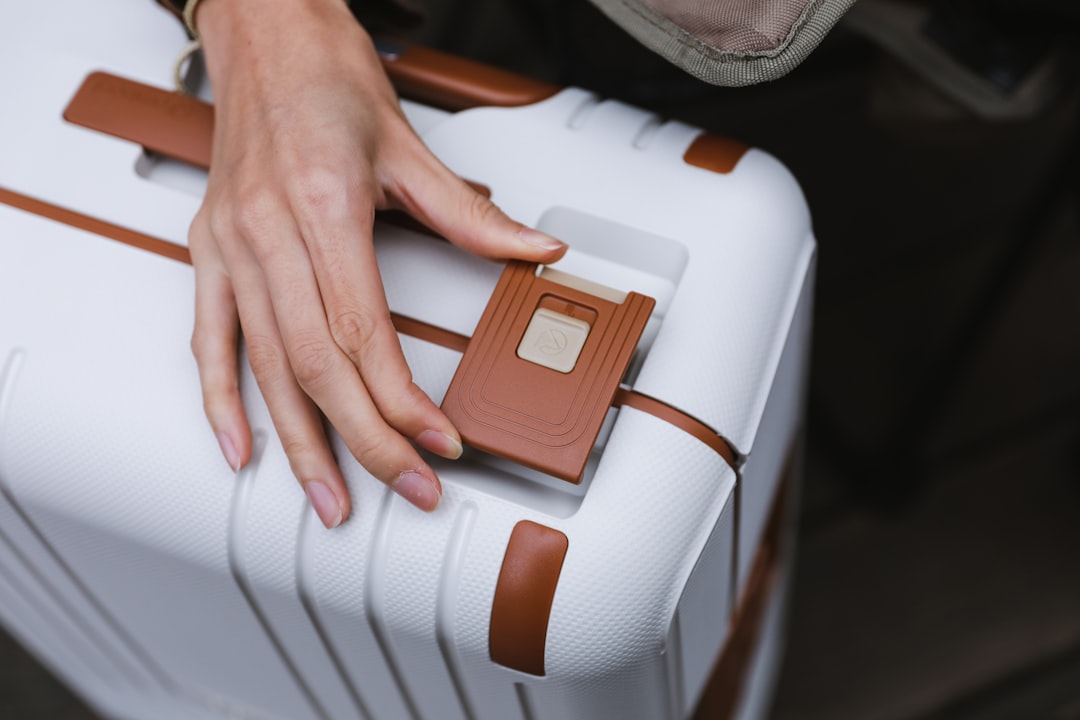
This technique requires patience and a gentle touch. Excessive force can reduce your ability to feel the resistance points.
Step 4: Check for a Reset Button
Some built-in suitcase locks have a small reset button or switch near the dials. In certain models, you may be able to reset the combination if the lock is not fully secured.
Look for:
- A tiny pinhole near the dials.
- A sliding button on the side of the lock.
- A recessed reset tab.
Consulting the manufacturer’s website with your luggage model number can provide specific instructions.
Step 5: Contact the Manufacturer
If brute force guesswork fails, reaching out to the brand’s customer support can help. Many luggage manufacturers keep records of their standard lock types and can offer reset procedures.
Have the following information ready:
- Brand and model number
- Proof of purchase (if possible)
- Photos of the lock
This option is particularly useful for high-end luggage.
Step 6: Using Tools to Open a Locked Bag
If you urgently need access and non-destructive methods have failed, tools may work—but they often cause damage. Consider these as last-resort solutions.

Common Tools and Their Uses
| Tool | Best For | Damage Risk | Difficulty |
|---|---|---|---|
| Shim tool | Simple padlocks | Low to Moderate | Moderate |
| Bolt cutters | External padlocks | High | Easy |
| Screwdriver and pliers | Weak built-in locks | High | Moderate |
| Professional locksmith tools | All lock types | Low (professional use) | Expert Required |
Shim Method
A shim is a thin piece of metal inserted between the lock’s shackle and body to release the latch. This works on older or inexpensive padlocks but rarely on modern TSA locks.
Bolt Cutters
Fast and effective, bolt cutters can snip a padlock in seconds. However, the lock will be destroyed and possibly damage the zipper pull.
Calling a Locksmith
A professional locksmith can open many locks quickly without harming your bag. While it involves a service fee, it may be more economical than replacing expensive luggage.
Special Considerations for TSA Locks
TSA-approved locks allow airport security to open luggage using a master key. While the master keys are not legally distributed to the public, some travelers contact the lock manufacturer to inquire about legitimate assistance options.
Never attempt to purchase unauthorized master keys online, as doing so may violate local laws.
How to Prevent This Problem in the Future
Once you regain access, take preventive steps:
- Record your combination in a secure password manager.
- Use a memorable number tied to a personal event.
- Test the new code multiple times before locking.
- Avoid overly complex combinations you are likely to forget.
Some travelers even store the combination discreetly inside their phone under an unrelated label for quick access.
When Replacement Is the Best Option
Sometimes replacing the lock—or even the bag—is the most practical solution. If the lock mechanism is inexpensive and permanently stuck, forcing it open and installing a new external padlock may save time and frustration.
For built-in systems that cannot be removed, cutting the zipper pull and installing a small metal loop with a new lock can restore functionality affordably.
The Importance of Staying Calm
Perhaps the most overlooked factor when dealing with a locked bag is mindset. Panic can lead to rushed decisions and unnecessary damage. Most combination locks are not high-security devices; they are deterrents rather than vaults. Given time and patience, they can usually be opened without extreme measures.
Approach the problem methodically:
- Start simple (default codes).
- Use systematic logic (incremental testing).
- Apply finesse (tension method).
- Escalate only when necessary (tools or locksmith).
With the right approach, forgetting your combination becomes a solvable inconvenience rather than a disaster.
Final Thoughts
Opening a locked bag without the combination may seem daunting, but it is rarely impossible. Whether you rely on patience and structured experimentation or professional assistance, there are multiple safe and practical paths to reclaim access. The key is understanding the mechanism and resisting the urge to apply excessive force too quickly.
And once you’re back inside your bag, take a moment to set—and securely record—a combination you won’t forget again.