


Integrating Character AI with Twitch chat opens the door to a new type of interactive streaming experience—one where AI-driven personalities can respond to viewers in real time, moderate conversations, play story-driven roles, or act as co-hosts. For streamers, developers, and technical moderators, building a stable and secure connection between Character AI and Twitch requires a structured setup that involves bots, APIs, authentication systems, and message routing logic. This guide walks through the process clearly and professionally, helping you create a reliable live interaction pipeline.
TL;DR: Connecting Character AI to Twitch chat requires three core components: a Twitch bot account, access to a Character AI API or wrapper, and middleware that handles message flow between both platforms. You must configure Twitch authentication, capture live chat messages, relay them to the AI, and send responses back to chat safely. Security, rate limits, and moderation filters are essential for stability. With the right setup, you can create dynamic, real-time AI-powered interactions for your audience.
Understanding the Architecture
At a technical level, connecting Character AI to Twitch involves acting as a bridge between two systems:
- Twitch IRC or EventSub API – Receives live chat messages.
- Character AI API – Generates contextual responses.
- Middleware server – Processes, filters, and routes communication.
The middleware is critical. It prevents direct overloaded requests between Twitch and Character AI while allowing you to insert moderation layers, logging systems, response formatting rules, and fallback behavior.

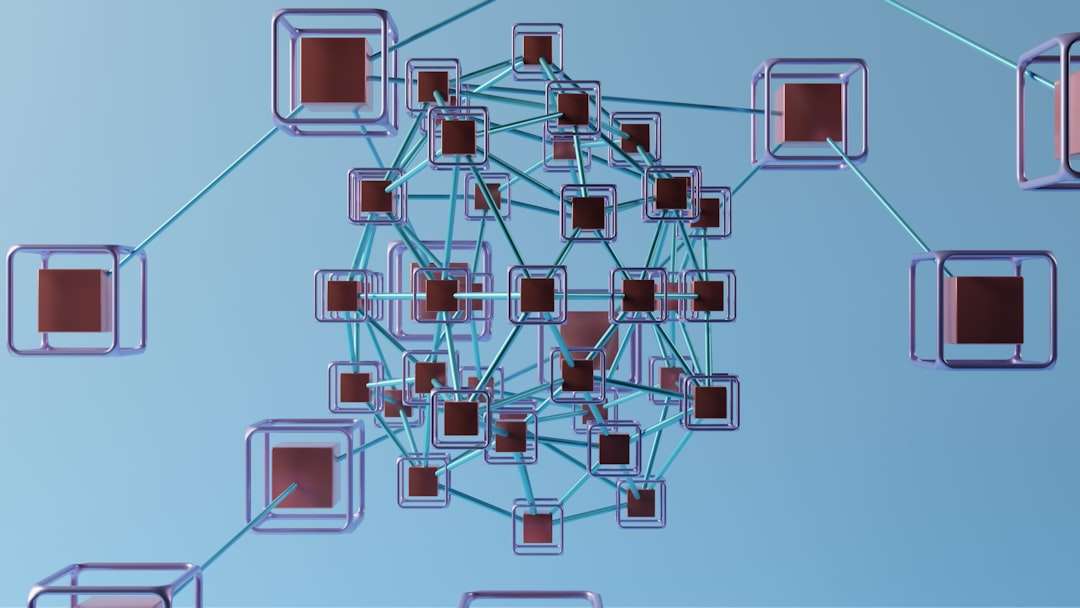
A typical workflow looks like this:
- A viewer sends a message in Twitch chat.
- Your Twitch bot captures the message using IRC or EventSub.
- The middleware processes the message (filters commands, checks profanity, throttles spam).
- The message is sent to Character AI via API request.
- The AI generates a reply.
- The middleware formats the response for Twitch.
- The bot posts the response back to chat.
This modular approach increases reliability and minimizes unexpected failures during live streams.
Step 1: Setting Up a Twitch Bot Account
You should never use your primary streamer account for automated interactions. Instead:
- Create a separate Twitch account to act as the AI bot.
- Enable Two-Factor Authentication.
- Register an application in the Twitch Developer Console.
- Generate an OAuth token for chat access.
To read and send chat messages, your bot connects through:
- Twitch IRC (Internet Relay Chat) – Traditional and widely supported.
- Twitch EventSub WebSockets – Modern alternative with structured events.
For most implementations, IRC is simpler and well documented. Your connection will require:
- OAuth token
- Bot username
- Twitch IRC server address
- Channel name
Ensure that throttling rules are respected. Twitch limits how frequently bots can send messages. Exceeding those limits can result in temporary or permanent suspension.
Step 2: Accessing Character AI Programmatically
Character AI platforms may provide:
- Official APIs
- Private endpoints with authentication tokens
- Community wrappers
- Browser automation solutions (less recommended)
For professional and stable setups, use an official API whenever possible. Your implementation typically includes:
- Authentication key or token
- Character ID selection
- Session or conversation context handling
- Rate limit compliance
One of the most overlooked aspects is conversation memory management. If you want the AI to remember previous chat messages and maintain character personality, you need to retain session context instead of starting a new conversation at every message.
Best practice includes:
- Maintaining rolling chat context
- Limiting conversation memory size
- Sanitizing user input before sending to the AI
Step 3: Building the Middleware Layer
The middleware is your central control system. It can be written in:
- Python (popular for rapid development)
- Node.js (strong event-based architecture)
- Go (for high performance scenarios)


The middleware should handle:
- Message filtering – Remove banned words or commands.
- Command recognition – For example, only respond if message starts with “!ai”.
- Rate control – Prevent API abuse and spam loops.
- Error handling – Retry failed AI calls gracefully.
- Response formatting – Limit message length for Twitch chat.
Consider implementing a message queue system to prevent spikes in Twitch activity from overwhelming the Character AI endpoint.
Example Logic Flow
- If message contains banned phrase → ignore.
- If message is moderator command → prioritize.
- If queue length exceeds threshold → delay processing.
- If AI response exceeds Twitch character limit → split or truncate.
This protective layer ensures your stream remains stable even under heavy audience interaction.
Step 4: Designing Live Interaction Behavior
Technical connection alone is not enough. You must define the AI’s behavior profile:
- Is it a co-host?
- Is it a fictional character?
- Is it a moderator?
- Is it answering audience questions?
Strong design principles include:
- Clear trigger conditions – Prevent unintended interruptions.
- Chat cooldown periods – Avoid flooding chat.
- Context framing prompts – Keep personality consistent.
For example, your middleware may prepend every user message with system instructions like:
“You are a pirate-themed character co-hosting a gaming stream. Respond concisely and stay in character.”
This keeps responses consistent and professional.
Moderation and Safety Controls
Live AI interactions carry risk. Without content filtering, the AI may:
- Repeat offensive viewer input
- Engage in prohibited topics
- Disclose sensitive information
Build layered safeguards:
- Pre-filter incoming chat messages
- Apply AI-side content filters
- Post-process AI responses
- Restrict certain keywords entirely
It is also advisable to implement a manual override or “panic switch” that immediately disconnects the AI during inappropriate behavior or technical failure.
Image not found in postmeta
Performance and Scalability Considerations
If your channel grows, your AI system must scale accordingly. Pay attention to:
- Concurrent message handling
- API rate limits
- Server hosting environment
- Memory management
Cloud hosting providers such as AWS, Google Cloud, or DigitalOcean can support scalable middleware deployments. Docker containers are recommended for consistent deployments and easier updates.
Logging is particularly important. Store:
- Incoming messages
- AI responses
- Error logs
- Performance timing data
This allows you to analyze failures and continuously optimize the system.
Common Mistakes to Avoid
- Using your main Twitch account for automation
- Ignoring Twitch chat rate limits
- Allowing unlimited AI responses per second
- Failing to sanitize user input
- Relying on unstable unofficial API workarounds
Professional setups are predictable, modular, and secured against misuse.
Testing Before Going Live
Before activating during a public stream:
- Test in a private channel.
- Simulate rapid message bursts.
- Intentionally trigger moderation filters.
- Monitor CPU and memory usage.
- Disconnect and reconnect APIs to test failover behavior.
Structured stress testing will reveal weaknesses that may go unnoticed under normal conditions.
Enhancing Viewer Engagement
Once the technical base is stable, you can extend functionality:
- Channel point redemptions triggering AI responses
- AI reacting to emotes
- Voice synthesis integration for spoken replies
- Emotion-based response variation
Advanced implementations also allow AI to track recurring viewers and greet them dynamically, increasing perceived authenticity.
Final Thoughts
Connecting Character AI to Twitch chat is not a plug-and-play feature—it is a structured engineering project that combines streaming technology, API integration, and real-time moderation. A reliable system requires:
- Dedicated bot credentials
- Secure API access
- Middleware with filtering and rate control
- Context-aware response design
- Continuous monitoring and logging
When implemented professionally, AI-enhanced Twitch channels can deliver immersive, interactive, and uniquely branded experiences that set creators apart. By emphasizing stability, security, and thoughtful interaction design, you ensure that your AI becomes an asset—not a liability—during live broadcasts.
Approached correctly, the integration is not only feasible but transformative for the future of live digital entertainment.