


Mobile connectivity is becoming a digital product
For many years, mobile connectivity was tied to a physical process. Users needed a plastic SIM card, a SIM tray, printed instructions, and sometimes a visit to a store before they could activate a mobile plan. That process worked well for decades, but it no longer matches the way people expect digital services to function.
Today, users are used to downloading apps, subscribing to cloud tools, creating accounts online, and managing services from a dashboard. In this environment, the traditional SIM card can feel outdated. The rise of eSIM technology reflects a broader change in digital behavior: mobile connectivity is becoming a software-based experience.
An eSIM, or embedded SIM, allows users to activate a mobile data profile directly on a compatible device. Instead of inserting a physical card, they download a profile provided by a carrier or connectivity service. This may seem like a small technical change, but it has a major impact on how mobile services are bought, activated, managed, and updated.
Why eSIM fits modern digital expectations
The success of modern digital products often depends on simplicity. Users want fast onboarding, clear instructions, self-service options, and minimal friction. Whether they are signing up for a productivity tool, installing a plugin, or purchasing an online service, they expect the process to be quick and intuitive.
eSIM follows the same logic. A user can select a plan, complete the purchase, install the profile, and activate connectivity without handling physical hardware. This makes the experience closer to using a digital service than buying a traditional telecom product.
For businesses operating online, this shift is important. It shows how even infrastructure-based services are being redesigned around user experience. The mobile plan is no longer only a carrier product. It becomes part of a broader digital journey.
Travel eSIMs show the power of frictionless activation

One of the clearest examples of eSIM adoption is international travel. Travelers often need mobile data immediately after arriving in a new country. In the past, they had to rely on roaming, find a local SIM card, or connect to public Wi-Fi. Each option created friction.
Travel eSIM services simplify this process. Users can prepare their connection before departure and activate mobile data when they arrive. This removes the need to visit a shop, compare unfamiliar local offers, or swap SIM cards at the airport.
For travelers, this is mainly about convenience. For digital marketers and product teams, it is also a useful case study in reducing friction. When the purchase and activation process is simple, users are more likely to complete it. This is the same principle that applies to checkout pages, SaaS onboarding flows, and WordPress plugin installations.
Platforms such as Holafly how how eSIM connectivity can be packaged as an accessible digital service for people who want mobile data while traveling.
eSIM and the rise of app-based connectivity
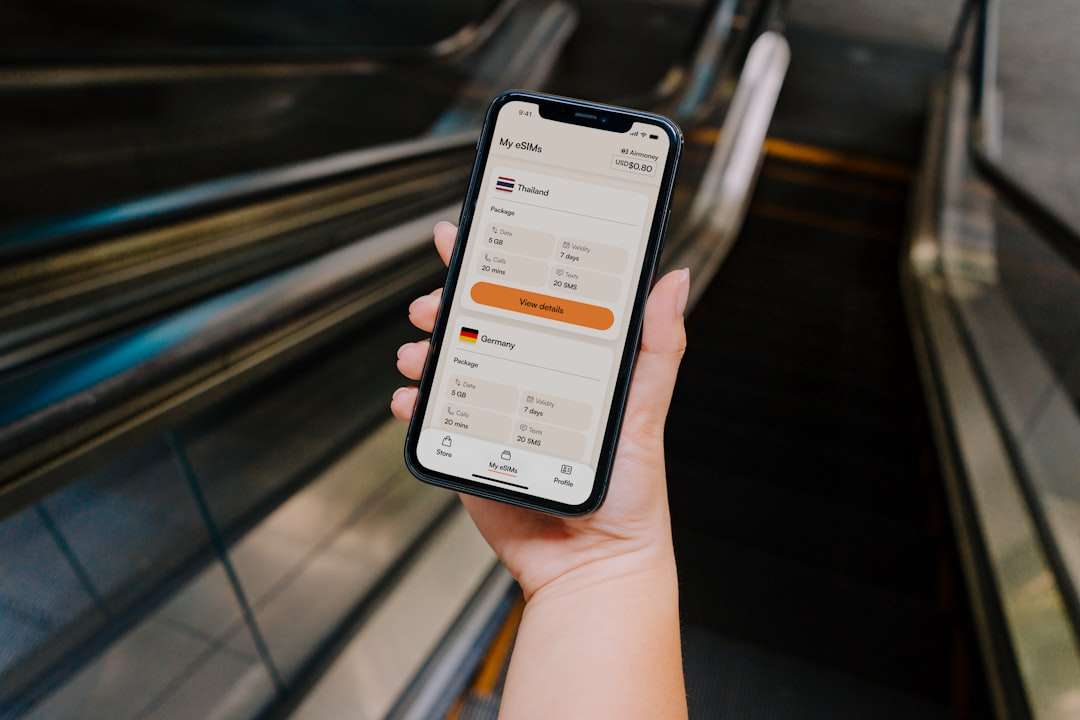
Another important development is the move toward app-based eSIM management. Instead of relying only on QR codes or carrier emails, many providers now guide users through the full process inside an app. Users can browse destinations, compare plans, pay, install their eSIM, monitor usage, and top up data from one interface.
This creates a more complete user experience. The app becomes the control center for connectivity, just as dashboards are used to manage websites, subscriptions, analytics, or marketing tools.
From a digital product perspective, this is significant. It turns connectivity into an ongoing relationship rather than a one-time purchase. Users are not only buying data; they are interacting with a service that can support them before, during, and after activation.
Business users need scalable mobile management
The benefits of eSIM are not limited to individual travelers. Businesses are also paying attention to the technology because it can simplify mobile device management. Companies with remote employees, international teams, field workers, sales representatives, or connected equipment need reliable ways to manage connectivity at scale.
With physical SIM cards, companies may need to ship cards, track inventory, replace lost cards, and manually configure devices. eSIM can reduce this complexity by allowing profiles to be activated, changed, or removed digitally. This is especially useful for organizations managing many devices across different locations.
For IT teams, the advantage is control. They can provision mobile access more efficiently, support employees remotely, and adapt connectivity based on business needs. In industries where mobility is essential, eSIM can become part of a broader digital operations strategy.
IoT makes eSIM even more important
The Internet of Things is another area where eSIM has strong potential. Connected devices such as sensors, trackers, vehicles, meters, payment terminals, healthcare devices, and industrial equipment often need mobile network access. Managing physical SIM cards across thousands of devices can be expensive and inefficient.
eSIM allows profiles to be managed remotely, which is useful for devices deployed in different countries or difficult-to-access locations. A company can update connectivity without physically opening each device. This supports more scalable deployments and reduces maintenance friction.
As IoT continues to grow, eSIM may become a key part of how connected products are designed and managed. It supports a more flexible model where connectivity can be updated over the device’s lifecycle.
Security remains part of the conversation
As eSIM adoption grows, security becomes more important. Digital activation must be convenient, but it also needs to be protected. Carriers and service providers must verify identity, prevent unauthorized transfers, and detect suspicious activation behavior.
For users, basic security habits remain essential. Carrier accounts should be protected with strong passwords and multi-factor authentication when available. Users should also be cautious with unexpected messages claiming to help activate, transfer, or troubleshoot an eSIM profile.
The move from physical SIM cards to digital profiles does not eliminate security risks. It changes them. That is why eSIM security must be treated as part of broader digital identity protection.
What eSIM means for the future of digital services
The rise of eSIM shows that mobile connectivity is becoming more flexible, software-driven, and user-focused. This transformation is not only about smartphones losing SIM trays. It is about turning network access into a digital service that can be activated and managed more easily.
For consumers, this means faster setup and more flexibility. For businesses, it means better device management. For IoT deployments, it means fewer physical constraints. For digital product teams, it offers a clear example of how reducing friction can improve adoption.
The future of connectivity will likely be shaped by the same principles that drive successful online products: simple onboarding, clear interfaces, secure account management, and self-service control. eSIM fits directly into that future.
As more devices support digital SIM profiles and more services improve app-based activation, eSIM will become less of a technical novelty and more of a normal part of how people connect. In that sense, the biggest change is not the disappearance of the plastic SIM card. It is the arrival of a more digital, flexible, and user-centered model for mobile connectivity.