



Publishing consistently is one of the most difficult parts of running a professional blog. Even strong teams with clear strategies often struggle to research topics, draft articles, optimize for search, edit for clarity, and maintain a steady editorial calendar. Blog post generator tools can help reduce that pressure by speeding up the content creation process, but they work best when used with human oversight, planning, and quality control.
TLDR: Blog post generator tools can help businesses, marketers, and creators publish more content by assisting with ideation, outlines, first drafts, SEO structure, and editing. They should not replace expert judgment, original research, or brand voice, but they can make the production process significantly faster. The best results come from combining automation with a thoughtful editorial workflow, fact-checking, and clear publishing standards.
Why Blog Post Generator Tools Matter
Content marketing remains a core channel for building visibility, educating customers, and earning trust. However, producing high-quality articles at scale requires time, subject matter expertise, and disciplined execution. A single well-developed blog post may involve keyword research, competitive analysis, drafting, image selection, internal linking, revision, formatting, and final approval.
This is where blog post generator tools become useful. These platforms can assist with parts of the writing process by generating titles, outlines, introductions, section drafts, meta descriptions, FAQs, and even full article drafts. Some tools focus heavily on search engine optimization, while others are designed for speed, collaboration, or brand consistency.
Used responsibly, they can help teams move from a slow, reactive publishing model to a more organized and efficient workflow. The goal is not simply to produce more words. The real value is in helping teams publish more useful, structured, and relevant content without exhausting their resources.

What Blog Post Generator Tools Can Do
Modern blog generation tools vary in quality and purpose, but many offer a similar set of core functions. Understanding these features helps you decide which tools are worth considering and how they should fit into your content process.
- Topic ideation: Tools can suggest article ideas based on keywords, audience segments, industry trends, or competitor content.
- Headline generation: They can create multiple title variations to help improve clarity, click-through potential, and search relevance.
- Outline creation: Many tools can build article structures with headings, subheadings, and suggested talking points.
- Draft generation: Some platforms can produce full first drafts, which writers can then revise, expand, and fact-check.
- SEO recommendations: Tools may suggest keywords, related terms, meta descriptions, internal linking opportunities, and content length guidance.
- Editing support: Grammar, readability, tone, and style suggestions can improve consistency and reduce editing time.
- Repurposing: A blog post can be transformed into social posts, email newsletters, summaries, or video scripts.
These features are especially valuable for teams that have many ideas but limited time. A tool can provide a starting point, while editors and experts ensure that the final article is accurate, original, and aligned with the brand’s standards.
The Main Types of Blog Post Generator Tools
Not every tool serves the same purpose. Some are best for creating quick drafts, while others are better for research, SEO, or workflow management. Before choosing a platform, it is helpful to understand the main categories.
1. AI Writing Assistants
AI writing assistants are designed to generate and refine written content. They can help create introductions, body sections, conclusions, FAQs, product descriptions, and article summaries. For bloggers, these tools are useful when facing a blank page or when trying to produce a first draft quickly.
However, AI writing assistants should be treated as collaborators, not final publishers. Their output may be generic, repetitive, or factually incorrect if the prompt is weak or the topic requires specialized knowledge. The best approach is to provide detailed instructions, source material, target audience information, and examples of your desired tone.
2. SEO Content Optimization Tools
SEO-focused tools help writers understand what search engines and readers may expect from a topic. They often analyze top-ranking pages and provide recommendations for headings, related terms, article structure, and content depth.
These tools are useful for improving discoverability, but they should not be followed blindly. A serious content strategy balances search optimization with originality and reader value. If every article simply copies the structure of existing search results, your blog will struggle to stand out.
3. Content Brief Generators
A content brief generator creates instructions for writers. A good brief may include the target keyword, audience profile, search intent, suggested outline, questions to answer, internal links, sources, and style guidance.
This type of tool is particularly valuable for teams working with freelancers or multiple contributors. It helps reduce confusion and ensures that writers receive clear expectations before drafting begins.
4. Grammar and Editing Tools
Editing tools are not always considered blog post generators, but they play an important role in publishing more content. They help improve readability, remove grammar mistakes, identify long sentences, and maintain a professional tone.
For businesses, this matters because credibility is affected by language quality. Even a well-researched article can lose authority if it contains avoidable errors or confusing phrasing.
5. Workflow and Publishing Tools
Some platforms focus less on writing and more on process. They help manage editorial calendars, content approvals, assignments, deadlines, and publishing schedules. These tools are essential when content production involves multiple people.
Publishing more content is not only a writing challenge. It is also an operational challenge. Without a reliable workflow, good ideas can sit unfinished for weeks.


Benefits of Using Blog Post Generator Tools
The most obvious benefit is speed, but the advantages go beyond faster drafting. When used properly, blog post generator tools can improve several parts of the content operation.
- Faster production: Teams can move from idea to draft more quickly, especially for routine educational content.
- Greater consistency: Templates, briefs, and style guidance help maintain a uniform structure and tone.
- Improved planning: Topic suggestions and keyword insights make it easier to build an editorial calendar.
- Reduced writer’s block: Drafts, outlines, and prompts give writers a practical starting point.
- Better scalability: Small teams can increase publishing frequency without immediately hiring more writers.
- More efficient repurposing: Existing articles can be turned into shorter formats for other marketing channels.
For organizations trying to compete in crowded markets, these gains can be significant. More frequent publishing can support search visibility, customer education, lead generation, and brand authority. Still, quantity should never come at the expense of trust.
Risks and Limitations to Consider
Blog post generator tools are useful, but they are not risk-free. Serious publishers need to understand their limitations before building a content strategy around them.
Accuracy is the first concern. AI-generated content can include outdated information, unsupported claims, or fabricated details. Any article involving legal, medical, financial, technical, or safety-related advice should be reviewed by qualified experts.
Originality is another concern. If a tool produces generic content based on widely available information, the article may not offer anything meaningfully new. Readers are more likely to trust content that includes practical experience, real examples, data, expert commentary, or a distinct point of view.
Brand voice can also suffer. Automated drafts often sound neutral or formulaic. Editing is necessary to ensure the article reflects your organization’s personality, values, and standards.
Finally, there is the issue of search quality. Search engines increasingly reward content that demonstrates experience, expertise, authority, and trustworthiness. Publishing large volumes of thin or repetitive articles can damage performance rather than improve it.
How to Use Blog Post Generator Tools Responsibly
The most effective teams use these tools as part of a structured process. They do not simply generate an article and publish it immediately. Instead, they combine automation with human judgment at every important stage.
- Start with a clear content strategy. Define your audience, goals, topics, and publishing priorities before using any generator.
- Create detailed prompts or briefs. Include audience information, tone, article purpose, key points, sources, and formatting requirements.
- Use tools to produce a first draft, not a final draft. Treat generated content as raw material that needs refinement.
- Add original insight. Include examples, internal data, customer questions, expert opinions, or lessons from experience.
- Fact-check every claim. Verify statistics, dates, product details, and recommendations using reliable sources.
- Edit for clarity and trust. Remove vague statements, improve structure, and ensure the article is genuinely helpful.
- Optimize without overdoing it. Use keywords naturally and prioritize the reader’s understanding.
This workflow allows you to gain efficiency without sacrificing credibility. It also helps ensure that every article has a clear purpose and a professional standard.
Features to Look for When Choosing a Tool
Choosing the right blog post generator depends on your goals, budget, team size, and content standards. A solo creator may need a simple drafting assistant, while a larger company may require SEO insights, collaboration features, approval workflows, and brand controls.
When evaluating tools, consider the following features:
- Ease of use: The interface should be simple enough for your team to adopt quickly.
- Customization: Look for tools that allow tone, audience, structure, and brand guidelines to be specified.
- SEO support: Keyword suggestions, search intent analysis, and optimization guidance can be valuable.
- Editing capabilities: Grammar, readability, and tone checks help improve final quality.
- Collaboration: Comments, version history, assignments, and approvals are useful for teams.
- Integration: Compatibility with your content management system, project management tools, or analytics platform can save time.
- Data privacy: Review how the tool handles uploaded content, proprietary information, and customer data.
- Reliability: Choose tools with consistent performance, transparent limitations, and clear support resources.
It is wise to test a tool with real assignments before committing. Compare the generated output with your existing editorial standards. If the tool saves time but creates heavy editing work, it may not be the right fit.


Where These Tools Fit in a Publishing Workflow
A practical workflow might begin with keyword and audience research. From there, a content brief generator can create a structured plan for the article. An AI writing assistant can then produce a first draft based on the brief. After that, a writer or editor reviews the draft, adds original insight, checks facts, improves flow, and prepares the article for publication.
Once the article is polished, SEO tools can help refine the title, headings, meta description, and internal links. Editing tools can provide a final review for grammar and readability. Finally, workflow tools can schedule publication and assign promotional tasks.
This type of process creates a sensible division of labor. Machines handle repetitive or time-consuming tasks, while humans focus on judgment, accuracy, creativity, and trust.
Best Practices for Publishing More Without Lowering Quality
If your goal is to publish more content, it is important to define what “more” actually means. More does not have to mean publishing every day. It may mean increasing from two articles per month to six, or building a reliable weekly schedule for the first time.
Set realistic targets based on your resources. Build templates for recurring article types such as guides, comparisons, tutorials, case studies, and opinion pieces. Maintain an editorial calendar that shows topics, owners, deadlines, and status. Create a review checklist so every post meets minimum standards before going live.
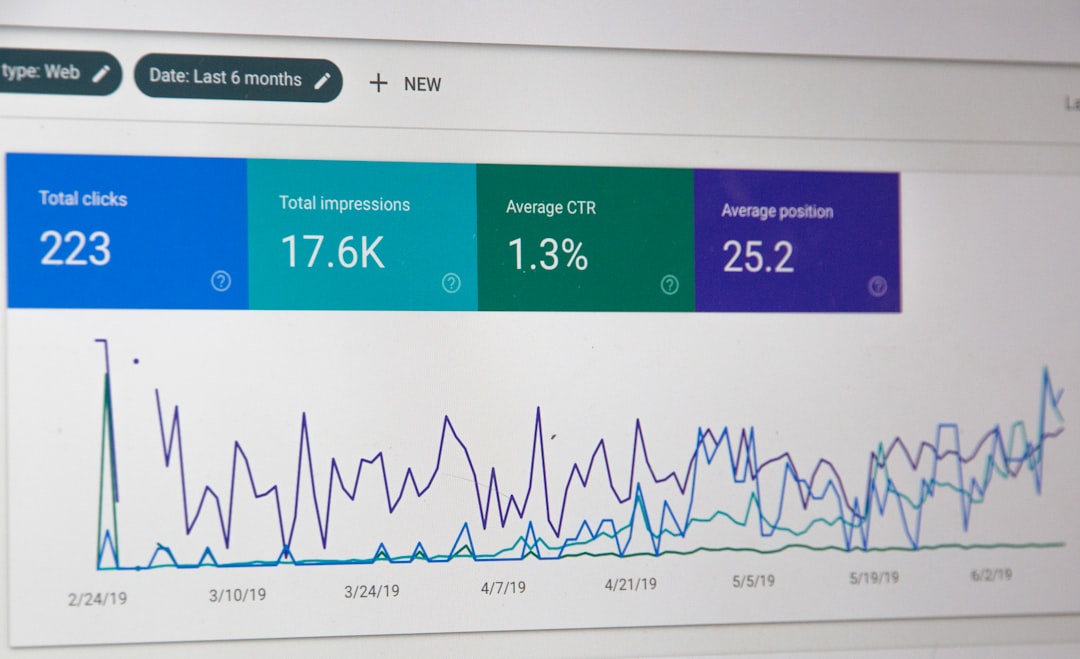
It is also important to monitor performance. Track organic traffic, engagement, conversions, rankings, and reader feedback. If faster publishing does not improve business outcomes or audience value, your process may need adjustment.
Conclusion
Blog post generator tools can be powerful assets for publishing more content, but they are most effective when used with discipline. They can accelerate ideation, outlining, drafting, optimization, editing, and repurposing. For busy teams, this can make consistent publishing far more achievable.
However, trust remains the foundation of successful blogging. Readers expect accuracy, clarity, and genuine usefulness. The strongest approach is to let tools improve efficiency while people remain responsible for insight, quality, and final judgment. When automation and editorial standards work together, blog post generator tools can help you publish more content without compromising your credibility.