



Profound is the best all-around pick if you want serious AI visibility tracking, but smaller teams may prefer Otterly.AI or Peec AI. AI answers are already changing search habits. Gartner predicts search engine volume could drop 25% by 2026 because of AI chatbots and virtual agents [source: Gartner]. So yes, tracking “who mentions us in ChatGPT?” is now a real marketing job.
TLDR: Use Profound for deep reports, Otterly.AI for simple tracking, and Semrush AI Toolkit if your team already lives in SEO tools. For example, if your brand appears in 6 out of 30 buyer prompts, your AI visibility is only 20%. If a rival appears in 18, they are eating your lunch. Fix that with better content, clearer pages, and stronger third-party mentions.
What is AI visibility analysis?
AI visibility analysis shows how often tools like ChatGPT, Perplexity, Gemini, and Claude mention your brand.
It also checks if they cite your pages. Or worse, cite your competitor instead. Fun? Not always. Useful? Very.
Think of it like SEO, but for robot answers. You are not only chasing blue links anymore. You are chasing the sentence that says, “Top options include your brand.”

1. Profound
Best for: larger brands, agencies, and teams that need board-ready reports.
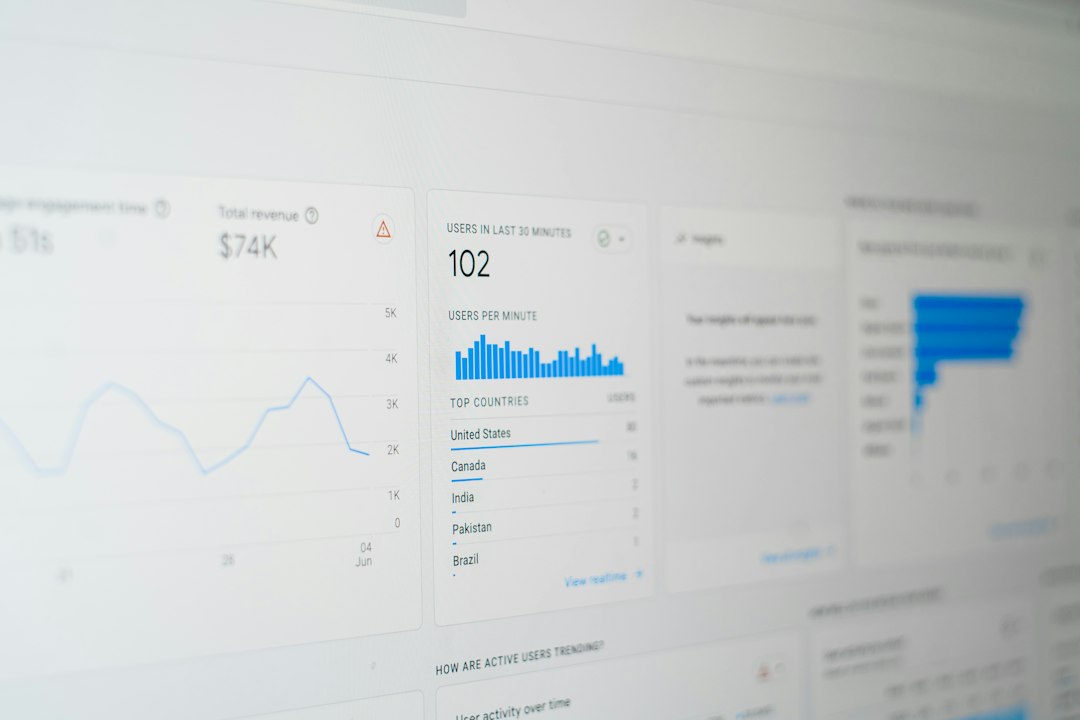
Profound tracks brand mentions across AI answer engines. It shows where your brand appears, where competitors win, and which prompts trigger citations. The reports feel polished. That matters when your boss asks, “Why is ChatGPT recommending them?”
- Pros: strong reporting, competitor views, prompt tracking.
- Cons: may feel heavy for tiny teams.
- Use it when: AI search is now part of your SEO budget.
2. Peec AI
Best for: simple brand tracking across AI platforms.
Peec AI helps you see if your brand shows up in AI answers. It also compares your share of voice with competitors. The interface is clean. You can get useful data without needing three coffees and a spreadsheet meltdown.
The catch is that prompt setup still matters a lot. Bad prompts give fluffy data. Good prompts show real buyer behavior.
- Pros: easy to use, clear dashboards, good competitor checks.
- Cons: fewer deep SEO extras than bigger suites.
- Use it when: you want quick AI mention tracking.
3. Scrunch AI
Best for: brands that want to improve how AI systems understand them.
Scrunch AI focuses on AI brand presence. It checks how your company appears in AI answers. It can also help spot weak pages, missing facts, and messy brand signals.
That last part is key. If your website says one thing, review sites say another, and news articles say a third, AI tools may get confused. Then they describe your brand like a robot reading a bad dating profile.
- Pros: strong brand signal focus, useful for fixes.
- Cons: may need time to tune.
- Use it when: AI tools describe your brand badly.
4. Otterly.AI
Best for: small teams and content marketers.
Otterly.AI is a friendly way to monitor AI search results. It tracks brand mentions, URLs, prompts, and competitor appearances. It works well if you want to start without building a giant research process.
Honestly, it feels like the “just show me the problem” option. That is a compliment.
- Pros: simple setup, clear results, good for routine checks.
- Cons: not as deep as enterprise tools.
- Use it when: you need weekly AI visibility reports.

5. Semrush AI Toolkit
Best for: SEO teams already using Semrush.
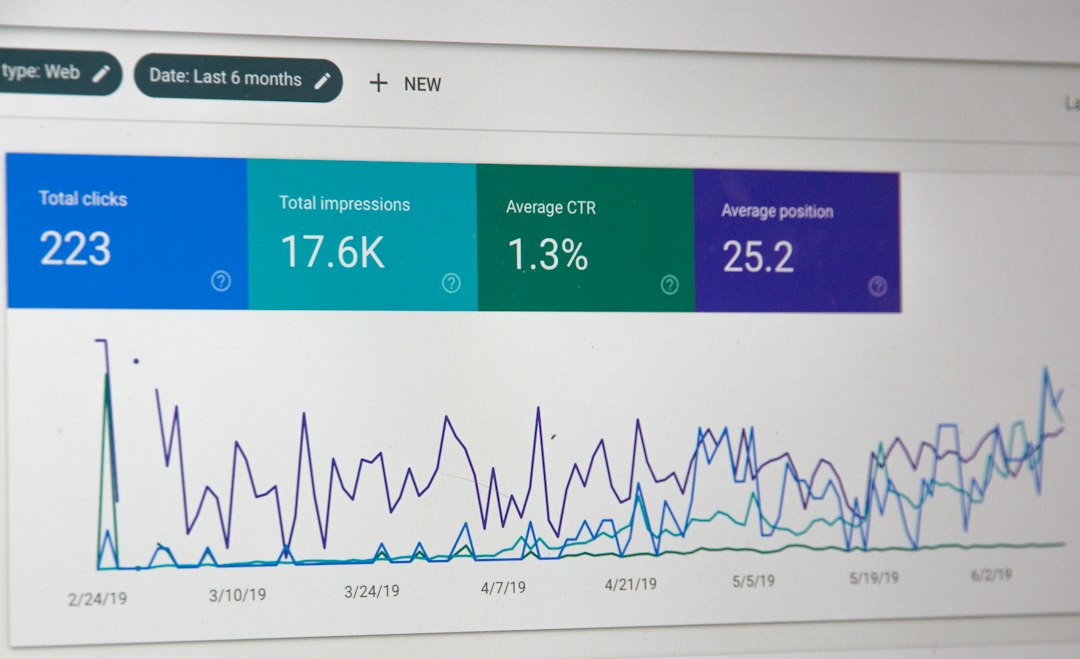
Semrush has moved into AI visibility because search is no longer only Google rankings. Its AI tools can help teams study brand presence, content gaps, and likely search behavior inside AI-style results.
The big win is workflow. If your keyword research, content audits, and rankings already sit in Semrush, adding AI visibility there saves time.
- Pros: great SEO connection, familiar reports, broad toolset.
- Cons: can feel crowded if you only need AI mentions.
- Use it when: SEO and AI visibility sit with the same team.
6. Ahrefs Brand Radar
Best for: link-aware teams and SEO pros.
Ahrefs Brand Radar helps track brand visibility across search and related discovery channels. It is useful for teams that care about mentions, content reach, and how brand demand connects to search performance.
Ahrefs is strong when you want to connect AI visibility with backlinks, content, and organic search. It drives me crazy that some AI tools ignore link strength like it does not matter. It still matters. A lot.
- Pros: strong SEO data, brand tracking, content research.
- Cons: may not be the simplest pure LLM tracker.
- Use it when: links, content, and AI mentions all matter.
7. Brandlight
Best for: AI search monitoring at brand level.
Brandlight focuses on how brands appear in AI-generated answers. It is built for teams that want to see citations, mentions, competitors, and missed chances.
This is helpful for PR teams too. AI tools often pull from trusted articles, directories, review sites, and public pages. If those sources ignore you, the AI may ignore you too. Rude, but true.
- Pros: brand-focused, made for AI search, useful for PR checks.
- Cons: pricing and fit may vary by team size.
- Use it when: you want to track reputation inside AI answers.
How to pick the right tool
- Need deep reports? Pick Profound.
- Need simple monitoring? Pick Otterly.AI.
- Need SEO plus AI data? Pick Semrush or Ahrefs.
- Need brand cleanup? Pick Scrunch AI.
- Need quick competitor checks? Try Peec AI.
Before you pay, test 20 to 50 prompts. Use real buyer questions. Track your brand, three rivals, citations, and sentiment. Then check again every week.
The goal is simple. You want AI tools to know who you are, trust your pages, and mention you when buyers ask for help. That is the new visibility game. And yes, the robots are keeping score.