


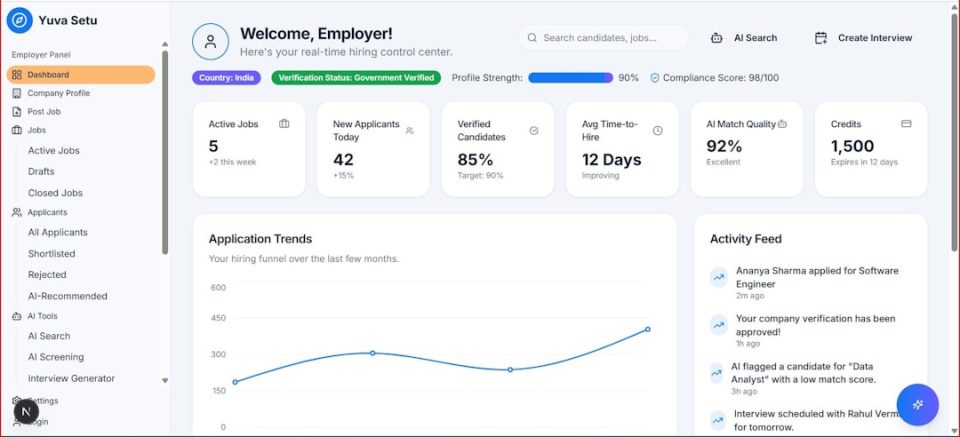
Modern web applications are becoming increasingly complex. As teams grow and products expand, managing a single monolithic frontend can turn into a bottleneck that slows innovation and collaboration. This is where micro-frontend architecture comes into play—breaking large frontend apps into smaller, independently deployable pieces that work together seamlessly.
TL;DR: Micro-frontends allow teams to split large frontend applications into smaller, independently managed parts. This improves scalability, team autonomy, and deployment flexibility. Several frameworks and tools—like Single-SPA, Module Federation, and Qiankun—make implementing micro-frontends more practical. Choosing the right one depends on your tech stack, team structure, and long-term architecture goals.
In this article, we’ll explore 7 micro-frontend frameworks and tools that help scale frontend architecture effectively—what they offer, when to use them, and why they matter.
What Are Micro-Frontends?
Micro-frontends extend the microservices philosophy to the frontend. Instead of a single, tightly coupled frontend codebase, you divide it into smaller applications—each owned by a team and focusing on a specific feature or domain.
Each micro-frontend:
- Can be developed and deployed independently
- May use different frameworks (React, Vue, Angular, etc.)
- Integrates into a larger application shell


This architecture works especially well for:
- Large enterprise applications
- Multi-team development environments
- Long-term scalable platforms
- Applications undergoing gradual framework migration
Now let’s explore the tools that make it possible.
1. Single-SPA
Single-SPA is one of the earliest and most popular micro-frontend frameworks. It allows multiple frontend frameworks to coexist within the same application.
Key Features:
- Framework-agnostic architecture
- Supports React, Angular, Vue, and more
- Router-based orchestration
- Incremental adoption
Single-SPA acts as a central orchestrator. It loads, mounts, and unmounts micro-apps depending on the route. This makes it ideal for companies modernizing legacy applications one part at a time.
Best for: Teams transitioning from monolithic SPAs to modular systems without immediately rewriting everything.
2. Webpack 5 Module Federation
Module Federation, introduced in Webpack 5, revolutionized micro-frontends by enabling dynamic code sharing between apps at runtime.
Instead of bundling everything together, Module Federation allows applications to:
- Share dependencies
- Load remote modules dynamically
- Avoid code duplication


This approach reduces bundle size duplication and improves performance while preserving team independence.
Why it stands out:
- Native Webpack support
- No need for iframe-based integration
- Efficient dependency sharing
Best for: React and Webpack-heavy ecosystems looking for high-performance modular architecture.
3. Qiankun
Qiankun is a micro-frontend framework built on top of Single-SPA, offering additional enhancements and simplifications.
Originally developed by Alibaba, Qiankun is production-tested at scale.
Main Advantages:
- JavaScript sandboxing
- Style isolation
- HTML entry access
- Improved lifecycle control
One major challenge with micro-frontends is global scope pollution. Qiankun addresses this through sandboxing, ensuring that different apps don’t interfere with each other’s global variables.
Best for: Large applications that require strict isolation between frontend modules.
4. Bit
Bit takes a slightly different approach. Instead of focusing only on application-level splitting, it enables sharing and independent deployment of UI components across projects.
Bit allows you to:
- Build independently versioned components
- Share components across teams
- Deploy components separately
This makes Bit more component-driven than route-driven compared to other solutions.
Why consider Bit?
- Encourages strong component reusability
- Works well in design systems
- Enhances collaboration between teams
Best for: Organizations emphasizing design system governance and reusable UI architecture.
5. Piral
Piral is a micro-frontend framework that focuses on modular portal applications. It introduces the concept of “pilets”—independently developed modules that plug into a central shell.
Core Concepts:
- A central app shell
- Independent modules (pilets)
- Dynamic loading
- Plugin-style architecture
Piral prioritizes developer experience and offers built-in tooling for:
- Testing
- Deployment workflows
- State sharing strategies

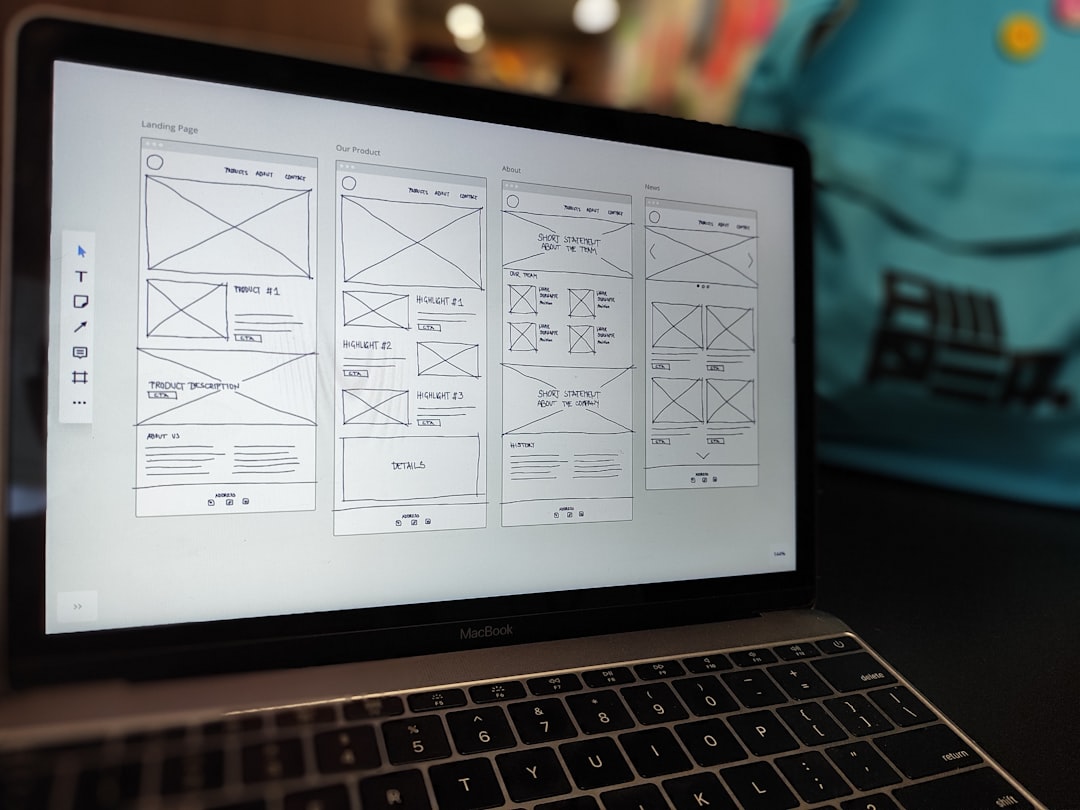
Best for: Portal-style applications with extensibility requirements, like admin dashboards or enterprise hubs.
6. Open Components
Open Components is designed for server-side micro-frontends. It allows you to render independent UI fragments on the server and compose them into a single page.
This differs from client-side orchestration tools.
Key Features:
- Server-side rendering (SSR)
- CDN-supported distribution
- Independent component publishing
Because rendering happens on the server, performance can be improved for large-scale content-heavy platforms.
Best for: E-commerce and media websites that require high-performance SSR micro-frontends.
7. Tailor
Tailor is another server-side composition solution. It allows multiple fragment services to contribute HTML that is stitched together at runtime.
How It Works:
- Defines layout templates
- Streams page fragments
- Supports progressive rendering
Tailor is particularly useful when performance and content delivery are critical. It supports streaming HTML fragments, enabling faster time-to-first-byte.
Best for: High-traffic applications requiring advanced server-side composition strategies.
How to Choose the Right Framework
Not all micro-frontend solutions are created equal. The right choice depends on several factors:
- Client-side vs Server-side: Do you need SSR support?
- Framework flexibility: Will teams use different frontend stacks?
- Integration complexity: Is shared state important?
- Team structure: How independent are your teams?
- Performance requirements: Are runtime loading and bundle sizes critical?
Quick Matching Guide:
- Single-SPA: Cross-framework orchestration
- Module Federation: Runtime code sharing
- Qiankun: Enterprise-grade isolation
- Bit: Component-driven architecture
- Piral: Plugin-style modular portals
- Open Components: Server-rendered components
- Tailor: Streaming server-side composition
Challenges of Micro-Frontends
While powerful, micro-frontends are not a silver bullet.
Common challenges include:
- Shared state management complexity
- Increased deployment coordination
- Duplicate dependencies
- Testing and debugging across boundaries
However, modern frameworks—especially Module Federation and Qiankun—have significantly reduced these pain points.
Final Thoughts
As applications grow in scope and teams expand, micro-frontend architecture offers a scalable solution for maintaining speed and autonomy. Whether through client-side orchestration like Single-SPA and Module Federation, component-focused systems like Bit, or server-side composition tools like Tailor, there’s a framework designed to fit almost any use case.
The key is not just choosing a tool—but aligning it with your organizational structure, team workflows, and long-term architectural vision.
When implemented thoughtfully, micro-frontends don’t just scale applications—they scale teams, innovation, and delivery speed.