


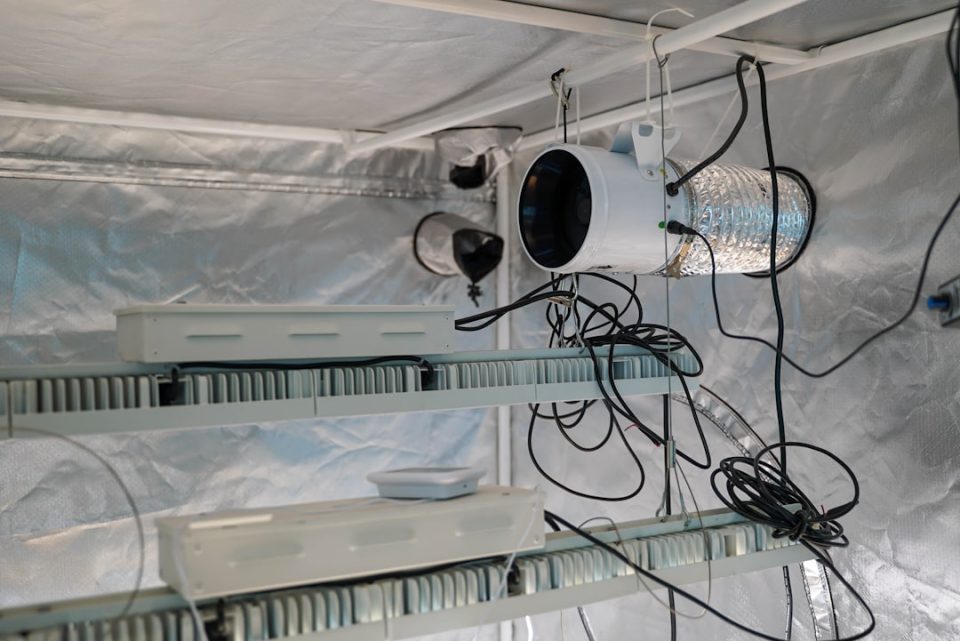
Environmental monitoring software has become a critical component of modern chemical, biological, and research laboratories. As regulatory demands tighten and quality standards evolve, laboratories must maintain precise control over temperature, humidity, air quality, differential pressure, and hazardous materials. Manual logging and fragmented systems are no longer sufficient. Today’s laboratories require integrated, auditable, and scalable solutions that not only collect environmental data but also ensure compliance, traceability, and operational resilience.
TLDR: Environmental monitoring software is essential for ensuring regulatory compliance, protecting research integrity, and automating environmental control in laboratories. This article compares seven leading tools, examining features, scalability, compliance support, and integration capabilities. While some platforms focus on pharmaceutical-grade validation, others prioritize flexibility and research adaptability. Selecting the right system depends on laboratory size, regulatory requirements, and long-term data strategy.
Below, we compare seven widely used environmental monitoring software platforms designed for chemical, biology, and research laboratories. Each tool offers strengths in specific areas such as compliance automation, IoT integration, or enterprise scalability.
Key Evaluation Criteria
Before examining the individual tools, it is important to understand the criteria used for comparison:
- Regulatory Compliance: Support for FDA 21 CFR Part 11, GMP, GLP, ISO 17025, and other standards.
- Data Integrity: Secure audit trails, electronic signatures, and tamper-proof logging.
- Real-Time Monitoring: Live dashboards and alert notifications.
- Scalability: Suitability for single labs versus multi-site enterprises.
- Integration: Compatibility with LIMS, BMS, and IoT sensor networks.
- Validation Support: Installation qualification and documentation packages.

1. Vaisala viewLinc
Best for: GMP-regulated pharmaceutical and life science laboratories.
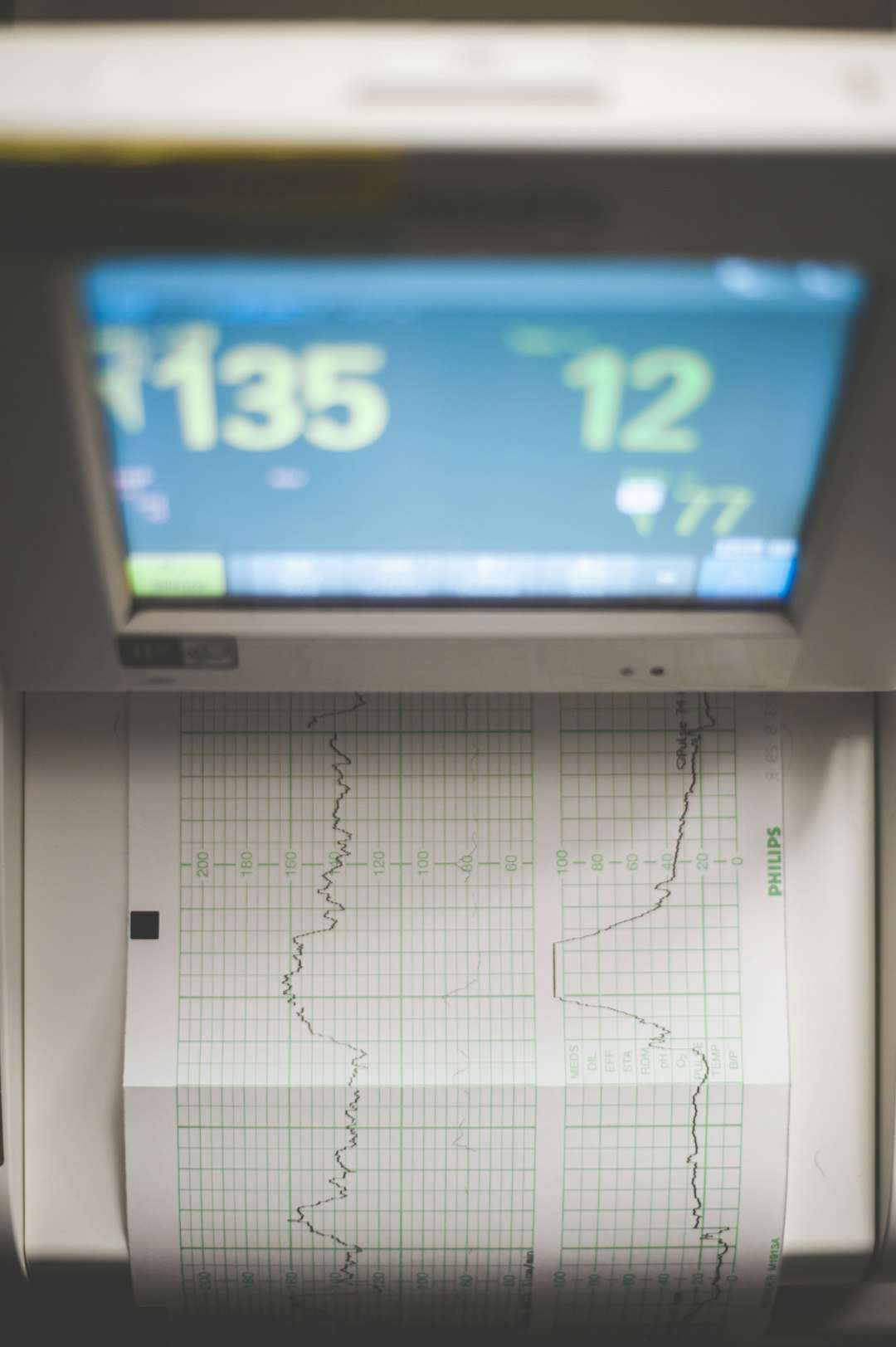
Vaisala viewLinc is widely recognized in regulated industries for its reliability and sensor accuracy. It integrates seamlessly with Vaisala’s high-precision probes, offering continuous monitoring for temperature, humidity, CO2, and differential pressure.
Strengths:
- Robust 21 CFR Part 11 compliance
- Highly accurate hardware sensors
- Automated reporting for audits
- Multi-site monitoring capabilities
Limitations: Higher cost compared to cloud-native systems; primary strength lies in pharmaceutical environments rather than academic flexibility.
2. TetraScience Environmental Monitoring
Best for: Data integration and cloud-based lab ecosystems.
TetraScience approaches environmental monitoring as part of a broader scientific data cloud strategy. Rather than focusing exclusively on sensors, it centralizes environmental data with instrument and research outputs.
Strengths:
- Cloud-native architecture
- Integration with modern LIMS and ELN systems
- Advanced analytics capabilities
- Strong API environment
Limitations: Requires IT maturity; may be excessive for smaller labs needing standalone monitoring.
3. ELPRO LIBERO Cloud
Best for: Temperature-sensitive storage and transport.
ELPRO focuses on cold chain monitoring, making it particularly relevant for biological labs handling vaccines, reagents, or biological samples. Its cloud platform supports regulated storage environments.
- Wireless sensor integration
- Audit-ready documentation
- Strong alarm management system
- Good support for distributed storage sites
It is particularly valuable for organizations managing decentralized lab networks.
4. Monnit ALTA Monitoring System
Best for: Research labs seeking flexible wireless deployment.
Monnit provides a versatile wireless sensor network suitable for temperature, humidity, air quality, motion detection, and chemical leak detection.
Strengths:
- Affordable entry point
- Rapid wireless installation
- Wide range of sensor types
Limitations: Compliance features may require additional validation documentation for regulated pharma labs.

5. DicksonOne
Best for: Healthcare and mid-sized laboratories.
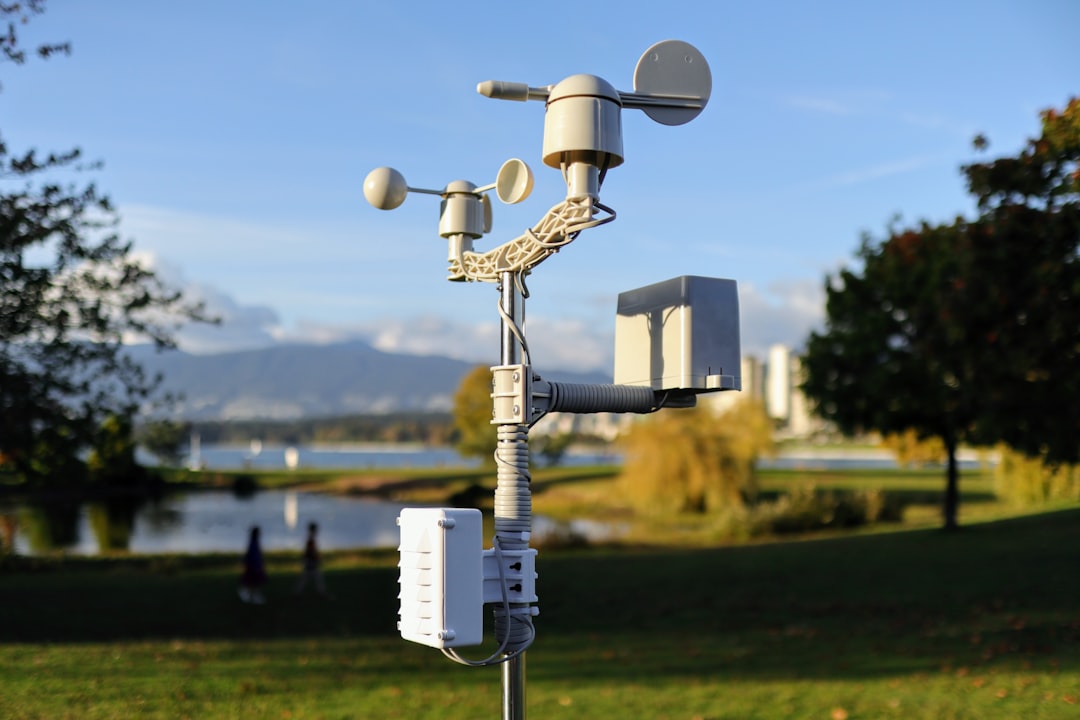
DicksonOne is a cloud-based monitoring platform with strong user-friendly reporting and long-standing industry credibility.
- Continuous temperature and humidity tracking
- Automated compliance reports
- Scalable cloud dashboard
- Email and SMS alerts
Its primary advantage lies in simplicity combined with reliable compliance documentation.
6. Sensaphone Sentinel
Best for: Facilities monitoring with broader infrastructure needs.
Sensaphone Sentinel integrates environmental monitoring with facility management functions such as power failure detection and water intrusion alerts.
- Supports multiple input types
- Remote web-based access
- Strong alarm management system
It is particularly suited to labs in universities or research campuses with complex building management systems.
7. Mesa Labs AmegaView
Best for: Validated environments requiring strict documentation control.
AmegaView by Mesa Labs emphasizes compliance and validation support for regulated laboratories.
- Automated data collection from loggers
- 21 CFR Part 11 support
- Calibration and validation documentation
It is especially useful for cleanrooms and controlled manufacturing lab environments.
Comparison Chart
| Software | Deployment | Compliance Strength | Best For | Scalability |
|---|---|---|---|---|
| Vaisala viewLinc | On premises or cloud | Very strong GMP | Pharma labs | Enterprise |
| TetraScience | Cloud native | Strong with integrations | Data driven labs | Highly scalable |
| ELPRO LIBERO | Cloud | Strong cold chain | Biological storage | Multi site |
| Monnit ALTA | Cloud wireless | Moderate | Academic research | Flexible |
| DicksonOne | Cloud | Strong healthcare | Clinical labs | Scalable |
| Sensaphone | Web based | Moderate | Facilities intensive labs | Site level |
| Mesa Labs AmegaView | On premises | Very strong validated | Cleanrooms | Enterprise regulated |
Emerging Trends in Environmental Monitoring
The environmental monitoring landscape is evolving rapidly. Modern laboratories increasingly demand:
- Predictive analytics to anticipate environmental excursions
- Remote mobile access for real-time alert management
- IoT-based wireless networks to reduce installation complexity
- Automated audit trail exports to simplify inspections
Artificial intelligence and machine learning are also being introduced to detect anomalies before they escalate into compliance risks.
Image not found in postmetaChoosing the Right Solution
Selecting an environmental monitoring platform requires careful assessment of operational risks and regulatory exposure. Laboratories working under GMP regulations should prioritize validated systems with proven audit trails and documentation packages. Research-oriented institutions may prioritize integration and flexibility over heavy compliance layers.
Consider the following checklist:
- Is the system validated for your regulatory framework?
- Does it integrate with existing laboratory systems?
- Can it scale as operations expand?
- Are alerts customizable and reliable?
- Does the vendor provide long-term support?
A structured needs assessment typically prevents costly vendor transitions later.
Conclusion
Environmental monitoring software is no longer optional for serious chemical, biological, and research laboratories. It is an operational backbone that ensures data integrity, regulatory compliance, and experimental reliability. While platforms like Vaisala and Mesa Labs dominate highly regulated pharmaceutical spaces, cloud-native providers such as TetraScience and Monnit cater to data-centric and research-focused environments.
The optimal choice depends on regulatory intensity, infrastructure complexity, and long-term scalability goals. Laboratories that align their software selection with compliance strategy and digital transformation plans will be best positioned to maintain integrity and operational excellence in an increasingly scrutinized scientific landscape.