


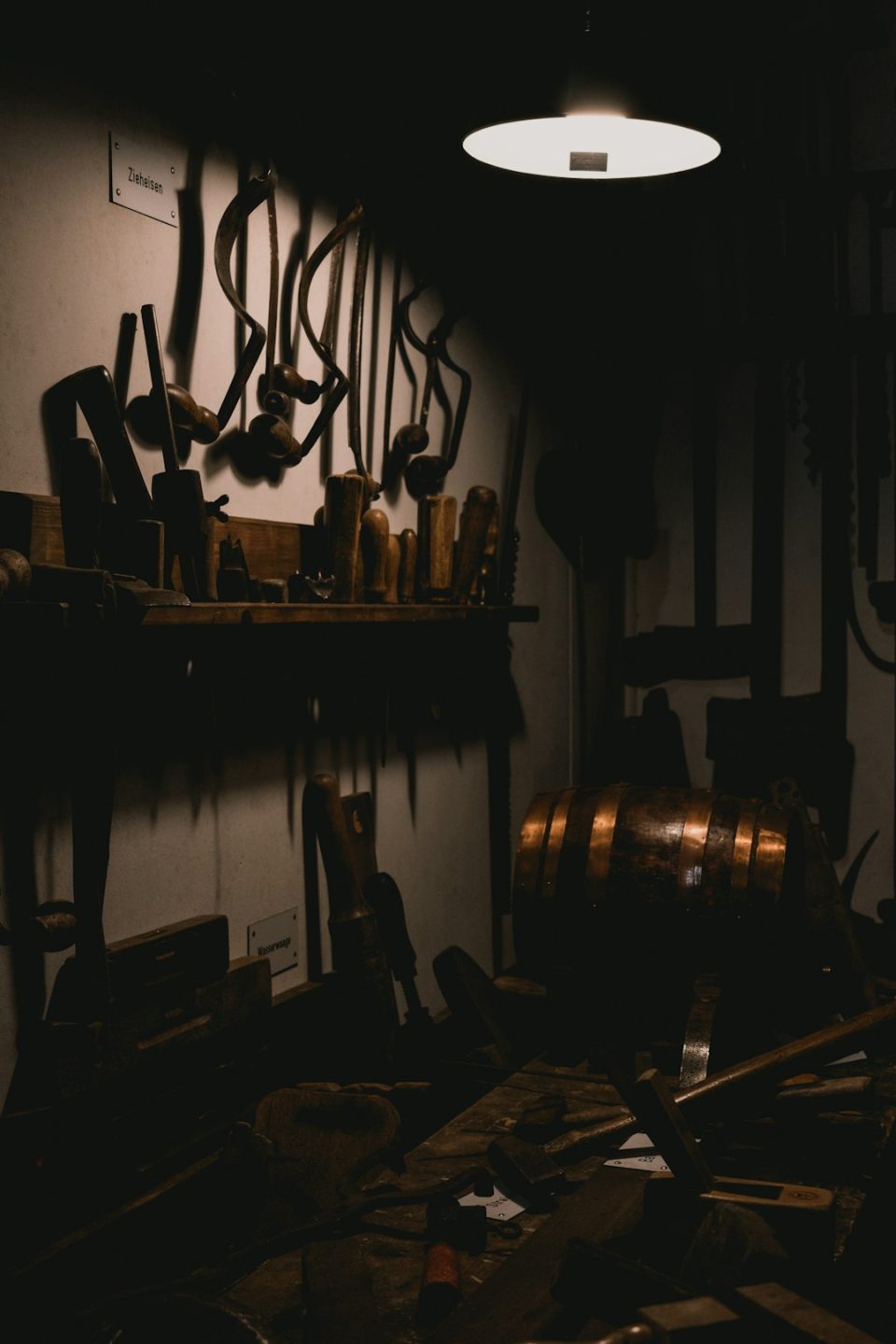
In a blacksmith workshop, every inch of steel, every ounce of coal, and every minute of labor counts. Unlike large-scale manufacturing, blacksmithing blends craftsmanship with production, which means waste often hides in plain sight: misplaced tongs, over-ordered bar stock, forgotten custom orders, or duplicated supply purchases. Fortunately, modern inventory apps are no longer reserved for corporate warehouses. Today’s tools are flexible, visual, and surprisingly intuitive—making them ideal for small and mid-sized blacksmith shops looking to reduce waste and streamline workflow.
TLDR: The right inventory app can dramatically cut material waste, prevent over-ordering, and improve workflow in a blacksmith shop. Sortly, Craftybase, and Katana stand out for their usability, material tracking, and production oversight capabilities. Each serves a slightly different type of forge—from solo artisans to larger production shops. Choosing the right one depends on the size of your operation and how detailed you need your tracking to be.
Below, we explore three powerful inventory management apps that are particularly well-suited for blacksmith workshops—and how each helps reduce waste while improving efficiency.
1. Sortly – Best for Visual Inventory Tracking
If your blacksmith workshop thrives on visual organization, Sortly may be your ideal solution. Designed with simplicity in mind, Sortly allows smiths to track tools, raw materials, hardware, and finished goods using photos, QR codes, and easy-to-build folders.

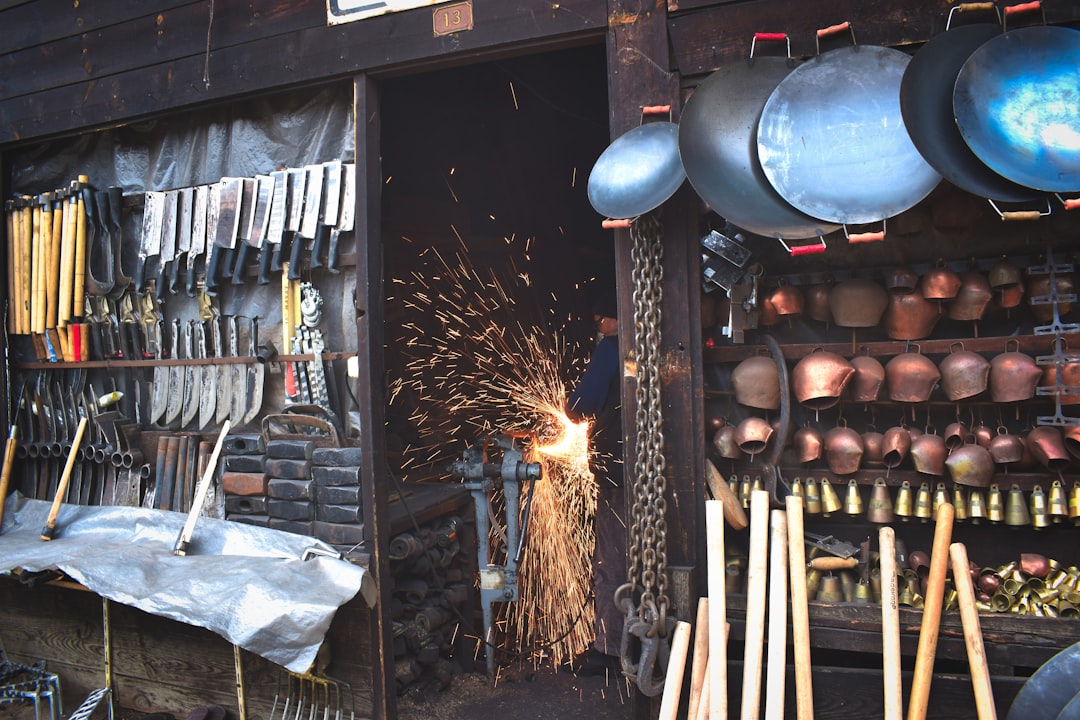
Why It Works for Blacksmiths
Blacksmith shops tend to accumulate a wide range of materials:
- Flat bar, round stock, and specialty alloys
- Handles and wood blanks
- Forging tools and consumables
- Fasteners and finishing supplies
Without a system, steel gets over-ordered “just in case,” or tools go missing in clutter. Sortly reduces this inefficiency by allowing you to:
- Upload photos of every item for quick visual identification
- Track quantities in real time
- Create low-stock alerts to prevent over-ordering
- Generate reports to see material usage trends
Imagine knowing exactly how much 5160 spring steel you have before accepting a custom blade order. That alone prevents costly delays and duplicate purchases.
Waste Reduction Benefits
Sortly primarily reduces waste through visibility. Many blacksmith shops waste money not because materials are lost—but because they’re forgotten. By having an up-to-date digital catalog, you:
- Eliminate duplicate purchases
- Prevent rust-damaged overstock sitting unused
- Reduce time wasted searching for tools
This app is especially effective for small to mid-sized workshops where visual identification speeds up workflow.
2. Craftybase – Best for Tracking Materials and Cost of Goods
For blacksmiths who sell products regularly—whether at craft fairs, online marketplaces, or wholesale—Craftybase is a powerful choice. Originally built for handmade businesses, it excels at tracking raw materials and accurately calculating cost of goods sold (COGS).
Image not found in postmetaWhy It Works for Production Smiths
Unlike simpler inventory tools, Craftybase links materials directly to finished items. For example:
- A forged chef knife deducts specific steel stock measurements
- A set of hand-forged hooks subtracts exact rod lengths
- Packaging materials are automatically included in cost calculations
This ensures that every product you create reflects:
- True material cost
- Updated labor inputs
- Accurate profit margins
Many blacksmiths unintentionally underprice their work because they underestimate consumable usage. Flux, sandpaper, propane, grinding belts—these small costs add up. Craftybase accounts for them systematically.
Workflow Improvements
Craftybase improves workflow through production planning. When inventory drops below a set threshold, the system prompts reordering. It also integrates with platforms like Etsy and Shopify, which means:
- Online sales automatically deduct inventory
- Stock levels stay synchronized
- Manual bookkeeping decreases
This automation eliminates repetitive record-keeping and reduces end-of-month accounting headaches.
Waste Reduction Benefits
Because it tracks exact quantities used in each product, Craftybase helps prevent:
- Overproduction of slow-moving items
- Material misuse due to poor estimation
- Revenue loss from incorrect pricing
For blacksmiths transitioning from hobbyist to serious business owner, this level of cost control can be transformative.
3. Katana – Best for Full Workshop Production Oversight
If your forge operates close to a small-scale manufacturing shop—with multiple workers, equipment scheduling, and batch production—Katana offers enterprise-level control without overwhelming complexity.


Why It Stands Out
Katana is designed for production environments where materials move through structured workflows. It offers:
- Real-time material requirement planning (MRP)
- Production scheduling
- Batch tracking
- Live shop floor updates
For example, if you’re producing 100 forged brackets for a contractor, Katana ensures:
- Raw steel stock is allocated before production begins
- Deadlines are scheduled logically
- Team members know exactly what stage each batch is in
This prevents the chaos that often arises when orders overlap or materials are pulled for multiple jobs simultaneously.
Waste Reduction Benefits
Katana reduces waste primarily through structured planning. It prevents:
- Starting jobs without sufficient materials
- Excess production beyond demand
- Idle labor hours due to poor scheduling
While it may be more robust than a solo smith needs, for growing blacksmithing operations with employees, it can significantly tighten workflow and boost profitability.
Comparison Chart
| Feature | Sortly | Craftybase | Katana |
|---|---|---|---|
| Best For | Small workshops needing visual tracking | Handmade sellers and production smiths | Scaling workshops with teams |
| Material Tracking | Basic quantity tracking | Detailed usage per product | Advanced real-time allocation |
| Cost of Goods Calculation | Limited | Comprehensive | Moderate |
| Production Scheduling | No | Basic | Advanced |
| Ease of Use | Very easy | Moderate | Moderate to advanced |
| Waste Reduction Focus | Prevents duplicate purchases | Prevents mispricing and overproduction | Prevents scheduling and allocation errors |
How to Choose the Right App for Your Forge
Every blacksmith shop is different. Consider these questions before deciding:
- How large is my operation?
A solo artisan likely benefits most from Sortly or Craftybase. - Do I sell products regularly?
If yes, accurate cost tracking is essential—lean toward Craftybase. - Do I have employees or batch production?
Katana offers stronger production controls. - Is over-ordering a recurring problem?
Visual stock apps like Sortly provide immediate transparency.
You can even combine systems—for example, using Sortly for tool tracking and Craftybase for product costing.
Final Thoughts
Blacksmithing has always been about efficiency. Traditional smiths wasted nothing—scrap pieces were reforged, slag was minimized, and tools were maintained carefully. Modern inventory apps simply extend that philosophy into the digital age.
By using inventory management software, blacksmith workshops can:
- Reduce unused stock sitting idle
- Improve order turnaround times
- Increase profit margins through accurate costing
- Streamline daily workflow
In a trade where margins can be tight and material costs volatile, smarter inventory control isn’t just convenient—it’s strategic. Whether you’re forging custom knives in a backyard shop or managing a growing metal fabrication studio, the right inventory app can transform clutter into clarity.
Ultimately, the forge fires may shape the steel, but smart systems shape the business behind it.