


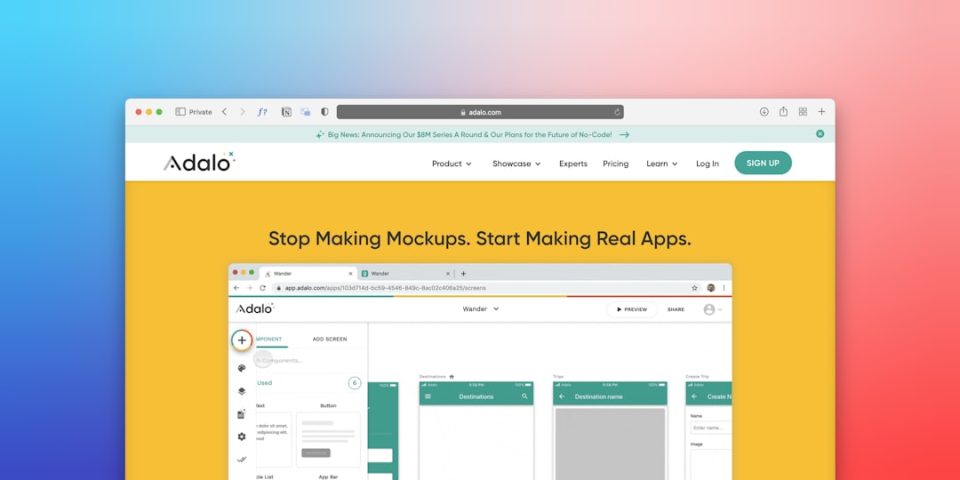
Building a professional website no longer requires coding expertise or a big budget. In 2026, drag-and-drop website builders have become smarter, faster, and more design-focused than ever before. Whether you’re launching a personal blog, an online store, or a portfolio, these platforms make it possible to design visually stunning websites with minimal technical effort.
TLDR: Drag-and-drop website builders in 2026 offer powerful AI tools, responsive design features, and robust ecommerce capabilities without requiring coding skills. Platforms like Wix, Squarespace, Shopify, and Webflow lead the market with flexibility and advanced customization. Budget-friendly options such as Hostinger and Zyro remain strong contenders for beginners. Choosing the right builder depends on your goals, technical comfort level, and scalability needs.
Below, we explore the 13 best drag-and-drop website builders in 2026, comparing their strengths, ideal use cases, and what makes each stand out in a competitive landscape.
Comparison Chart
| Website Builder | Best For | Ease of Use | Ecommerce | Free Plan |
|---|---|---|---|---|
| Wix | All-around flexibility | Very Easy | Strong | Yes |
| Squarespace | Design-focused sites | Easy | Strong | No |
| Shopify | Online stores | Moderate | Excellent | No |
| Webflow | Advanced design control | Moderate | Strong | Yes |
| Weebly | Small businesses | Very Easy | Good | Yes |
| Hostinger | Budget users | Easy | Good | No |
| GoDaddy | Quick setup | Very Easy | Moderate | No |
| Shoplazza | Global ecommerce | Moderate | Excellent | No |
| BigCommerce | Enterprise ecommerce | Moderate | Excellent | No |
| Jimdo | Simple websites | Very Easy | Basic | Yes |
| Pixpa | Creative portfolios | Easy | Good | No |
| Duda | Agencies | Moderate | Strong | No |
| Strikingly | One-page websites | Very Easy | Basic | Yes |
1. Wix
Wix remains a dominant force in 2026 thanks to its intuitive editor and powerful AI tools. Its drag-and-drop freedom lets users place elements anywhere on the canvas, making it ideal for creative flexibility.
- Over 900 customizable templates
- Advanced AI design assistant
- Strong ecommerce features
- Large app marketplace
Wix is best for users who want maximum creative control without touching code.

2. Squarespace
Known for sleek, designer-quality templates, Squarespace is perfect for portfolios, blogs, and small businesses. Its section-based editor balances flexibility with structure, preventing design mistakes.
Standout feature: Stunning typography and layout presets that require minimal tweaking.
3. Shopify
If ecommerce is your main focus, Shopify is still one of the strongest contenders. While it’s less “free-form” than Wix, its drag-and-drop theme sections make customizing storefronts straightforward.
- Advanced inventory tools
- Global payment integrations
- Scalable for large stores
Shopify is ideal for entrepreneurs serious about selling online.
4. Webflow
Webflow bridges the gap between drag-and-drop builders and professional web development. It offers pixel-level precision while generating clean code in the background.
Best for designers who want full visual control without manually writing HTML or CSS.


5. Weebly
Now part of the Square ecosystem, Weebly is a beginner-friendly builder tailored to small businesses. Its interface is straightforward, though somewhat less flexible than competitors.
It shines in simplicity and dependable ecommerce essentials.
6. Hostinger Website Builder
Hostinger continues to provide one of the most affordable solutions in 2026. With integrated AI writing tools and logo generators, it simplifies the launching process.
- Budget-friendly pricing
- AI content tools
- Fast setup
This builder works well for startups and side projects.
7. GoDaddy Website Builder
Focused on speed and convenience, GoDaddy’s platform can take you from idea to live website in under an hour. Its AI-powered setup asks a few questions and auto-generates a personalized design.
While customization is somewhat limited, it’s perfect for users who prioritize efficiency.
8. Shoplazza
Shoplazza has gained popularity for cross-border ecommerce. It offers multilingual capabilities and multi-currency support, catering to global sellers.
Key strength: Easy theme customization combined with powerful ecommerce tools.
9. BigCommerce
BigCommerce offers enterprise-level ecommerce functionality with drag-and-drop page builders integrated into its themes.
- Advanced SEO features
- No transaction fees
- Scalability for large inventory
It’s ideal for businesses expecting rapid growth.
10. Jimdo
Jimdo is built for simplicity. Its AI-driven Dolphin editor creates websites automatically based on user answers.
This builder sacrifices deep customization for convenience, making it suitable for freelancers or personal websites.
11. Pixpa
Designed for creatives, Pixpa offers tools tailored to photographers, artists, and designers. It includes client galleries, booking systems, and integrated ecommerce.
The platform is especially useful for showcasing visuals in an elegant format.

12. Duda
Duda is a favorite among agencies managing multiple client websites. Its collaborative features and white-label tools are standout advantages.
- Team collaboration tools
- Client management features
- Highly responsive templates
It’s best for professionals building sites at scale.
13. Strikingly
Strikingly specializes in one-page websites, making it ideal for landing pages and personal branding.
Simple, fast, and beginner-friendly, this platform keeps things minimal while still offering ecommerce functionality for small product catalogs.
How to Choose the Right Builder in 2026
With so many options available, selecting the right platform depends on your objectives. Consider these factors:
- Purpose: Blog, business site, portfolio, or ecommerce store?
- Scalability: Will you need advanced tools later?
- Design Flexibility: Free movement vs structured layouts?
- Budget: Monthly subscription costs and transaction fees.
- AI Tools: Content generation, design assistance, SEO support.
Many builders now integrate artificial intelligence to automate layouts, write content, and optimize performance. This shift reflects a broader trend in 2026: smarter tools that reduce manual effort while maintaining creative control.
Final Thoughts
Drag-and-drop website builders have evolved into comprehensive digital platforms capable of powering everything from simple blogs to global ecommerce brands. While Wix and Squarespace dominate in design flexibility, Shopify and BigCommerce excel in online selling. Meanwhile, platforms like Hostinger and Jimdo make website creation more accessible than ever.
Ultimately, the “best” builder depends on your specific needs. If creative freedom is your priority, choose a highly flexible editor. If speed and simplicity matter most, lean toward AI-assisted platforms. And if online sales are your main objective, prioritize robust ecommerce ecosystems.
In 2026, building a website is no longer a technical challenge—it’s a creative opportunity. With the right drag-and-drop tool, anyone can bring their vision to life.