
The best Leadpages alternative is the category that matches your bottleneck: page creation, testing, lead capture, sales funnels, or conversion research. Leadpages is useful for quick landing pages, but many teams outgrow it when they need deeper testing, tighter CRM data, cleaner design control, or checkout features.
TLDR: If you mainly need landing pages, consider tools such as Unbounce, Instapage, or Landingi. If lead management matters more, a CRM-based option such as HubSpot, ActiveCampaign, or Brevo may save hours each week. For example, a small SaaS team running 12 ad campaigns could cut setup time by 30% by using reusable page sections and built-in CRM tagging. If your current page converts at 3%, even a lift to 3.6% means 20% more leads from the same traffic.
Why teams look for Leadpages alternatives
Leadpages is often chosen because it is simple. That is also where the limits start. Some teams need more control over page speed, analytics, form routing, brand design, or test reporting. Others want the landing page to sit inside a bigger sales system.
The catch is that many landing page tools look similar until you use them under pressure. A preview that takes eight seconds longer than expected feels minor on Monday. By Friday, after 40 edits and three stakeholder reviews, it is irritating. The right alternative should reduce that friction, not add another layer of work.

1. Dedicated landing page builders
Best for: paid ads, campaign pages, fast publishing, and basic A/B testing.
Dedicated landing page builders are the closest direct replacements for Leadpages. Examples include Unbounce, Instapage, and Landingi. They focus on page production, templates, mobile layouts, forms, popups, and campaign tracking.
These tools are strong when marketing teams need to produce many pages without waiting for developers. They usually offer drag-and-drop editors, reusable blocks, integrations with ad platforms, and simple split tests. Instapage is often favored by teams with larger ad budgets because of its collaboration and personalization features. Unbounce is known for landing page testing and smart traffic routing. Landingi can be a practical option for agencies managing many client pages.
- Choose this type if: landing pages are your main need.
- Watch out for: limits on traffic, domains, integrations, and advanced reporting.
- Best metric to track: conversion rate by traffic source.
2. CRM and email marketing platforms with landing pages
Best for: lead generation, nurture campaigns, and sales handoff.
If your main problem is not page design but lead follow-up, a CRM-based alternative can be the better choice. Tools such as HubSpot, ActiveCampaign, Brevo, and Mailchimp include landing pages, forms, email automation, segmentation, and contact records.
This matters because a landing page is only the start. A form fill is not revenue. You still need to score the lead, send the right email, notify sales, and track what happens next. A CRM-first platform keeps that data in one place.
Honestly, it feels like unnecessary work when a team exports CSV files from a landing page tool, cleans them manually, and then imports them into an email system. That process creates errors. It also delays follow-up, which can reduce lead quality.
- Choose this type if: speed of follow-up affects sales.
- Watch out for: weaker page design tools compared with specialist builders.
- Best metric to track: lead-to-opportunity conversion rate.
3. Website builders with landing page features
Best for: brand control, SEO pages, portfolios, and small business sites.
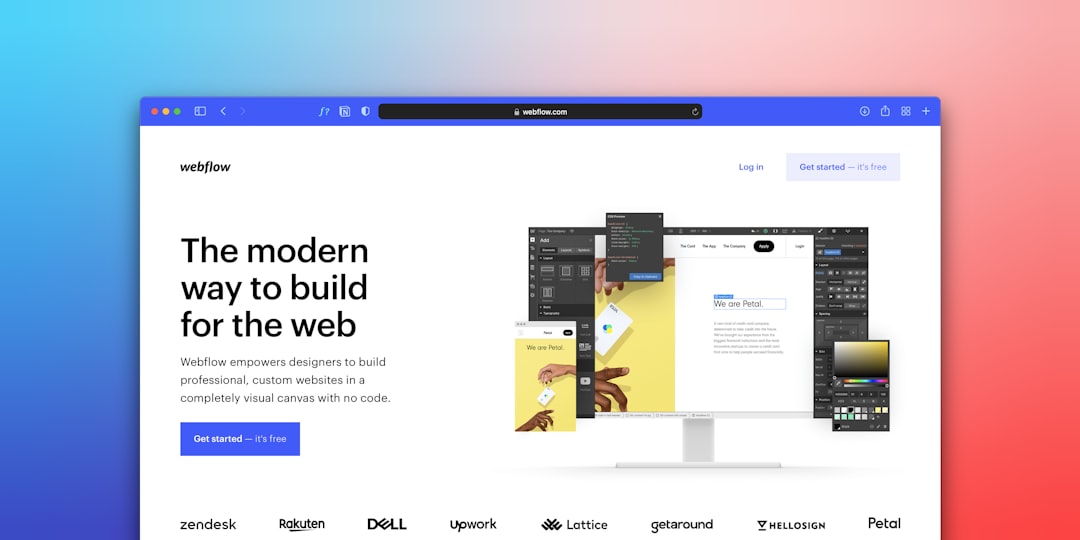
Some teams do not need a separate landing page system at all. They need a better website platform that can also publish campaign pages. Webflow, Wix, Squarespace, and similar builders can be strong Leadpages alternatives for design-led teams.
These platforms often give more visual control than pure landing page tools. Webflow, for example, is useful when designers want precise layouts, clean interactions, and CMS-driven pages. Wix and Squarespace can suit small businesses that want one place for pages, blog content, forms, and basic commerce.
The tradeoff is testing. Built-in A/B testing may be limited or absent. You may need outside tools for experiments, heatmaps, or advanced analytics. That can be fine if organic traffic and brand presentation matter more than rapid paid-ad testing.
- Choose this type if: your landing pages must match a polished website.
- Watch out for: extra setup for testing and lead routing.
- Best metric to track: page engagement and form completion rate.
4. Funnel and checkout platforms
Best for: digital products, coaching, webinars, upsells, and direct sales.
Leadpages can capture leads, but it is not always the best fit for full sales funnels. If you sell courses, memberships, paid workshops, or digital products, consider funnel tools such as ClickFunnels, Kajabi, Kartra, or Systeme.io.
These tools combine landing pages with checkout pages, order bumps, upsells, email sequences, affiliate tools, and member access. That makes them useful when the goal is not just collecting an email address, but moving a visitor from ad click to purchase.
They can be heavier than needed for simple lead capture. Expect more settings, more templates, and more decisions. For a newsletter signup, that may be overkill. For a $497 course launch, it may be exactly the right structure.
- Choose this type if: the page must connect directly to revenue.
- Watch out for: cluttered builders and higher monthly costs.
- Best metric to track: revenue per visitor.
5. A/B testing and conversion optimization platforms
Best for: serious experiments, research, personalization, and higher traffic sites.
If your current landing pages already get steady traffic, the better alternative may not be another page builder. It may be a testing platform. Tools such as VWO, Optimizely, Convert, AB Tasty, Hotjar, and Crazy Egg help teams study visitor behavior and run controlled experiments.
These platforms are built for evidence. They can support split tests, multivariate tests, heatmaps, session recordings, surveys, and personalization. This is useful when opinions are slowing down decisions. Instead of debating button color for a week, you test a stronger offer, a shorter form, or a different headline.
A practical rule: do not pay for advanced testing until you have enough traffic. If a page gets only 300 visits per month, test results may take too long to trust. Start with message clarity, faster load times, and better offer alignment first.

How to choose the right Leadpages alternative
Start with the job, not the brand name. Most bad software choices happen because teams buy features they do not use.
- For fast campaign pages: choose a dedicated landing page builder.
- For lead follow-up: choose a CRM or email platform with landing pages.
- For design control: choose a website builder with strong visual editing.
- For selling products: choose a funnel and checkout platform.
- For better conversion rates: choose a testing and research platform.
Check five areas before you commit: page speed, mobile editing, integrations, analytics, and ownership of data. Also review pricing by traffic and contacts, not just the headline monthly fee. A tool that looks cheap at 5,000 visits may become expensive at 50,000.
The most reliable Leadpages alternative is the one that removes the weakest step in your conversion process. For one team, that is better page design. For another, it is faster lead routing. For a third, it is proper A/B testing. Pick based on the constraint, measure the result, and switch only when the numbers support it.